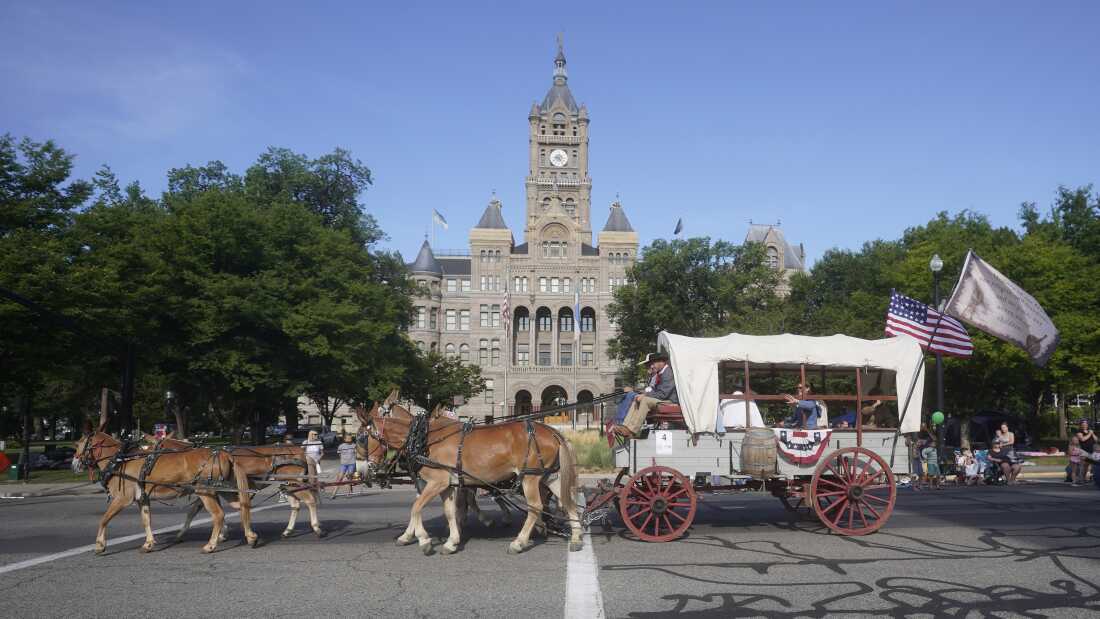
Pioneer Day is a unique holiday in Utah, celebrated every July 24 with parades, rodeos, fireworks, and more. This event marks the 1847 arrival of pioneers in the Salt Lake Valley, which led to the founding of Utah and offered a homeland to members of The Church of Jesus Christ of Latter-day Saints, known as Mormons.
In Provo, this day is marked with festivities such as line dancing and musical performances. However, beneath the celebrations lies a history that’s often untold.
“Their blood’s in this ground, and their spirit’s still around here,” said Perry Murdock, a tribal council member.
A Turning Point in History
The celebration of Pioneer Day does not always address the darker part of history involving Native American displacement. In 1850, the Provo River massacre highlighted this. Members of the Timpanogos Nation have sought recognition of this tragic event.
A murder over a stolen shirt escalated tensions between settlers and Native people. Historian D. Robert Carter explains that after the settlers killed the Native man accused of theft, hostility increased. When crops were stolen and livestock killed, the pioneers sought guidance from their prophet and governor, Brigham Young, who ordered the militia to “exterminate” any Timpanogos who did not surrender.
At least 40 Native individuals were killed by the militia, although the Timpanogos claim the numbers might be higher.
Seeking Recognition and Reconciliation
Timpanogos Nation chief, Mary Murdock Meyer, states the extermination order’s legacy still affects her people. She calls for an apology and rescindment from the LDS Church or the Utah governor to ease tensions and foster peace.
“Maybe have some faith in this state. Maybe children not growing up in fear anymore,” Meyer expressed.
Parallels are drawn between the Timpanogos order and 1838’s Missouri order against Mormons, highlighted by Perry Murdock.
While Utah’s political and religious leaders have yet to respond publicly, there’s movement. Utah House Minority Leader Angela Romero plans to initiate discussions surrounding rescindment and apology. Provo Mayor Marsha Judkins opened the celebrations with a nod to the past, acknowledging the complex histories shaping Provo and Utah Valley.
At the celebration, Sam Andersen, a recent Brigham Young University graduate, learned about the extermination order for the first time. He appreciates a balanced approach to history, one that celebrates achievements but also acknowledges past wrongdoings.
Andersen hopes Utah can improve by rescinding the order and learning from history.
 Converse Apologizes and Withdraws Controversial Ad Amid Criticism
  Lucas Museum of Narrative Art Unveils in Los Angeles
 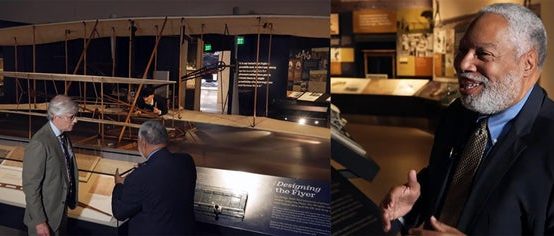 Lonnie G. Bunch III Reflects on His Legacy at the Smithsonian
  A Decade of Impact at the National Museum of African American History and Culture
 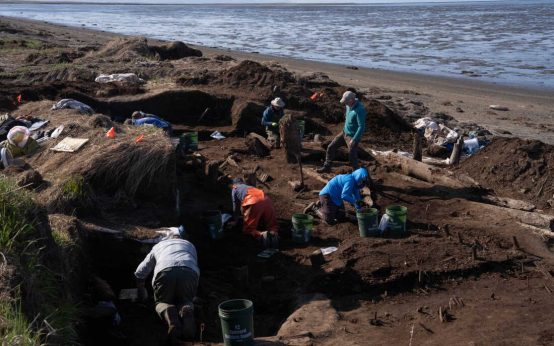 Urgent Archaeological Efforts in Quinhagak Stay Ahead of Erosion
 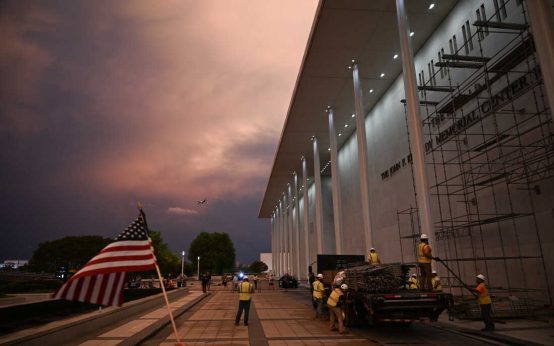 Kennedy Center Faces Potential Bankruptcy and Closure Amid Controversies