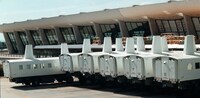
Washington Dulles International Airport, once at the forefront of airport design with its unique tram system, is undergoing a significant transformation. President Donald Trump recently announced an extensive revamp of the Northern Virginia airport, incorporating design elements like large glass windows and gold accents, according to reports by Dan Diamond and Liam Scott. This multi-billion-dollar project might signal the end for the mobile lounges, often criticized as inconvenient people movers, which serve the Main Terminal and several Concourses.
A Nostalgic Farewell
The potential phase-out of these retro conveyances evokes mixed emotions. Some travelers might feel nostalgic, while others are eager for modern solutions. These mobile lounges, officially known as “plane mates” for their ability to connect directly to aircraft, leave behind a legacy of confusion and affection, as evidenced by travelers’ remarks.
I feel guilty. I’ve complained about them every single time I’ve boarded one. But I also feel a sort of maternal instinct toward them.
Despite complaints, the unique design intended by architect Eero Saarinen was meant to be futuristic. Some remember their first encounter with these shuttles akin to stepping into a science fiction universe. Without the mobile lounges, passengers can anticipate changes toward more streamlined transit within the airport.
Desire for Modern Solutions
Expectations run high for what will replace the mobile lounges. Travelers express a strong desire for a user-friendly, interconnected system like trains, which provide easy access across terminals. A seamless experience is highly valued.
Airports like Minneapolis and Reagan National Airport are praised for their effective terminal access. Many hope Dulles adopts similar systems that enhance convenience. Upgrades totaling $22 billion promise renovations that should ideally meet modern traveler expectations, such as more walking paths and efficient transport options.
Design Challenges and Opportunities
Although the exact renovation plans remain under wraps, some features like “high, gold-mirrored ceilings” sparked interest. Passengers generally favor simpler aesthetics focused on natural light and ample facilities like seating and power outlets.
The mobile lounges’ removal presents opportunities for repurposing. Suggestions include transforming them into creative spaces like airport bars or areas for relaxation and entertainment. Ensuring an intuitive flow in the airport’s layout will be crucial for passenger satisfaction.
Ultimately, Dulles International, celebrated for its architectural history, aims to balance form and function in its upcoming renovation. Whether travelers mourn or celebrate the departure of the mobile lounges, the airport’s focus is clear: delivering an efficient and pleasant travel experience.
 Historic Church Transformed Into Los Angeles Boutique Hotel
  Luggage Etiquette on Cruise Ship Elevators Sparks Debate
  Heightened Travel Advisory: Stay Cautious in Italy
  Ohio State Visits Texas: Saturday Activities and Match Preview
  Rising White Shark Presence Boosts Cape Cod Tourism
  Delta Flight Makes Emergency Landing After Pilot Falls Ill