
Healthcare in Virginia’s rural areas faces significant challenges. Access to necessary services has steadily declined, causing concern among residents. Political factors are pivotal in this issue, but there are broader elements at play.
Rural communities often struggle with fewer healthcare facilities. This results from a range of issues, including economic disadvantages and logistical complexities. These areas frequently experience shortages of medical professionals, making it difficult for residents to receive timely care.
The political climate, particularly at the federal level, impacts healthcare policies and funding. Changes in healthcare legislation and financial allocations can exacerbate the situation in rural Virginia. Policies that do not prioritize rural needs further hinder access to essential services.
Efforts to address these issues require collaboration between government entities and healthcare organizations. Innovative solutions, such as telemedicine, offer potential improvements. However, they require robust infrastructure and long-term strategies to be effective.
Efforts to address the shortage of medical professionals are crucial.
In summary, the decline of accessible healthcare in rural Virginia is a multifaceted issue influenced by political decisions. Comprehensive strategies considering economic and logistical factors are necessary to improve the situation.
 Federal Relief Funds Used for Anti-Racism Training in Albuquerque Schools
 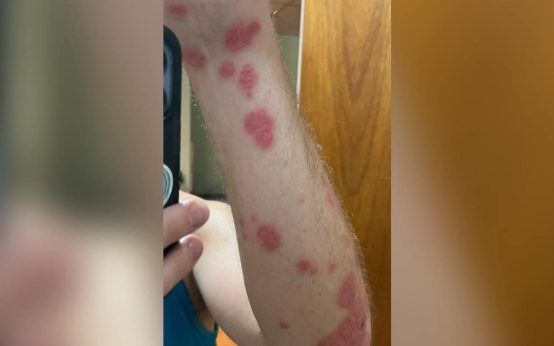 Florida Man Claims ‘Lion Diet’ Transformed Health and Life
  Concerns Over Food Safety and Its Impact on Families
  A Mother’s Tragic Journey Under Abortion Ban
  Medical Diagnosis Errors: Understanding the Crisis
  Lymphatic Drainage and Ice Sculpting: Emerging Wellness Trends