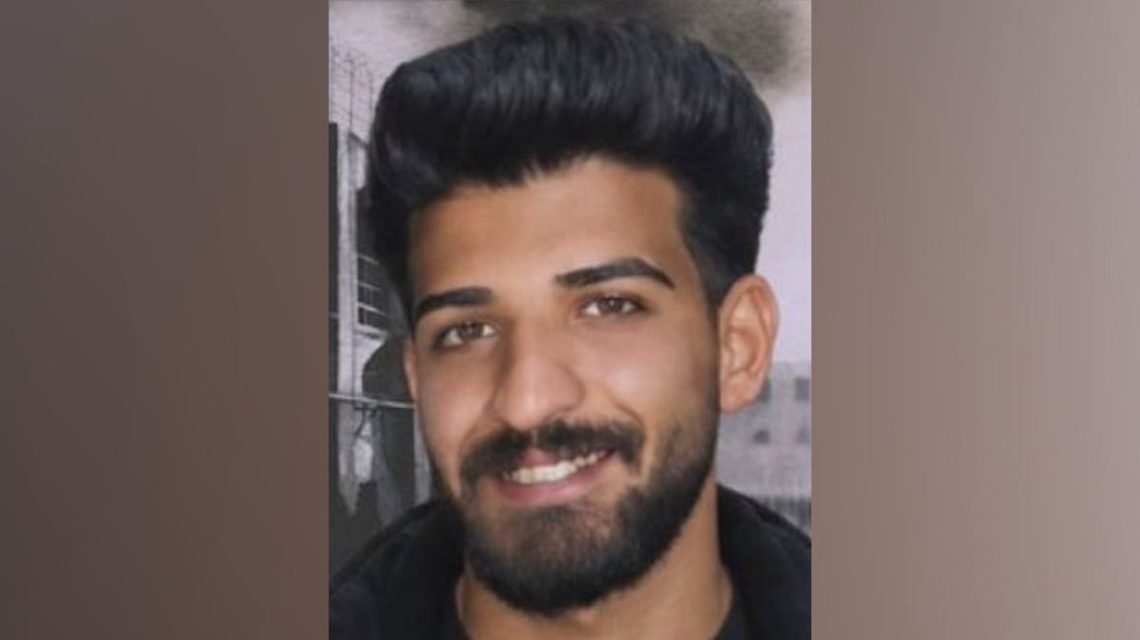
Iran executed two young men on Tuesday for their alleged involvement in anti-government protests that occurred in January. The executions took place in Isfahan’s Shahid Alikhani Square. Before the hangings, onlookers chanted “Dishonorable, dishonorable!” and security forces eventually used tear gas to disperse the crowd, according to the National Council of Resistance of Iran (NCRI), an exiled opposition group.
Involvement and Allegations
The executed individuals, identified as Abolfazl Sepahi Badjani and Amirhossein Safari Hosseinabadi, were accused by authorities of being linked to offenses during the January 8 protests. Iranian state media reported that the hangings were conducted in public, with witnesses present in Alikhani Square.
Security and Response
NCRI reported that security personnel were stationed on rooftops and surrounding streets to manage the crowd. NCRI President-elect Maryam Rajavi stated that the regime’s forces were deployed due to concern over potential public backlash.
Judiciary’s Claims
Iran’s judiciary claimed both individuals participated in the killing of four State Security Force members during the protests. They faced charges of “enmity against God,” or moharebeh, and “corruption on Earth,” including destruction and arson of public property. Authorities also accused them of possessing weapons and using Molotov cocktails.
According to the judiciary, the legal process included police reports, cellphone evidence, witness testimony, confessions, and crime scene reconstructions. However, the NCRI alleged that the defendants could not choose their own lawyers, and even court-appointed attorneys had restricted access to case files.
Executions and Condemnations
The recent executions are part of what has been referred to as the Alikhani Square case, where twelve protesters have been sentenced to death. Two other individuals, Erfan Esfandiari and Gol Mohammad Mohammadi, were executed earlier in July, bringing the total executions in this case to four.
Human Rights Watch reported that at least 50 people have been executed over the past four months on charges it described as vague and related to national security. Mahmood Amiry-Moghaddam, Director of Iran Human Rights, criticized the public hangings, describing them as an attempt to instill fear and prevent further protests.
Background of Protests
Protests in Iran started in late December, driven by a deepening economic crisis, and have grown into one of the largest movements challenging the government in the Islamic Republic’s history. Reports from U.N. experts highlighted that the young men, mostly in their late teens and early 20s, were deprived of their liberty, subjected to enforced disappearance, and accused without a fair trial.
 Investigation into Lion Deaths in Tanzania
  Merz Stays Resolute Amid Electoral Shifts in Germany
  U.S.-Iran Relations and Diplomacy at Upcoming U.N. Assembly
  US-China Relations Under Scrutiny: Expert Warns of Escalating Tensions
  Extradition of Suspects in Haitian President’s Assassination
  No Timeline for End of Iran Conflict