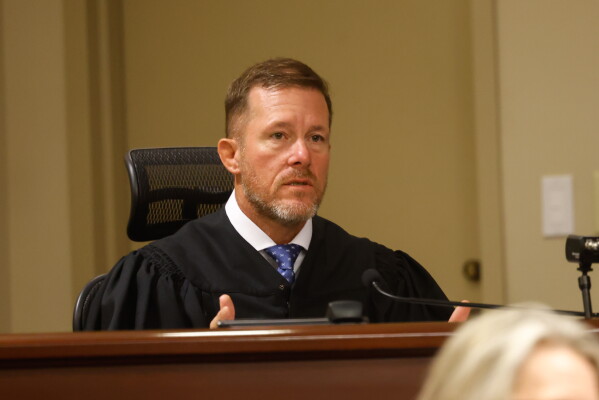
A Georgia judge sentenced Colt Gray, 16, to life imprisonment without parole for killing two students and two teachers during a shooting at Apalachee High School. The sentencing occurred on Tuesday, following Gray’s guilty plea to 55 counts, including murder.
Judicial Remarks
Barrow County Superior Court Judge Nicholas Primm described Gray’s actions as “deliberate, contemplated evil.” The judge emphasized that Gray showed no remorse and took pride in mirroring notorious murderers.
District Attorney Brad Smith stated, “We’ve seen no evidence he has any ability to develop a conscience or any ability ever to fully value human life,” arguing that Gray must not return to society.
Defense and Family Reactions
Defense attorney W. Charlton Allen argued that Gray is “not irretrievably broken,” suggesting that parole eligibility would provide hope for change. However, many victims’ families requested no parole option for Gray, describing their unending grief and trauma.
Shayna Aspinwall, the widow of teacher Richard Aspinwall, spoke on the permanent impact on those left behind.
Victims and Impact
The victims of the September 2024 shooting included teachers Richard Aspinwall, 39, Cristina Irimie, 53, and students Mason Schermerhorn and Christian Angulo, both aged 14. The attack also injured another teacher and eight students.
After the sentencing, Brad Smith expressed a sense of relief, stating his hope that the team had honored the victims.
Investigation Insights
Investigators revealed Gray idolized mass shooters. He participated in online discussions within the “true crime community” and aspired for notoriety.
During post-shooting phone calls with his mother, he expressed excitement over the attention he received online, including “fan art.” Prosecutors highlighted these details to emphasize Gray’s premeditated actions.
Family Testimonies
Gray’s defense attorney pointed to an unstable upbringing, arguing that Gray found acceptance online that he lacked at home. His grandmother, Debbie Polhamus, testified about his troubled childhood and lack of parental support.
Polhamus noted that treatment in detention has improved Gray’s behavior. She hopes he might demonstrate positive change in the future.
The court noted parental and societal failures but did not absolve Gray of responsibility for his choices and actions.
 Former Virginia Soccer Coach Faces Charges for Exploiting Minor
 Potential Breakthrough in OJ Simpson Case Through Fingerprint Analysis
 Survivor’s Struggle with Trauma and Justice in 1992 Rape Case
 Trial Begins in Decades-Old Cold Case Murder
 Judge Orders Bond Hearing for Illinois Green Card Holder in ICE Custody
 New Jersey Elementary School Aide Faces 61 Child Sex Crime Charges