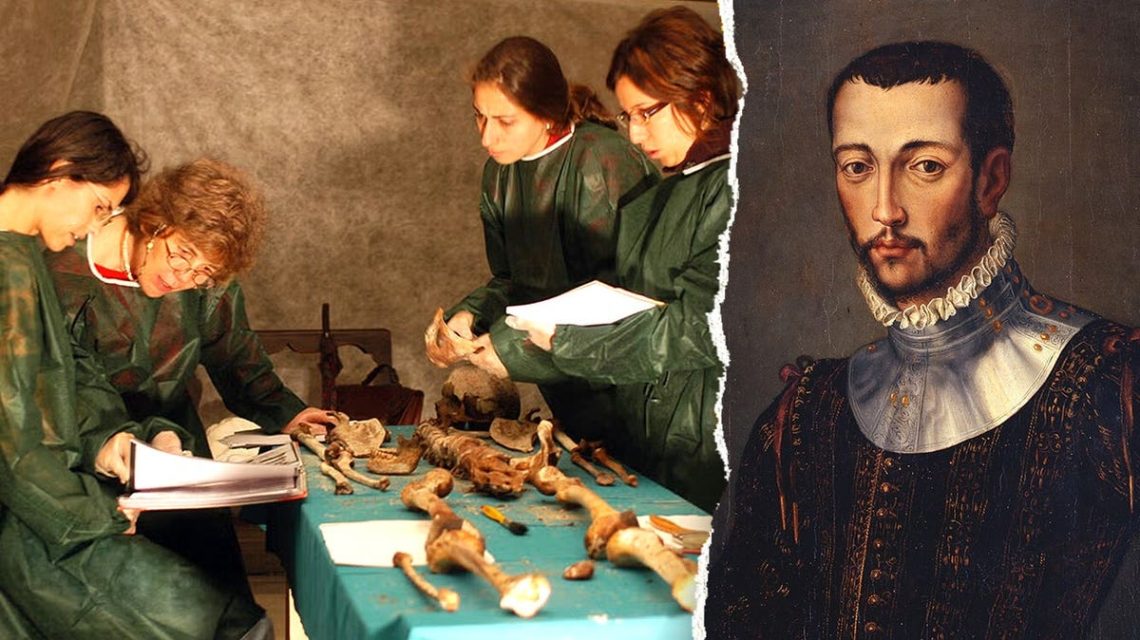
Researchers at Yale University have uncovered the cause of death for Grand Duke Francesco I de’ Medici using ancient DNA. A study published in iScience reveals that malaria, not poisoning, was responsible for his demise in 1587.
The Investigation
Francesco I de’ Medici, a prominent figure in Renaissance Tuscany, died suddenly alongside his wife, Bianca Cappello, after contracting intermittent fevers at a mosquito-infested villa. Speculations about poisoning circulated for centuries.
Collaborating with paleopathologists from the University of Pisa, the Yale team analyzed DNA from the ribs of Francesco I and his brother, Giovanni de’ Medici, who died of malaria 25 years earlier. The work, led by Serena Tucci, an assistant professor of anthropology, received attention via a university press release.
Findings
The research identified genetic traces of Plasmodium falciparum, the deadliest malaria parasite, in Francesco’s remains. This debunks the longstanding theory of arsenic poisoning by his brother, Cardinal Ferdinando de’ Medici.
The team also found a novel strain of P. falciparum and P. malariae in Francesco’s bones. Malaria was widespread in central Italy at the time, but scientific evidence was lacking until now.
“Using historical specimens can not only help us understand our past better, but also it can help build a better future.”
Impact of the Study
This research marks the first genetic analysis of the Medici brothers’ remains, confirming earlier evidence of malaria. The study provides scientific proof that challenges the poison theory and aligns with historical records describing symptoms consistent with malaria.
Despite preventative treatments like bloodletting, rumors of poisoning endured until this genetic confirmation. Tucci states that while poisoning can’t be fully dismissed, malaria is the most likely cause of death.
Broader Implications
Gisella Caccone, a co-author and Yale scientist, suggests that this genetic approach could solve other historical mysteries. Understanding how malaria strains have evolved may improve control methods. The study emphasizes how historical specimens can enhance our understanding of the past and inform future discoveries.
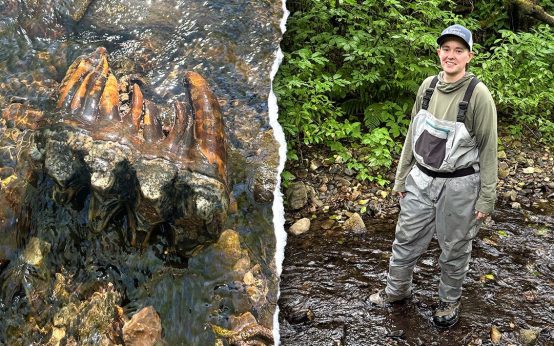 Ice Age Mastodon Tooth Unearthed in California Creek
 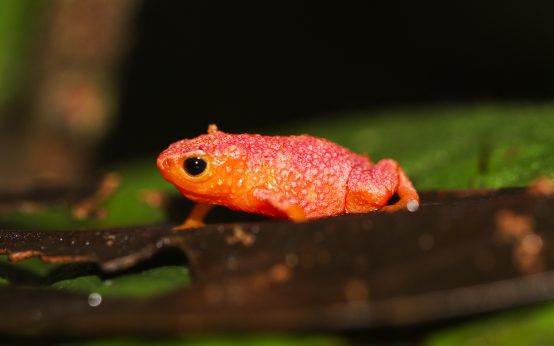 The Unique Challenges of the Pumpkin Toadlet
  Animal Self-Medication Insights
  Carlo Rovelli’s Perspective on Physics and Ultimate Reality
 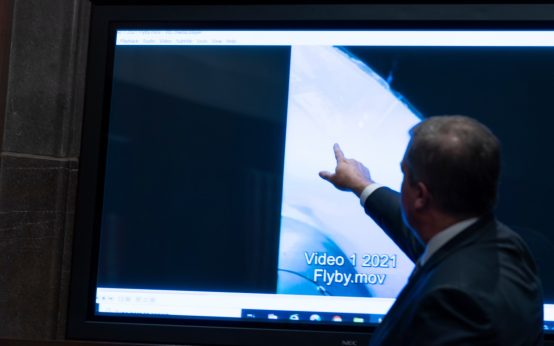 Department of Defense Legal Waiver Promotes UAP Disclosure
  Ancient Ring Offers New Insight on Pontius Pilate’s Authority