
Four years have passed since the pivotal Supreme Court ruling in Dobbs v. Jackson Women’s Health Organization, which effectively ended the federal constitutional right to abortion by overturning Roe v. Wade. This decision has had significant implications for both state legislation and public opinion.
In the period following the decision, attention primarily focused on how states reacted through legislative measures. Many states quickly enacted abortion bans, while others moved to protect abortion rights within their jurisdictions. This reshaping of abortion law at the state level has created a dynamic and often contentious legal environment.
The public reaction has been marked by increasingly polarized views. Americans now largely hold more absolute positions regarding abortion rights. This shift is evidenced by the fervent activism observed outside key institutions like the Supreme Court, particularly on significant anniversaries of landmark decisions.
Understanding these changes requires input from scholars and researchers who analyze the intersections of law, public policy, and social attitudes. Their work helps unravel the complex dynamics that have emerged since the Dobbs decision, offering insights into how Americans engage with issues of personal liberty and legal authority.
The landscape of abortion rights in the United States remains a contentious and evolving issue, with profound implications for many facets of society. As debates continue, it is crucial to examine the facts and the analyses provided by experts to navigate this rapidly shifting terrain.
 A Mother’s Tragic Journey Under Abortion Ban
  U.S. Strategic Goals Remain Unmet Amid Prolonged Conflict
  The Impact of Arts and Closure on Democracy
 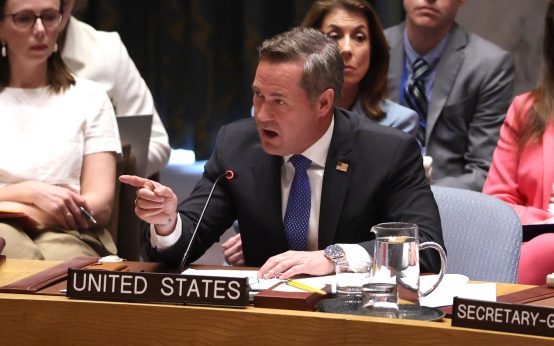 U.S. Ambassador Comments on Iran War Duration Amid Political Concerns
  US-China Relations Under Scrutiny: Expert Warns of Escalating Tensions
  No Timeline for End of Iran Conflict