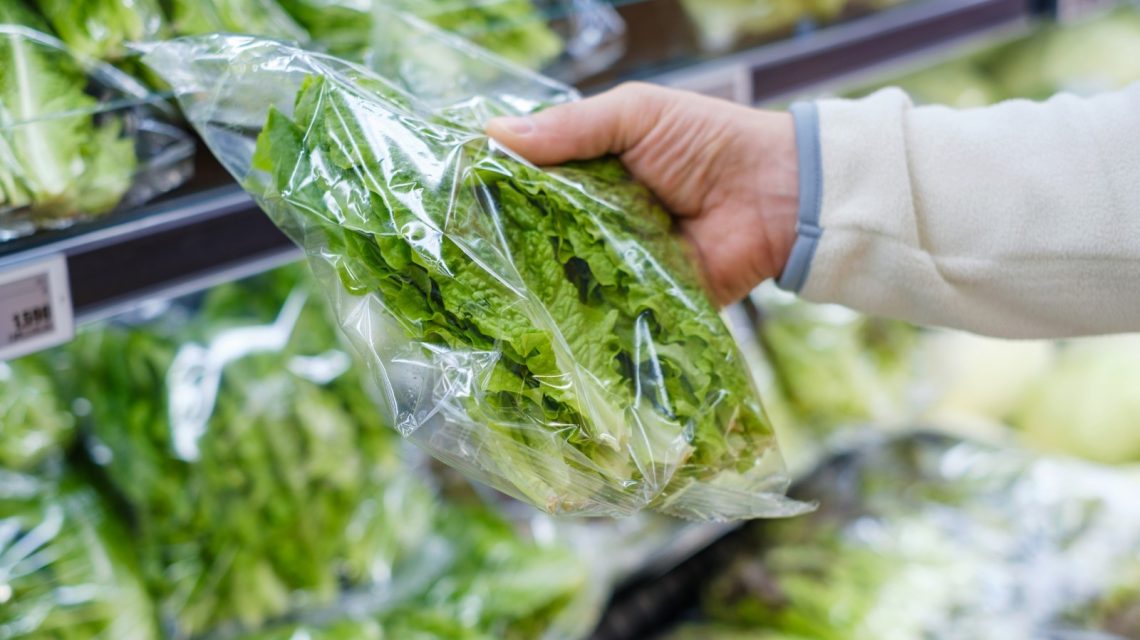
The ongoing Cyclospora outbreak linked to recalled iceberg lettuce is causing a shift in consumer habits across the United States. A recent poll highlights growing food safety concerns, with many Americans reducing their fresh produce purchases.
Consumer Reactions to the Outbreak
A CBS News/YouGov survey indicates that 40% of Americans are eating or buying less produce because of the outbreak, while only 4% are purchasing more. This reflects public anxiety as federal health officials investigate clusters of the illness, urging consumers to avoid the recalled products.
The primary outbreak is tied to recalled iceberg lettuce from Taylor Farms. According to a July 24 update from the Centers for Disease Control and Prevention (CDC), 1,947 people from nine states have been affected, with 98 hospitalizations reported. Separate Cyclospora outbreaks are also under investigation nationwide.
Changes in Produce Purchases
The CBS News/YouGov survey, conducted from July 22 to July 24 with 2,193 U.S. adults and a margin of error of 2.7 percentage points, shows significant awareness of the health situation:
- 61% of respondents are following news about Cyclospora closely.
- 40% report reducing their consumption or purchase of fresh produce.
- 56% say their shopping habits remain unchanged.
- 4% report buying or eating more produce.
Public confidence in the Food and Drug Administration (FDA), responsible for food safety, remains mixed. Only 13% have “a lot” of confidence in the agency, 40% have “some” confidence, and 47% report having “not much” or no confidence at all.
Details on the Lettuce Recall
The outbreak is centered on iceberg lettuce from central Mexico, distributed by Taylor Farms, which issued a voluntary recall on July 17. The impacted states include Illinois, Indiana, Kansas, Kentucky, Michigan, Ohio, Oklahoma, Pennsylvania, and West Virginia.
Although no products have tested positive for Cyclospora as of July 24, Taylor Farms pulled implicated products and suspended sourcing from central Mexico as a precaution. The CDC is following broader trends, having recorded 4,173 confirmed cases of cyclosporiasis since May 1, with over 7,400 suspected cases under review.
Understanding Cyclospora
Cyclospora cayetanensis is a microscopic parasite that causes cyclosporiasis, an intestinal illness.
Transmission: The parasite spreads through contaminated food or water with fecal matter. Leafy greens, berries, and other fresh produce are common vectors.
Contagion: Cyclospora does not spread directly between individuals, requiring environmental maturation.
Symptoms: Symptoms appear 2-14 days post-exposure and include watery diarrhea, appetite loss, weight loss, cramps, bloating, nausea, and fatigue. Vomiting and low fever may occur.
Treatment: Healthy individuals recover with antibiotics, but untreated infections can last weeks or months.
Taylor Farms’ Response
Taylor Farms reacted swiftly to source queries, recalling all lettuce products available in retail and food service.
A spokesperson stated the company’s commitment to health and safety, investing $200 million annually in food safety protocols. The recall was expanded as a precaution, and sourcing from the region is suspended.
Taylor Farms continues collaborating with health authorities and independent experts to review safety processes in central Mexico.
CDC Consumer Recommendations
Federal health officials provide the following advice:
- Check and discard or return recalled Taylor Farms iceberg lettuce.
- Sanitize surfaces that touched the recalled lettuce with hot soapy water or a dishwasher.
- Seek medical care for persistent gastrointestinal symptoms after consuming fresh produce.
 Florida Reports First Dengue Fever Death as Outbreak Expands
  Federal Relief Funds Used for Anti-Racism Training in Albuquerque Schools
  Florida Man Claims ‘Lion Diet’ Transformed Health and Life
  Concerns Over Food Safety and Its Impact on Families
  A Mother’s Tragic Journey Under Abortion Ban
  Medical Diagnosis Errors: Understanding the Crisis