
The Trump administration is pushing to change a longstanding radiation safety principle. This principle requires companies and institutions using radioactive materials to keep radiation exposure as low as reasonably possible, even if it’s already below legal safety limits.
The U.S. Nuclear Regulatory Commission (NRC) published this proposed change in the Federal Register on July 15. The replacement of the “As Low As Reasonably Achievable” (ALARA) principle with a “graded approach” aims to reduce ambiguity, according to the NRC.
ALARA mandates that facilities, such as nuclear power plants, hospitals, universities, and research institutions using radioactive materials, not only comply with legal radiation exposure limits but also minimize exposure as much as practically feasible.
The NRC argues these changes could help companies building smaller reactors to expedite their processes. This would occur without altering exposure standards for workers or the public. However, critics express concern that removing ALARA might increase permissible doses in some situations.
The public has until August 31 to comment on this proposal.
This story is developing and will be updated with new information.
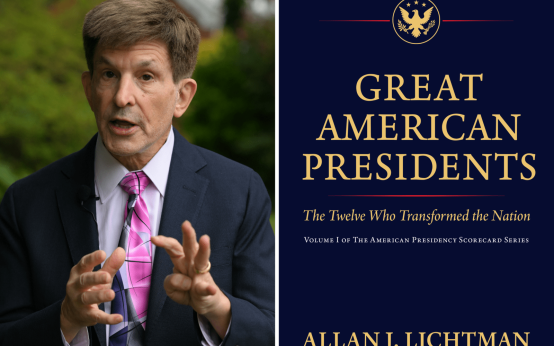 Allan Lichtman’s Framework for Assessing Presidential Greatness
 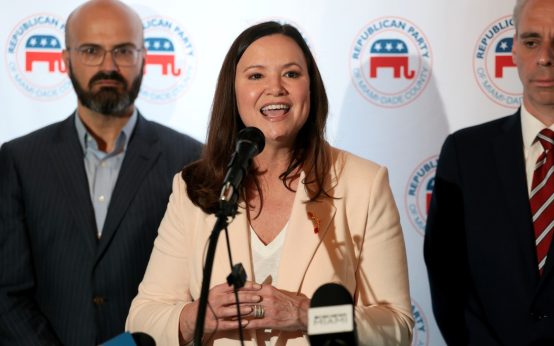 Florida Senate Race Tightens as Recent Polls Show Dead Heat
  Ethics Complaint Targets Colorado Representative Lauren Boebert
 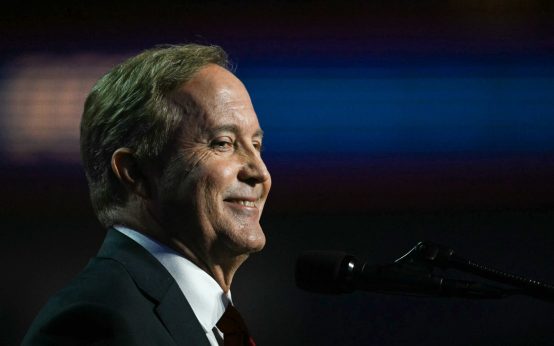 Ken Paxton’s Campaign Funding and Polls
  Inside the Secret Deals Powering the President’s Push to Deport Migrants to Countries Not Their Own
  Independence of Research from Political Agendas