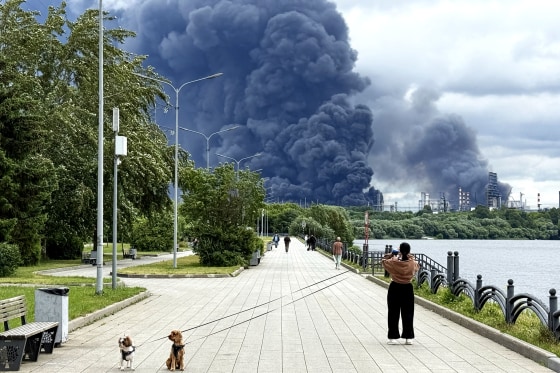
Long lines, fuel rationing, and empty tanks have become common sights in Russia amidst a significant fuel crisis. For nearly two months, this shortage has plagued the nation, marking an event not seen in the 25-year span of President Vladimir Putin’s leadership. One resident from Moscow shared with NBC News that some gas stations remain closed, while others struggle to offer a complete range of fuel types.
The situation took a serious turn when a drone attack targeted Gazprom Neft’s Moscow oil refinery on June 18, with smoke visibly rising from the site. This attack has further complicated the fuel supply and increased tensions. The scenario is contributing to a shift in dynamics, providing Ukraine with an advantage in its ongoing conflict with Russia.
The disruption in fuel supplies has led to anxiety and uncertainty among citizens, as the crisis impacts daily life and the country’s broader economic stability. Residents are facing long waits at gas stations, which have been forced to ration supplies due to scarcity.
This fuel shortage echoes challenges faced in other sectors as Russia navigates through significant geopolitical and internal pressures. With no immediate resolution in sight, citizens and industries alike brace for continuing difficulties in accessing essential resources.
 The Cost of Challenging Beijing
 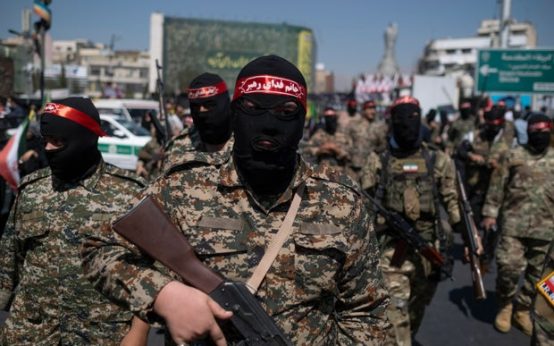 Tensions Escalate in Iran Conflict as Global Leaders Weigh Options
 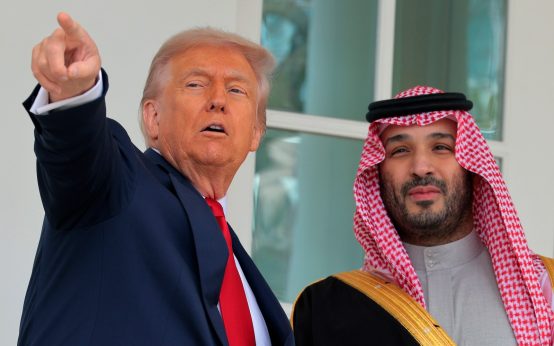 White House Approves F-35 Sales to Saudi Arabia Amidst Regional Tensions
  Inside the Secret Deals Powering the President’s Push to Deport Migrants to Countries Not Their Own
  Navigating the Challenges of Third-Country Deportations
  Midair Altercation on Bangladesh to London Flight