
Understanding Congressional Authority on War
The U.S. Constitution distinctly allocates the power to declare war to Congress. However, recent events have raised questions about how this power is exercised today.
A prominent example is the ongoing conflict with Iran, initiated without congressional authorization. Despite bipartisan efforts in both the House and Senate to terminate the conflict, it persists. This scenario prompts a closer look at the evolving nature of wartime powers.
The Iran Conflict: A Case Study
The military engagement initially aimed to dismantle Iran’s governing structure. It has now entered its fifth month without formal congressional endorsement. This situation exemplifies a shift in how decisions on war are made, sparking debate over authority and constitutional adherence.
Implications on Constitutional Practices
This development signifies an informal amendment to constitutional practices regarding war declarations. The ongoing Iran conflict, despite congressional votes to end it, highlights changing dynamics between government branches. The scenario poses critical questions about checks and balances in matters of national security.
These issues demand consideration to ensure alignment with constitutional mandates. Such discussions are vital for preserving governmental accountability and the intended separation of powers.
 American Public Opinion on Press Freedom
  Media Lawsuit Against Trump Administration for White House Ban
  The Cost of Challenging Beijing
  Analyzing Midterm Elections and Party Dynamics
 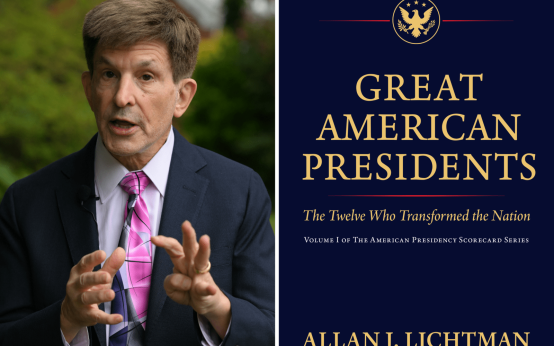 Allan Lichtman’s Framework for Assessing Presidential Greatness
 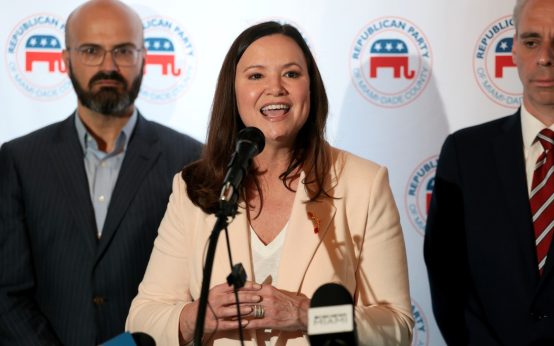 Florida Senate Race Tightens as Recent Polls Show Dead Heat