Artificial intelligence from China is becoming increasingly popular in the United States. Raffi Krikorian, CTO of Mozilla, has switched to Moonshot’s Kimi K3 model. This decision came days after its release, citing improved responsiveness compared to Anthropic’s Claude Fable chatbot. Previously, Krikorian used Z.ai’s GLM-5.2 model for tasks like calendar and email management.
Chinese AI systems are becoming more popular due to affordability and efficiency, despite U.S. tech giants feeling frustrated over this competition. U.S companies, including Coinbase, are adopting Chinese AI models to lower costs. Restrictions by the U.S. maintain a barrier to China’s access to advanced technologies, yet Chinese AI models continue gaining traction with independent software developers.
The U.S. administration has accused Moonshot of using non-illegal methods to develop K3 from Anthropic’s Fable, a claim denied by Beijing. Chinese AI systems are becoming both cheaper and competitive, with new models challenging American equivalents like OpenAI and Google’s Gemini.
“Most of us, 90 plus percent, don’t need Anthropic’s Mythos or Fable,” said Curt Meinhold.
Meinhold prefers DeepSeek for business tasks due to its functionality and cost-effectiveness. Goldman Sachs noted in July that Chinese AI models are reaching a crucial stage for adoption. Alex Colville explains that AI prices differ significantly when calculated per million tokens needed for complex tasks, making Chinese models appealing.
The popularity of Moonshot’s Kimi K3 is evidenced by 930,000 downloads shortly after its release. Anastasios Angelopoulos remarks that Chinese models offer competition to U.S. counterparts but face limitations in overall capabilities.
The open-source nature of Chinese AI contrasts with the closed systems of U.S. models from Anthropic and OpenAI. Mozilla’s Krikorian and others highlight this trend, noting increasing global adoption of Chinese-built models.
Policy restrictions, such as Anthropic’s Fable controls, create opportunities for Chinese competitors to gain users, explained Angelopoulos. At a summit, President Xi Jinping endorsed open-source AI, aiming for equity and enhanced capabilities, particularly in developing countries.
China’s intense domestic competition drives global expansion. Chinese startups raise funding through public offerings and other methods. Chelsey Tam, from Morningstar, notes that both countries will promote their AI while protecting strategic technologies.
Chinese AI startups face sustainability issues. Z.ai reported revenues of 724 million yuan last year but a net loss of 4.7 billion yuan. Despite challenges, Chinese AI models will likely continue to grow in the U.S.
“Anyone doing serious AI load should evaluate these models,” Krikorian recommended.
 Debate Continues Over Virginia’s Data Center Energy Plans
  Trump Suggests Renaming AI to ‘Super Intelligence’
  The Rise of Data Centers and AI Development
 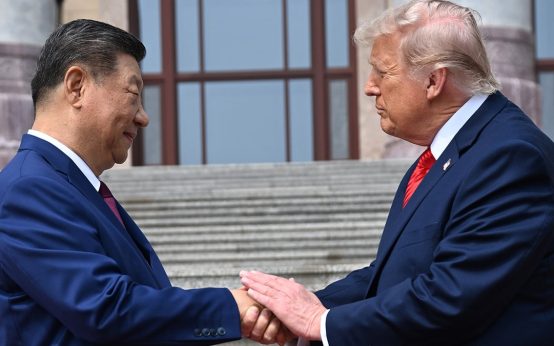 How China Uses AI to Challenge U.S. Dominance
  Controversy Surrounding Automated License Plate Readers (ALPRs)
  U.K. Test-Fires U.S. Torpedo from XV Excalibur