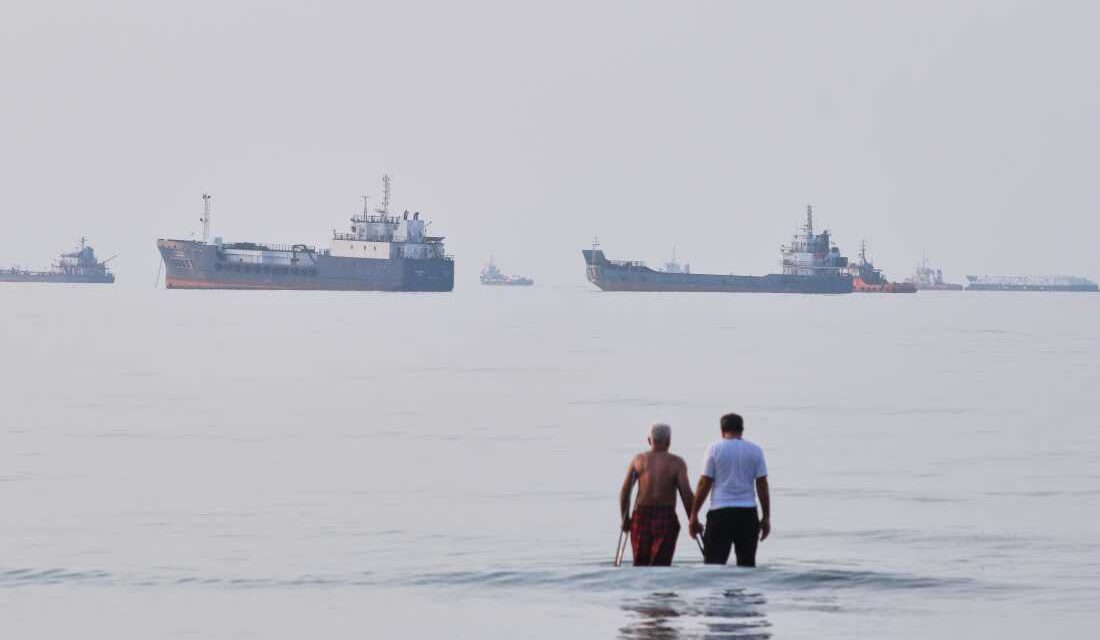
Two men stand in the waters of the Strait of Hormuz near anchored vessels off Bandar Abbas, Iran. The scene highlights the tensions in the region as diplomatic efforts continue.
The United States has paused its military actions against Iran for a second consecutive day. Iran also halted its attacks as both nations explore a potential interim ceasefire deal. Recent exchanges of fire have challenged the efforts to return to the negotiating table. The reason for the U.S. pause remains unclear.
White House communications director Steven Cheung emphasized President Donald Trump’s preference for a diplomatic resolution. However, he reiterated the U.S. stance on maintaining all options if Iran continues actions in the Strait of Hormuz or against allies. He advised Iran to work towards a negotiated agreement to avoid consequences.
Since the U.S. halted attacks for the past two nights, Iran has followed suit, according to Iran’s state TV. Iran had recently retaliated against regional countries hosting U.S. military forces, resulting in casualties in Jordan.
A Positive Signal
The 60-day negotiation period that began with the interim deal in mid-June is progressing. Key issues like Iran’s nuclear program remain unresolved, but mediators focus on keeping dialogue open. A regional official called the pause a ‘positive signal’ aiding de-escalation efforts.
The official noted that both nations seek a return to the interim ceasefire deal. A compromise involves Iran managing vessel transit through the Strait of Hormuz with reduced ship restrictions. The official requested anonymity as they were not authorized to discuss details.
Concerns surround shipping on the Strait of Hormuz and the Bab al-Mandeb Strait, a vital waterway in the region. Last week, Houthi rebels in Yemen, backed by Iran, threatened to block Saudi shipping. Global energy supplies and economic stability face challenges as gasoline prices rise.
Iran reported ongoing discussions with Oman to ensure the safe passage of ships through the Strait of Hormuz. Iran’s Foreign Ministry spokesperson, Esmail Baghaei, stated that talks progressed and maintained that the strait’s status remains unchanged. Tehran insists the interim deal allows it to manage shipping there and opposes U.S. support for routes near Oman.
U.S. Naval Blockade Continues
The U.S. military announced its naval blockade against Iran remains active. A dozen commercial ships were redirected, two disabled, and two boarded. The U.S. forces continue to be vigilant and prepared.
Meanwhile, in southern Lebanon, recovery efforts persist as a Lebanese woman clears debris from her home, showing the broader regional impact of recent conflicts.
Netanyahu Supports U.S. Efforts
Israeli Prime Minister Benjamin Netanyahu plans to meet President Trump in Washington shortly. Their last meeting was before the war on Iran that eliminated senior leaders, including Ayatollah Ali Khamenei. In retaliation, Hezbollah attacked Israel, prompting Israeli airstrikes and ground force deployment in Lebanon.
The U.S. has facilitated significant talks between Lebanon and Israel to pacify the region and disarm Hezbollah. Netanyahu expressed full support for Trump’s efforts to weaken Iran and halt its nuclear ambitions. He stressed that avoiding intense military confrontations is preferred.
He acknowledged Trump’s key role in decision-making and warned that Iran would make a grave mistake if it resumed hostilities against Israel.
 Investigation into Lion Deaths in Tanzania
 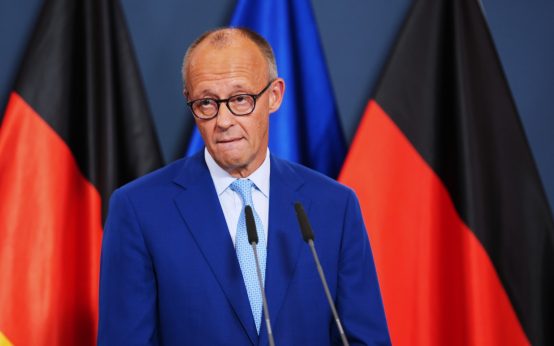 Merz Stays Resolute Amid Electoral Shifts in Germany
 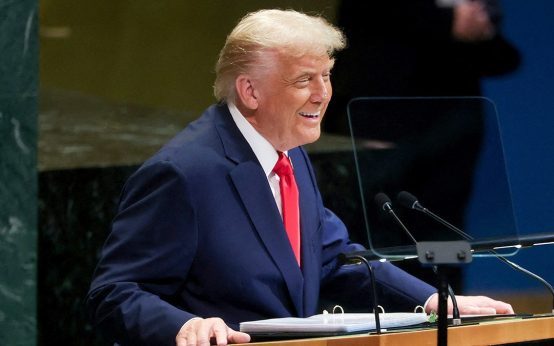 U.S.-Iran Relations and Diplomacy at Upcoming U.N. Assembly
 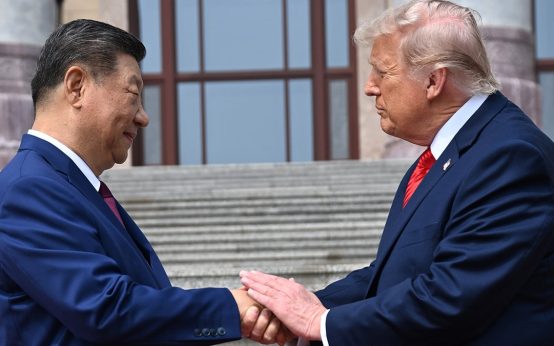 US-China Relations Under Scrutiny: Expert Warns of Escalating Tensions
 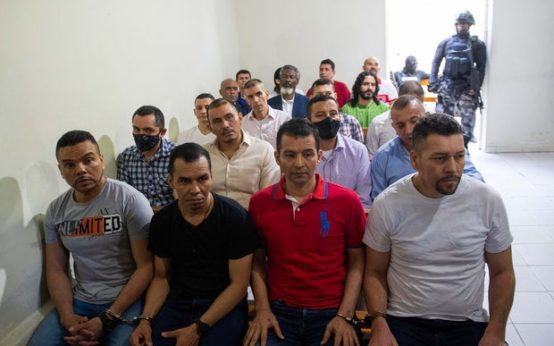 Extradition of Suspects in Haitian President’s Assassination
  No Timeline for End of Iran Conflict