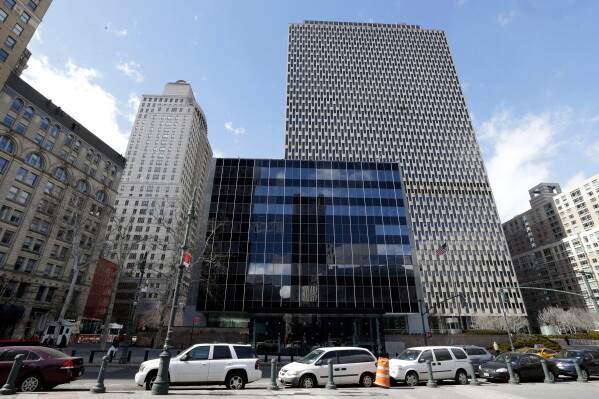
The Trump administration has implemented tariffs on imports from over 60 countries. These tariffs range from 10% to 12.5%, targeting nations accused of having unfair trade practices, particularly in relation to forced labor. This move comes as temporary global tariffs recently expired and has sparked debate about its true motives.
Legal Basis for Tariffs
The justification for these tariffs is found in the president’s power to impose import taxes under specific conditions. The announced tariffs coincide with the expiry of temporary 10% tariffs, which were themselves a stopgap measure after the Supreme Court nullified previous global tariffs. The administration argues that the targeted countries either lack adequate forced-labor import bans or fail to enforce them. Many affected nations dispute these claims, labeling them as arbitrary.
Section 301 of the Trade Act of 1974
The tariffs were executed using Section 301 of the Trade Act of 1974. This provision allows the U.S. to take action against countries not effectively prohibiting the importation of goods made with forced labor. During Trump’s first term, this section was also invoked against China in response to disputes over technological dominance.
Barry Appleton, a law professor, noted that Section 301 allows the president to impose tariffs without congressional approval, providing a streamlined method for addressing trade disputes. This tactic bypasses potential legislative gridlock, but it has faced criticism for its lack of transparency and accountability.
Challenges in Enforcement
Despite extensive consultations and hearings, the U.S. Trade Representative (USTR) has not provided detailed evidence for the tariff decisions, leading to challenges in verifying the enforcement of import bans. Scott Lincicome of the Cato Institute argues that it is difficult to prove that countries like those in Europe are failing in this area. Patrick Childress, a trade lawyer, suggests a lack of immediate relief for affected countries due to the complexity of the enforcement standards.
International Response
Many countries have reacted strongly against the findings. Brazil, facing a 12.5% tariff, criticized the U.S. for using forced labor as a means to categorize countries unfairly. Australia has also contested its inclusion in the tariff list, emphasizing its commitment to combating modern slavery.
Industries within the U.S. have raised concerns too. The National Council of Textile Organizations (NCTO) criticized the exclusion of textile imports from specific countries, arguing it undermines domestic manufacturers, despite the administration’s intent to protect U.S. industries.
U.S. Legislation on Forced Labor
The U.S. has legislation in place, such as the Tariff Act of 1930 and the Trade Facilitation and Trade Enforcement Act of 2016, which address forced labor. The latter act closed a critical loophole that previously allowed imports if there was insufficient domestic supply.
More recently, the Uyghur Forced Labor Prevention Act has aimed to block imports from China’s Xinjiang region unless proven free of forced labor. Despite these laws, investigations have found that goods produced with forced labor continue to enter the U.S.
Need for Comprehensive Strategy
Recent hearings highlighted the need for a comprehensive approach to effectively curb forced labor. Jonathan Gold from the National Retail Federation advocates for well-defined benchmarks. This, combined with U.S. assistance for countries to enhance enforcement programs, forms part of a broader strategy.
Kenya Davis, a legal expert, stresses the role of comprehensive plans that ensure transparency and provide aid to countries in enacting import bans. This approach is essential for establishing effective and measurable results in the fight against forced labor.
 Michigan Man Stands Firm Amid Backlash Over Comments on Islamic Population
  Immigration Debate: Democrats and Republicans Face Messaging Challenges
 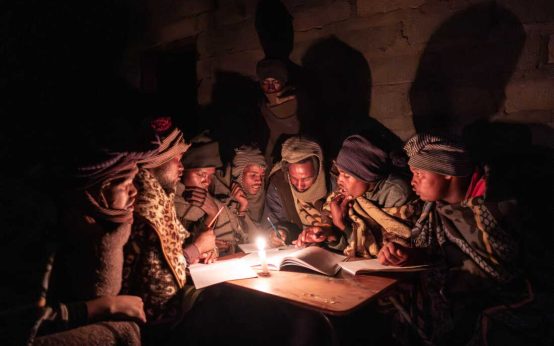 Night Schools in Lesotho Offer a Lifeline to Young Shepherds
 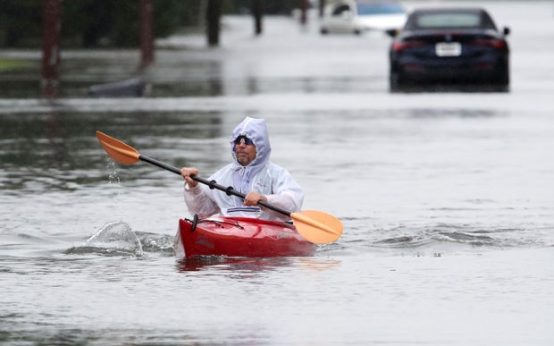 Nor’easter Hits U.S. East Coast, Bringing Severe Weather and Flooding
  Systemic Issues Plague U.S. DOGE Service
  Faith and Politics: Democratic Candidates Embrace Religion in Congressional Campaigns