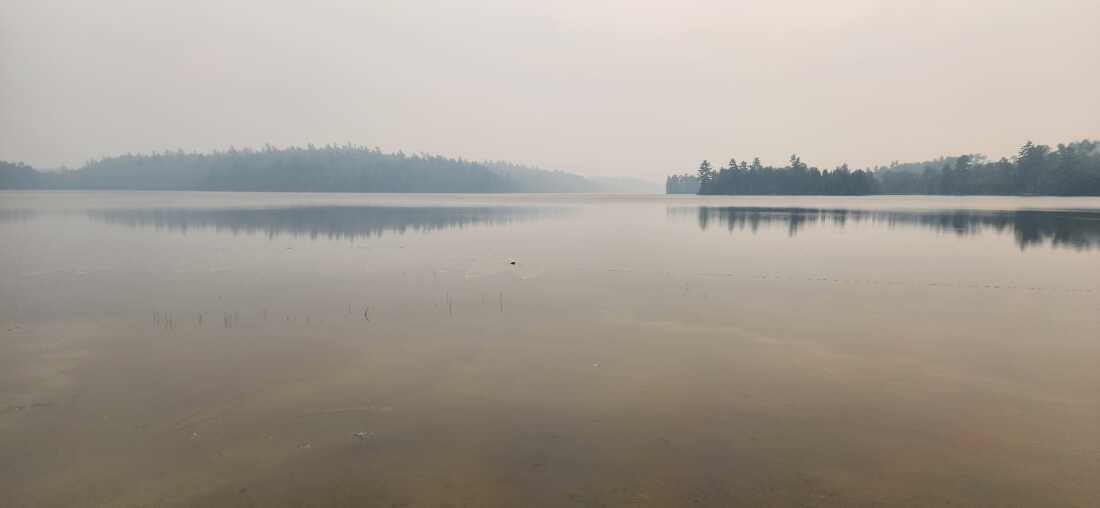
In July, Camp Widjiwagan in Ely, Minnesota, faced the challenge of wildfire smoke. Meanwhile, at Beauvoir Summer Camp in Washington, D.C., seven-year-old Penelope transformed into a mermaid during free swim sessions. She enjoys playing with pool noodles and her friends on Fridays, a day dedicated to swimming and water activities. However, unfavorable weather conditions, including hazardous air quality and extreme heat, have forced campers indoors, limiting outdoor play.
Drew Mackay, director of auxiliary and summer programs at Beauvoir School, highlighted the impact of extreme weather across the country. Wildfires in northern Minnesota and Canada caused dangerous smoke that affected large areas of the Midwest and Northeast. In Texas, deadly floods necessitated disaster declarations. A July heat wave set a new norm for July Fourth celebrations as the climate warms due to fossil fuel burning.
Lauren Smith, a resident of Pennsylvania, shared her family’s experience with severe weather disruptions during their summer. Intense heat affected soccer camp activities, followed by wildfire smoke that kept them indoors. Despite the rain driving them outside, Smith’s kids found unexpected enjoyment in home activities like decluttering, baking, and painting acorns. However, sunny days remain a rare treat.
“It’s changed my summer a lot,” Penelope, the mermaid, remarked. She pointed out the frequent changes in the environment around her.
Summer Camps Confront ‘A New Reality’
Summer camps, a break from school routines, offer opportunities for structured programs. According to a 2024 Gallup survey, 55% of U.S. parents reported their children attended at least one summer program. Henry DeHart, CEO of the American Camp Association, emphasized the importance of skills like independence, problem-solving, and teamwork for the future, especially in an AI-centric world. He noted the noticeable increase in extreme weather events at camps, with heat index days rising from three to five days to eight or ten.
In Ohio, Ellen Watkins runs Miakonda Day Camp for Scouting groups on a 160-acre site. During hazardous air conditions from wildfire smoke, the camp adapted by moving indoors, using masks, and engaging in activities like dry land swim exercises and inflatable archery, earning positive feedback from parents.
For Camp Widjiwagan in Ely, Minnesota, evacuations were necessary. Ben Hoffman, the camp’s executive director, highlighted a moment when historic canoes were submerged to protect them from wildfires. The move garnered considerable attention online through photos. Hoffman described this as a pivotal moment for the camp.
Eleanor Pitts, a 17-year-old camper, shared her experience on a 26-day backpacking trip in Willmore Wilderness Park in Alberta, Canada. The effects of climate change became evident to her as she observed flooded rivers caused by extreme heat melting snow runoff. She acknowledged the changes she witnessed firsthand and noted how future trips will differ due to the climate situation.
Back at Beauvoir Summer Camp, summer programs director Mackay adapted to the new reality of extreme weather. Despite these challenges, the priority for kids remains maximizing pool time and enjoying their childhood activities.
 How Battery Innovations Transform Renewable Energy
  Data Centers Stir Controversy in Texas Amid Growth Boom
  Urgent Archaeological Efforts in Quinhagak Stay Ahead of Erosion
  Concerns Rise Over NIPSCO Permit In Jasper County
  Reader Reactions on Grizzlies and Data Centers
  Managing the Crisis of Drying Rivers