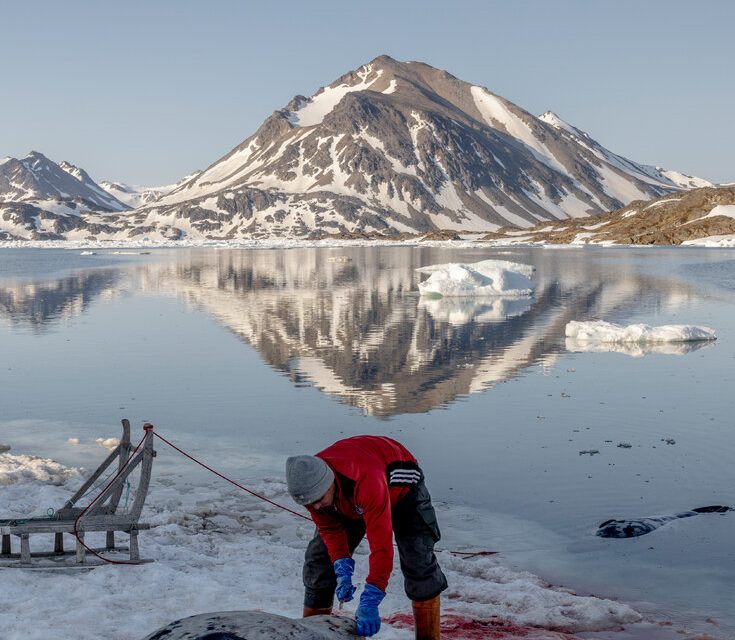
Anganni Mikaelsen navigated through the icy waters near Kulusuk, Greenland, when a seal emerged from the depths. The sound of his rifle soon echoed. Hunting seals is a tradition deeply rooted in Greenland’s history.
Seals are integral to the Greenlandic way of life. The meat feeds the people and their sled dogs. Skins are used for clothing, and bones for jewelry. This animal is a lifeline in Greenland’s harsh environment.
International organizations have long opposed seal hunting, labeling it as cruel. Several countries, including the United States, have bans on seal products. Some exceptions do exist for indigenous hunters.
The sealskin trade in Greenland is substantial. It provides livelihoods for thousands of Inuit hunters. After being hunted, seals undergo a detailed process. Hunters sell the skins, where they undergo fat removal, washing, and soaking to remove salt and blood. The final steps include additional cleaning, dyeing, and cutting.
In Qaqortoq, the Great Greenland tannery specializes in this intricate process. This facility, resembling a large dry cleaner with a salty scent, processes numerous products. They sell pelts, hats, mittens, and earrings. High-end jackets can exceed $1,000 in price.
In Nuuk, the capital, sealskin items and exhibits are common. Statues pay homage to the importance of seals in Greenlandic culture. Frederick Willie, a local teacher, stated, “No seal, no life.”
Anganni Mikaelsen acknowledges the criticism but believes outsiders don’t grasp its significance. In Kulusuk, it’s typical to find families at the harbor ready to process the catch.
As Mikaelsen guided his boat away, he reflected on the value of his work. “This will last us five or six days,” he noted with satisfaction, adding, “And it will be good eating.”
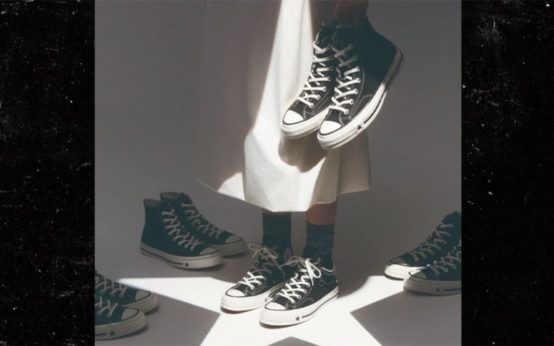 Converse Apologizes and Withdraws Controversial Ad Amid Criticism
  Community Relief Efforts at New Orleans Free Store
  Girl Scout Troop 35579 Project: Pet Pantry for Woodland Park
  Children’s YouTube Star Ms. Rachel Draws Scrutiny Over Links to Palestinian Photojournalist
  Lucas Museum of Narrative Art Unveils in Los Angeles
 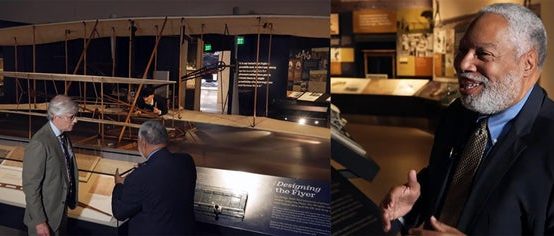 Lonnie G. Bunch III Reflects on His Legacy at the Smithsonian