Democratic National Committee’s Strategic Move
The Democratic National Committee (DNC) plans to make South Carolina the first state in the 2028 presidential primary. This decision has sparked discussions on its implications for various factions within the party. The DNC’s Rules and Bylaws Committee has recently recommended that South Carolina replace Nevada as the opening contest. Approval from the full DNC, expected in August, is necessary to finalize this change.
Impact on Different Factions
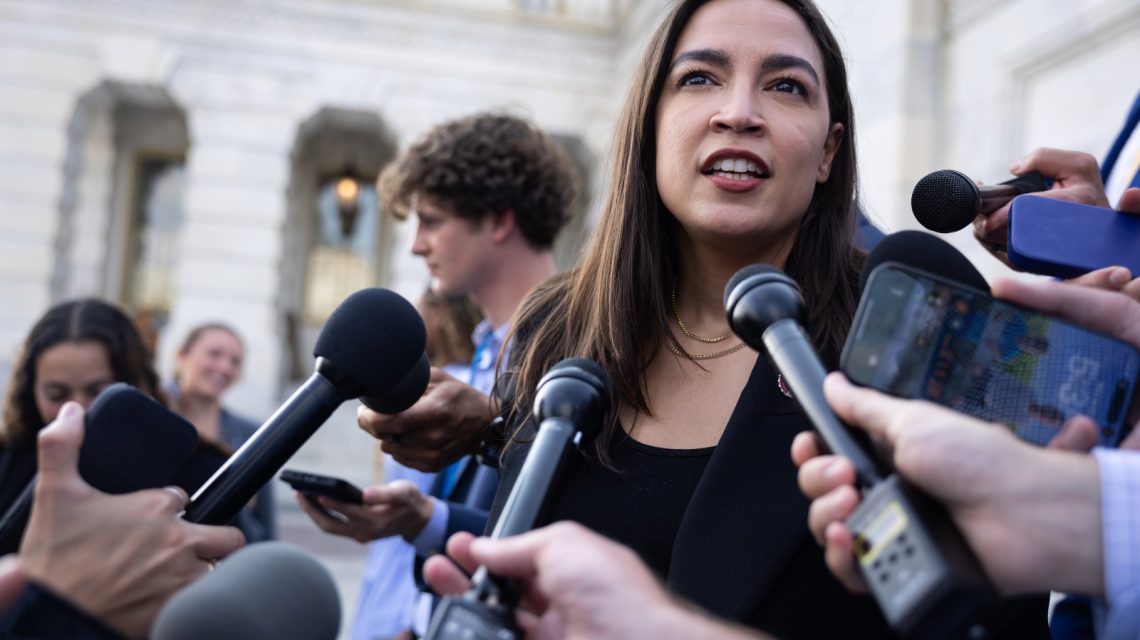
South Carolina’s Democratic electorate includes a significant number of Black voters who have historically leaned towards establishment candidates. This dynamic raises questions about the viability of progressive or democratic socialist candidates like Representative Alexandria Ocasio-Cortez. Some analysts suggest a crowded primary could split moderate votes, creating opportunities for more insurgent candidates.
The Significance of Being First
The first primary state holds considerable sway, impacting the rest of the nominating contest. A strong performance can attract media attention, enhance fundraising, and convince undecided voters of a candidate’s viability. Conversely, a poor showing can end campaigns quickly. With no incumbent Democratic president expected to run in 2028, the first state contest gains additional importance as candidates vie for early momentum.
Rationale for Choosing South Carolina
South Carolina was initially moved to an early position for the 2024 cycle upon President Joe Biden’s suggestion. He argued for a starting state that represents the party’s diverse coalition. Proponents of keeping South Carolina as the first state believe it provides Black voters, a key Democratic bloc, with a greater voice. While Nevada advocates highlighted their state’s diversity and battleground status, the decision leaned towards South Carolina’s representation of the Democratic coalition.
Challenges for Progressive Candidates
Some commentators, like Meghan McCain, view the decision as unfavorable for progressive candidates. Political scientist Craig Agranoff noted that South Carolina rewards candidates connecting with its influential Black electorate, often prioritizing practical results over ideology. This environment can pose challenges for progressive voices within the party. Nonetheless, early contests can shape momentum, requiring candidates to build broad coalitions quickly.
Potential Benefits for Progressives
Others, including political scientist Grant Reeher, suggest South Carolina’s first position might not hinder progressive candidates. Primaries typically attract politically engaged voters with strong ideological views. A large field may allow the most progressive candidate to emerge if moderate votes are divided. Outsider candidates benefiting from a crowded field could find opportunities given these dynamics.
New Hampshire’s Position Under State Law
New Hampshire protects its first-in-the-nation primary status by law, posing challenges to the DNC’s calendar changes. The state mandates its primary occur at least seven days before any similar contest. This requirement led to a conflict during the 2024 cycle when South Carolina moved ahead. New Hampshire maintained its early primary date, affecting its recognition in the official Democratic process.
Potential 2028 Democratic Candidates
Several figures are discussed as potential successors to Senator Sanders, known for popularizing democratic socialism within the Democratic Party. Alexandria Ocasio-Cortez stands out as a notable potential contender. However, her progressive message’s appeal beyond liberal voters remains assessed. Sanders, due to his age, is unlikely to run, but his influence persists.
Other Influential Progressive Figures
Representative Rashida Tlaib and Representative Greg Casar are recognized as influential progressive voices, but they have not announced presidential ambitions. New York City Mayor Zohran Mamdani, despite being ineligible for presidency, represents the ongoing influence of democratic socialist ideals.
The Broader Progressive Wing
The progressive wing of the Democratic Party extends beyond democratic socialism. Potential center-left candidates like Pete Buttigieg, Illinois Governor J.B. Pritzker, and California Governor Gavin Newsom could compete on issues such as healthcare, economic opportunity, and climate policy.
Political Landscape and Opportunities
Political analysts suggest the new calendar favors candidates who can build across-party coalitions. The outcome will depend on who eventually runs and the overall size of the candidate field as the 2028 primary season approaches.
 Israeli Leader’s Upcoming U.N. Assembly Speech Marked by Controversy
  Republicans Call for Quick Resolution to Iran Conflict
  United States Secures Arctic Defense Pact
  Senator Warren Seeks to Restrict Private Equity in Restaurant Chains
  Marco Rubio’s Expanding Role in Trump Administration
  Byron Donalds Adjusts Campaign Strategy as Florida Governor Race Intensifies