
President Donald Trump directed his administration to install signs in front of the Smithsonian Institution’s U.S. history museum. He claims that some of the exhibits present inaccurate information on the history of the United States.
This directive follows a report by Trump’s Domestic Policy Council, released on July 4. The report criticizes the Smithsonian and its National Museum of American History for not presenting history in an inspiring and unifying manner. The president lacks the authority to directly fire Smithsonian leaders or change exhibits. Instead, he targets the sidewalks maintained by the National Park Service through an executive order.
The executive order mandates signs that inform visitors about the report and offer resources for what Trump considers accurate historical information. It also suggests a temporary exhibit to rectify inaccuracies.
Smithsonian officials, including Anthea M. Hartig, director of the American history museum, have not commented on the order. In recent congressional hearings, Hartig defended the museum’s integrity and noted the value present in their collections and programming. She stated, “As we continue to fact check the report, we unwaveringly attest that it does not fairly or accurately characterize the full body of work at the museum.”
The Smithsonian operates independently from the executive branch. Museum directors report to Secretary Lonnie Bunch, who is under the oversight of a Board of Regents.
Trump’s initiatives reflect his belief that cultural institutions should align with conservative values. He previously led efforts to change programming at the John F. Kennedy Center for the Performing Arts. His administration faced legal challenges, such as the one involving historical panels at President George Washington’s home in Philadelphia.
Concerns have risen among advocates and academics regarding Trump’s directives. Critics argue that such orders could overshadow the nation’s challenging past in favor of a more triumphant narrative. Earlier, Trump expressed intentions to modify Smithsonian programs that promote what he labeled as “divisive narratives.”
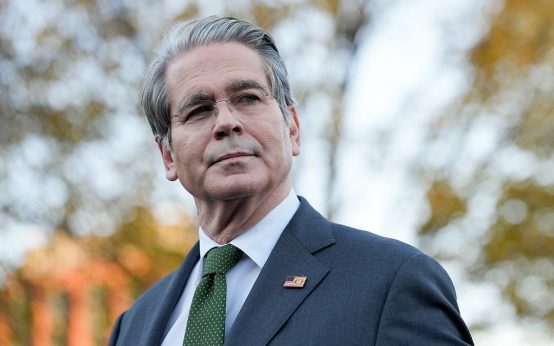 Iranian Threats Prompt Relocation of U.S. Officials to Military Bases
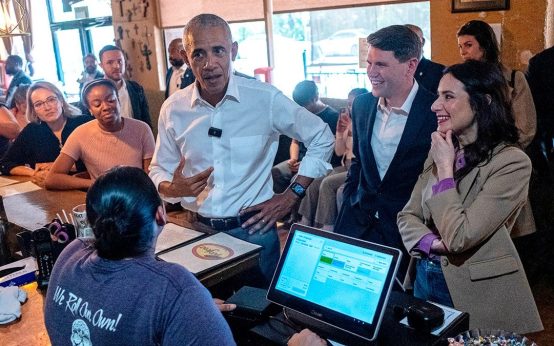 The Changing Political Landscape in Texas
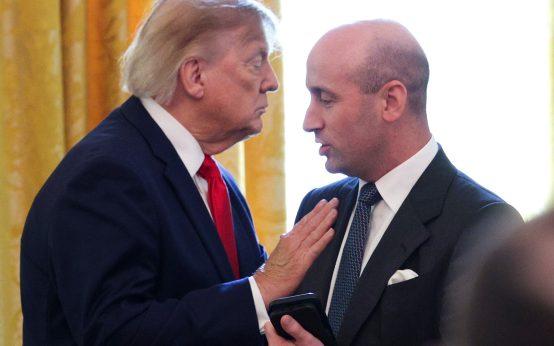 Stephen Miller Implements New Lobbyist Rules in the White House
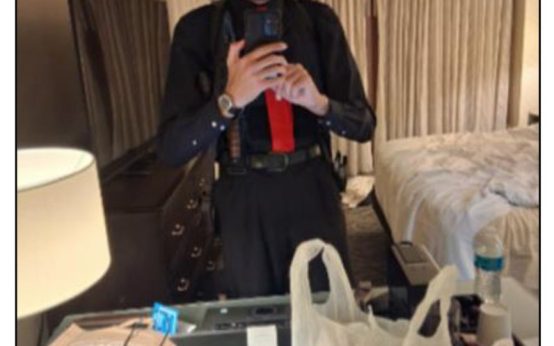 New Charges in White House Correspondents’ Dinner Shooting
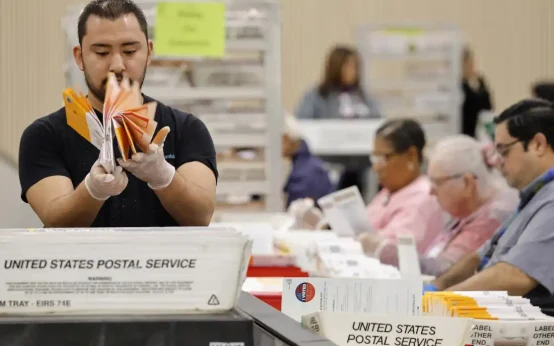 Controversy Surrounds Voter Fraud Investigations in California
 Voter Resistance to AI and Data Centers in the 2026 Midterms