
The current geopolitical challenges arising from the conflict with Iran necessitate a strategic reassessment. A critical area of concern is the ongoing blockade at the Strait of Hormuz, a vital maritime corridor for global oil supplies. Recent actions have significantly impacted international trade and raised tensions worldwide.
One proposed solution to ease these tensions involves offering incentives to Iran in exchange for opening the Strait of Hormuz and halting its nuclear endeavors. Such an approach could help de-escalate the situation by fostering dialogue and creating pathways for negotiation. The incentive-based strategy requires careful planning and international cooperation to ensure mutual benefits.
Historically, diplomatic engagements backed by economic incentives have yielded positive outcomes. Looking to previous cases of international negotiations can offer valuable insights into developing a similar solution for the Iran crisis. Engaging with allies and leveraging diplomatic channels will be crucial in implementing a successful strategy.
The significance of resolving the blockade and nuclear standoff cannot be overstated. Achieving progress in these areas could stabilize not just regional relations, but also enhance global security dynamics. Collaborative efforts in diplomacy could pave the way for a peaceful resolution to a highly volatile situation.
 Media Outlets Sue After White House Ban
  American Public Opinion on Press Freedom
  Media Lawsuit Against Trump Administration for White House Ban
  The Cost of Challenging Beijing
  Analyzing Midterm Elections and Party Dynamics
 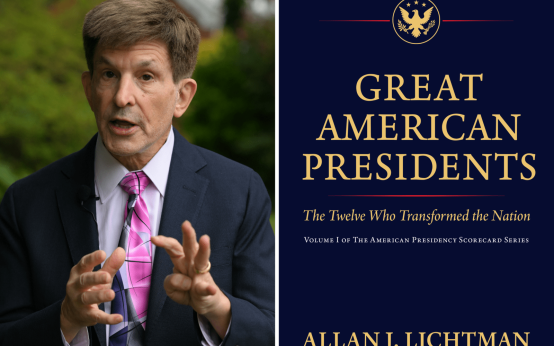 Allan Lichtman’s Framework for Assessing Presidential Greatness