
The U.S. Commerce Department recently issued a directive to the artificial intelligence company, Anthropic. On June 12, 2026, the department mandated the company to block access for all foreign nationals to its most advanced large language models. In compliance with this order, Anthropic promptly disabled its Claude Fable 5 and Mythos 5 models, making them inaccessible to anyone worldwide.
This decision raises questions about the government’s intentions. By restricting access to these cutting-edge AI models, there is speculation that the government might aim to reserve the most sophisticated technology for its own use. The move demonstrates a significant intervention in the operations of a leading AI company.
The implications of this restriction are far-reaching. For businesses engaged in international collaborations and individuals globally, the inaccessibility of these advanced models presents challenges. It underscores the delicate balance between innovation, security, and governmental oversight in the realm of artificial intelligence.
Anthropic’s swift response to the order reflects the potential for policy to influence technological development and deployment. As AI technologies evolve, governmental actions like these could shape the trajectory of AI research and utilization significantly.
 Data Centers Stir Controversy in Texas Amid Growth Boom
 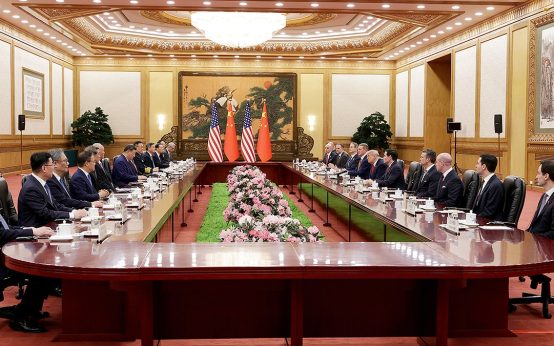 The Technology Rivalry: Trump’s Meeting with Xi and the AI Ecosystem Clash
  Ways to Protect Your Finances from Cyber Threats
  Interview with Nvidia CEO Jensen Huang: AI Outlook and Business Strategy
  Concerns Rise Over Addictive Design of Sports Betting Apps
  Seton Hall National Security Graduate Fellowship Provides Hands-On Experience