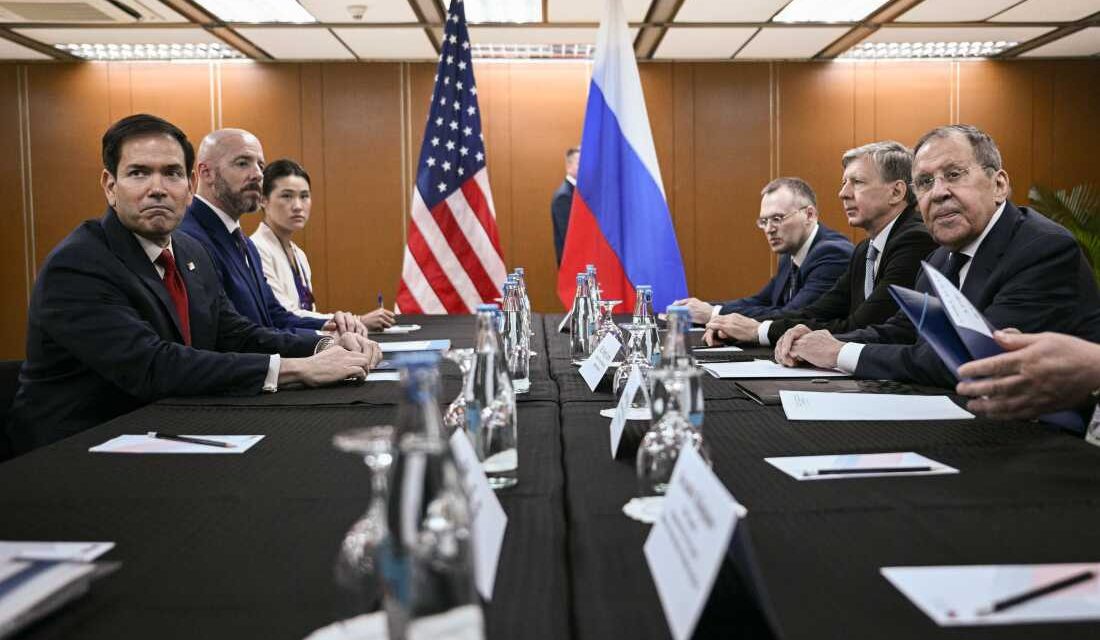
On July 23, 2026, U.S. Secretary of State Marco Rubio met with Russia’s Foreign Minister Sergey Lavrov during the Association of Southeast Asian Nations (ASEAN) Foreign Ministers Meeting in Pasay, Metro Manila. The talks highlighted the continued efforts to resolve the conflict in Ukraine. Rubio acknowledged the lack of quick solutions, emphasizing the need for sustained diplomatic efforts and innovative ideas.
Rubio described previous negotiations as either ‘unsuccessful or at least unfruitful,’ but affirmed President Donald Trump’s commitment to mediation if changing conditions allow for progress. He stated, ‘The challenge has been finding an agreeable resolution for both sides. We remain ready to play a role if circumstances present the chance.’
Aside from the meeting with Lavrov, Rubio also engaged with several other leaders, including China’s foreign minister. These discussions occurred alongside the annual ASEAN foreign ministers gathering in Manila. The U.S. continues to focus on Asia amid increased tensions with Iran and its commitment to ending Russia’s actions in Ukraine while applying pressure for change in Cuba.
Focus on International Conflicts
The ASEAN meetings during the week addressed several key issues, including the rising conflict in the Middle East and tensions in the South China Sea. Rubio highlighted concerns that the U.S. might appear overly focused on one region at the expense of another. However, he assured commitment to Asian partnerships and robust economic connections.
Although Lavrov ignored reporters’ questions, Moscow released a statement emphasizing Russia’s opposition to further arming Ukraine and accusing European countries of seeking Russia’s ‘strategic defeat.’ Russia affirmed its willingness for a political resolution, tied to agreements from a prior summit with Trump in Alaska.
Rubio noted, ‘We’ll need new suggestions and ideas agreeable to both sides.’ Despite the diplomatic challenge, the U.S. continues its military support for Ukraine through weapons purchased by NATO allies.
Ukrainian President Volodymyr Zelenskyy reiterated his intent to resume negotiations. U.S. efforts to broker peace have faced setbacks due to the recent Iran conflict. Renewed strikes post-ceasefire have intensified tensions, with Rubio stating, ‘The cost will increase continually unless they come to their senses.’
Trump’s stern approach towards Iran includes threats of destroying infrastructure for attacks on the Strait of Hormuz, countered by Iran’s defense doctrine of equal retaliation—’an eye for an eye.’
China’s Maritime Actions
Australian Foreign Minister Penny Wong criticized China’s recent missile test from a nuclear submarine, calling for more transparency. The lack of notifications to the Philippines and Pacific nations was deemed destabilizing. China defended its actions as part of annual exercises with ample prior notice.
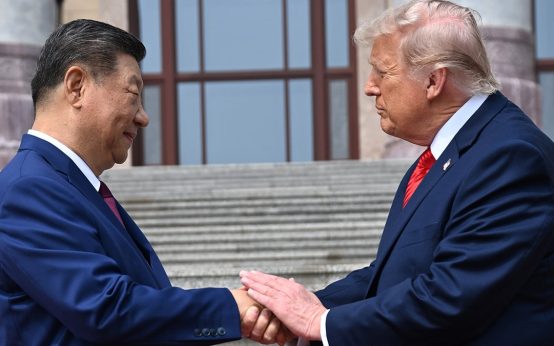
Rubio and Chinese Foreign Minister Wang Yi discussed a skirmish between Chinese and Filipino forces in the disputed South China Sea. Rubio warned of the global impact of potential conflicts between the U.S. and China. He also noted preparations for Chinese leader Xi Jinping’s visit to Washington, hoping for positive outcomes.
In response to the maritime incident, the Chinese coast guard asserted its actions were lawful, urging the Philippines to halt provocations. The Philippine coast guard accused China of harassing their vessels while delivering aid to fishermen, branding China’s actions as ‘illegal and aggressive.’
The Trump administration continues to criticize China’s conduct in the South China Sea, highlighting the disadvantages posed to smaller countries like the Philippines. ASEAN members are working towards a code of conduct to prevent conflict in these strategic waters.
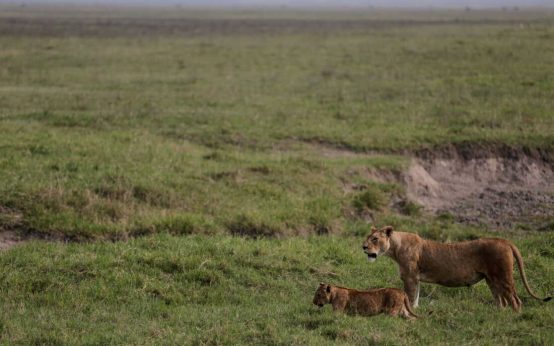 Investigation into Lion Deaths in Tanzania
 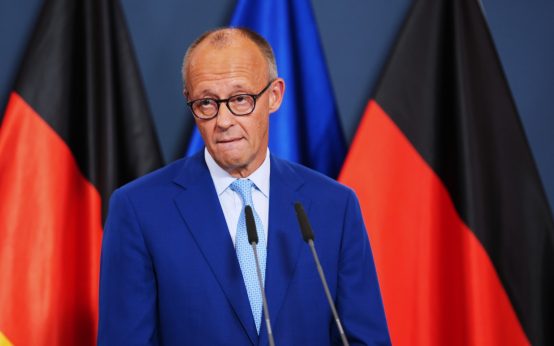 Merz Stays Resolute Amid Electoral Shifts in Germany
 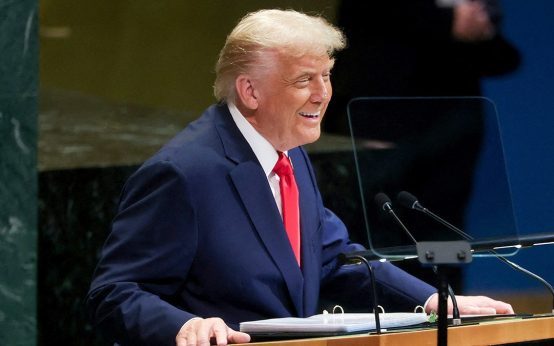 U.S.-Iran Relations and Diplomacy at Upcoming U.N. Assembly
  US-China Relations Under Scrutiny: Expert Warns of Escalating Tensions
  Extradition of Suspects in Haitian President’s Assassination
  No Timeline for End of Iran Conflict