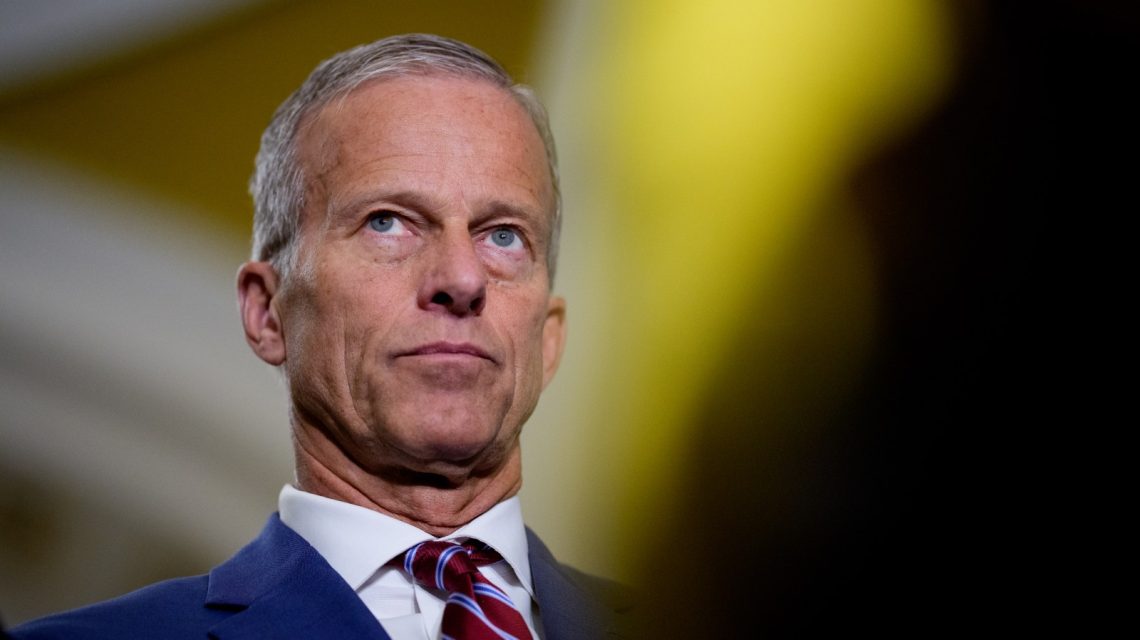
Senate Majority Leader John Thune Responds to White House Criticism
John Thune, Senate Majority Leader, responded Thursday after Karoline Leavitt, White House press secretary, commented on President Trump’s diminishing patience with Senate Republicans over the stalled SAVE Act. Thune suggested that Leavitt or others should make calls to secure the votes, emphasizing the Senate’s 50-vote structure. This exchange highlighted growing tensions between Senate Republican leaders and the White House, as Trump increasingly pressures Senate Republicans to advance the SAVE Act before the August recess.
White House Frustration with Senate’s Progress
During a White House briefing, Leavitt expressed Trump’s frustration over the Senate’s lack of action on the SAVE Act. She noted that Trump desires significant enactment of the Act before August, claiming voter support for the proposal. According to her, Trump received strong applause from audiences supporting proof of citizenship in elections.
John Thune’s Blunt Reaction
Thune expressed irritation, arguing Democrats, not Senate Republicans, are blocking the legislation. He suggested contacting Republicans deemed reachable. His remarks reflect the challenging position he faces as Senate GOP leader, balancing Trump’s demands and conservative activists against Senate realities.
Trump Intensifies Pressure
Trump has urged Congress for months to pass the SAVE Act, renewing his push during discussions on broader election-related reforms. In a recent address, he emphasized its importance for strengthening election integrity by requiring proof of citizenship for federal voter registration. While Republicans support the proposal, Senate rules present a hurdle, with most legislation requiring 60 votes to overcome a filibuster.
Challenges Facing the SAVE Act
The SAVE Act requires proof of U.S. citizenship for federal election registration and establishes voter ID requirements nationwide. Democrats strongly oppose the Act, making it difficult for Senate Republicans to advance the legislation without Democratic support or rule changes.
Republican Resistance to the SAVE Act
Earlier this year, four Republican senators joined Democrats to block efforts to attach the legislation to an immigration funding package. Senator Lisa Murkowski criticized the bill, warning of challenges it could create in Alaska. She cited potential costs of over $1,000 for first-time voters in remote areas to register in person.
Potential Impact of the SAVE Act
The SAVE Act aims to overhaul federal voter registration requirements, requiring documentary proof of U.S. citizenship. Supporters see changes necessary for election integrity. Critics, however, argue it could create barriers for eligible voters, citing rare cases of noncitizen voting and estimating millions might find registration complicated.
Conservative Pressure on Senate Republicans
Alongside the White House, conservative activists and some House Republicans have demanded Senate action on the SAVE Act. Public criticism from allies of Trump targets Senate leadership, with some House Republicans threatening to hold legislation until the measure advances.
Uncertain Future of the SAVE Act
The SAVE Act remains a top legislative priority for Trump, but lacks a clear path to passage. The White House continues to press senators, while Republican leaders assess viable routes to advance the measure. Despite Trump’s pressure, Senate leaders appear without necessary votes.
 Allan Lichtman’s Framework for Assessing Presidential Greatness
 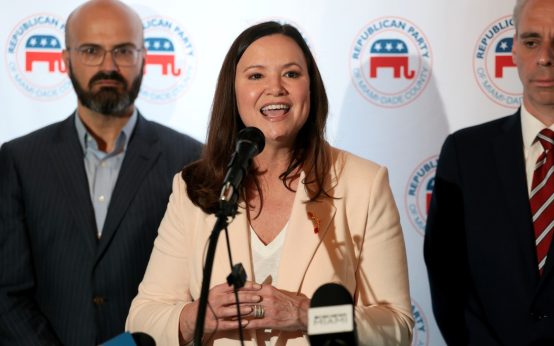 Florida Senate Race Tightens as Recent Polls Show Dead Heat
 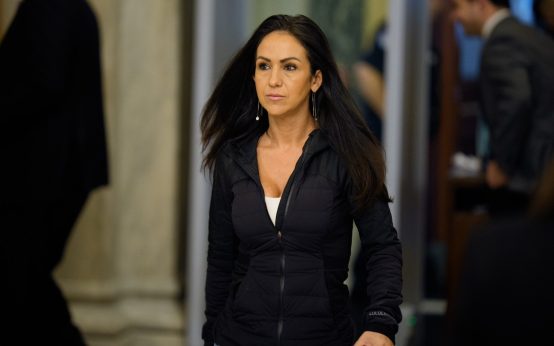 Ethics Complaint Targets Colorado Representative Lauren Boebert
 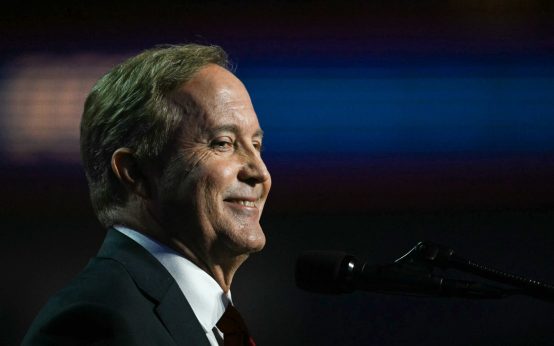 Ken Paxton’s Campaign Funding and Polls
  Inside the Secret Deals Powering the President’s Push to Deport Migrants to Countries Not Their Own
  Independence of Research from Political Agendas