The recent dismissal of Ukraine’s defense minister sparked significant changes within the country’s military leadership. President Volodymyr Zelenskyy decided to remove Mykhailo Fedorov, which led to public protests. These demonstrations revealed a rift in opinions about Ukraine’s military future.
Public protests denounced the commander-in-chief, Oleksandr Syrskyi, and many supported Fedorov, a key wartime reform advocate. Protesters demanded Fedorov’s return after his ongoing disputes with Syrskyi. This was Zelenskyy’s second time facing backlash, the first being his decision to curb anti-corruption agencies’ powers in mid-2025. To manage the situation, Zelenskyy appointed Mykhailo Drapatyi, a respected commander recognized for reforms post-2014 Russian invasion, as the new leader.
Drapatyi’s appointment signifies a generational and philosophical shift from Syrskyi, who was influenced by Soviet military practices. Fedorov remains popular with the public, which has increased his political stature. Drapatyi is seen as a bridge between the two differing approaches within the military.
“He enjoys a high level of trust within the military. This appointment could strengthen the fighting spirit,” said Oleksandr Musiienko, a military analyst.
The divide between Fedorov and Syrskyi has been likened to two different worlds. Fedorov focused on a modern, technology-driven approach, while Syrskyi favored traditional ground-forces tactics. Drapatyi aims to unify the military by accepting modern warfare tactics and responding to battlefield changes.
Syrskyi faced criticism for his leadership style and links to the 425th Separate Assault Regiment, or Skelia, involved in a major scandal. Allegations of abuse and noncombat deaths within the unit led to an investigation and the suspension of its commander. The military’s bureaucracy and concentrated control posed challenges, prompting calls for reform.
Despite martial law and suspended elections in Ukraine, the leadership saga showed that democracy and accountability persist. Some criticized the reliance on public sentiment for appointments, seeing it as a risky precedent. Tetiana Shevchuk, from Ukraine’s Anti-Corruption Action Center, stated that protests remain one way to express public opinion when elections are absent.
Social media ridiculed Zelenskyy over his search for a new army chief, highlighting the political cost. Memes depicted him interviewing fictional candidates, including characters from “Game of Thrones” and mythical creatures.
Zelenskyy has dealt with a corruption scandal affecting associates, leading to the dismissal of his former chief of staff, Andriy Yermak, due to public pressure. The support for Fedorov signifies a strong public desire for military reform.
The protests demonstrated backing for Fedorov’s reform vision. Shevchuk emphasized Fedorov’s emphasis on preserving soldiers’ lives and increasing efficiency. Ukrainians started feeling optimistic about winnable conditions for the war.
Although Drapatyi’s appointment eased tensions, the political drama continues. Fedorov resists joining the government unless reinstated as defense minister, reflecting ongoing public demands.
Fedorov’s public support raises questions about his future political prospects. As defense minister, he initiated modernization efforts, redirecting resources toward advanced military technologies and procurement reforms.
Fedorov’s proposals included changes to military service contracts to enhance sustainability for frontline service. These proposals included higher pay, improved leave, and flexibility for infantry soldiers, resonating with the troops.
 The Cost of Challenging Beijing
 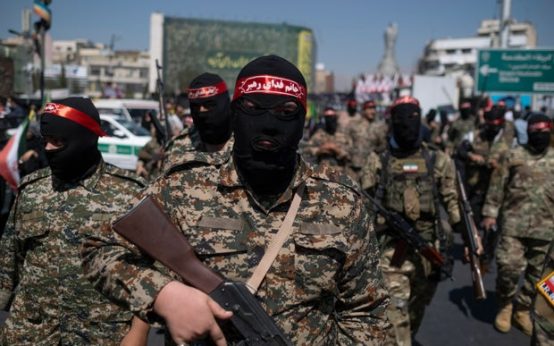 Tensions Escalate in Iran Conflict as Global Leaders Weigh Options
 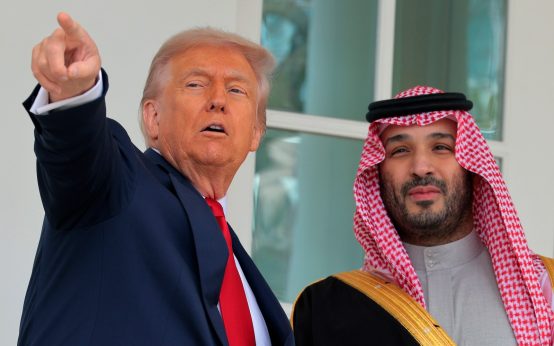 White House Approves F-35 Sales to Saudi Arabia Amidst Regional Tensions
  Inside the Secret Deals Powering the President’s Push to Deport Migrants to Countries Not Their Own
  Navigating the Challenges of Third-Country Deportations
 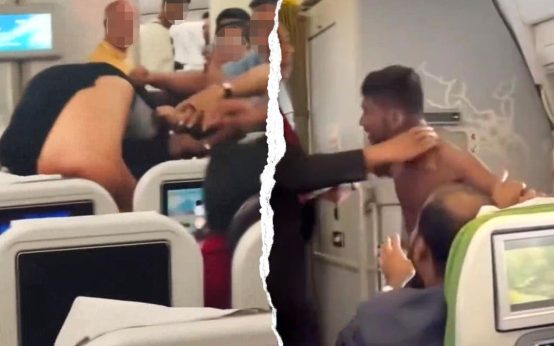 Midair Altercation on Bangladesh to London Flight