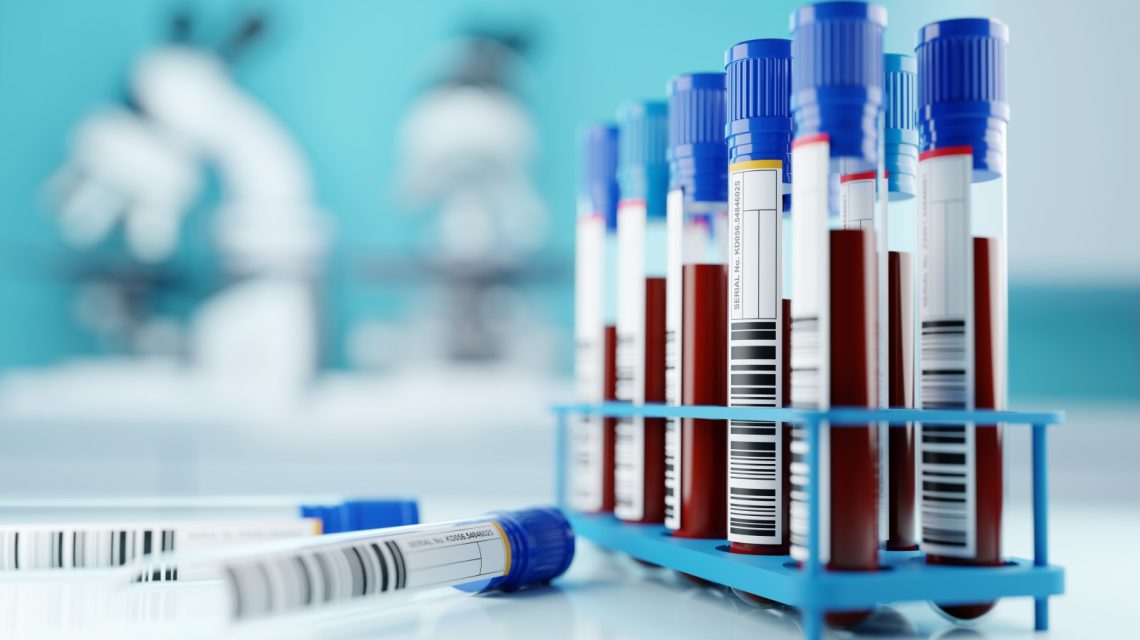
Recent research by scientists at the Korea Advanced Institute of Science and Technology (KAIST), Gangnam Severance Hospital, and Asan Medical Center suggests that a single blood sample taken before surgery could help identify colorectal cancer patients at higher risk of recurrence or metastasis. The study indicates that as colorectal cancer progresses, metabolic changes detectable in the blood occur.
Traditionally, individual amino acid levels are measured, but this research emphasizes the interaction network of these amino acids. The researchers found these patterns offer a more detailed view than previous methods relying solely on individual amino acid levels.
Amino acids are vital for cancer cell growth, protein synthesis, energy production, and DNA synthesis. Typically, studies have focused on the concentrations of amino acids in the blood. In contrast, this study analyzed the relationships among 18 amino acids using fluorine-19 nuclear magnetic resonance spectroscopy.
The research showed that as colorectal cancer advances, the amino acid network reorganizes. Changes indicate broader metabolic shifts, with branched-chain amino acids such as valine and leucine decreasing in prominence as the disease accelerates. Simultaneously, glycine and serine, important for DNA synthesis and rapid growth, increase.
The most significant discovery was the increased abundance of glycine in advanced colorectal cancer, signifying extensive metabolic remodeling. A glycine-centered interaction pattern was identified, reinforcing this hypothesis. These features were integrated into machine-learning models to identify patients at risk of recurrence or metastasis. Models based on amino acid interactions excelled over those using carcinoembryonic antigen (CEA), a common colorectal cancer blood marker.
Professor Ji Min Lee, the study lead, hopes the findings will aid in formulating precise treatment options. The team anticipates that these insights can foster precision medicine technologies for predicting recurrence risks accurately.
External experts deem the results promising but urge further validation before clinical adoption. Dr. Michael F. Driscoll from Norton Healthcare highlighted the need for larger studies to corroborate the method’s utility. He also mentioned the challenges of integrating new blood-based biomarker tests into clinical practice, primarily due to insurance coverage.
Gastrointestinal oncologists currently utilize circulating tumor DNA (CT-DNA) post-surgery to assess recurrence risk, regarded as the most sensitive and validated test available.
While not immediately ready for clinical use, these findings suggest that amino acid interaction patterns could be a valuable blood-based biomarker for monitoring colorectal cancer progression. This could identify patients at elevated risk of recurrence or metastasis.
The study’s co-first authors include Ji-Yeon Lee from the Graduate School of Medical Science and Engineering’s integrated master’s and doctoral program, and Dr. Jumi Kim, a postdoctoral researcher in the Department of Chemistry. Professors Ji Min Lee and Hyunwoo Kim of KAIST, and Professor Eun Jung Park, affiliated with Gangnam Severance Hospital and Asan Medical Center, are co-corresponding authors. The findings were published in Advanced Science on June 9, 2026.
 Concerns Over Food Safety and Its Impact on Families
  A Mother’s Tragic Journey Under Abortion Ban
  Medical Diagnosis Errors: Understanding the Crisis
  Lymphatic Drainage and Ice Sculpting: Emerging Wellness Trends
  The Rising Trend of GLP-1 Medications Among College Students
  The Challenges and Opportunities of Testosterone Therapy for Menopausal Women