Environmental activist Erin Brockovich has launched a national project after receiving numerous emails from concerned Louisiana residents about data centers. The surge of community inquiries inspired her to track issues related to these centers, which many Americans learn about only after construction begins.
Her comments arise amidst a growing national debate regarding AI-powered data centers. These facilities require substantial electricity and water for cooling servers. Brockovich stands as a prominent advocate highlighting local impacts, gathering thousands of resident reports indicating inadequate community awareness about planned projects.
Technology companies are swiftly developing infrastructure to support AI, leading to disputes over water use, energy demand, noise, and transparency in towns nationwide. During an appearance on Theo Von’s podcast, This Past Weekend, Brockovich detailed how a single community’s concerns led to a nationwide documentation effort around AI infrastructure expansion.
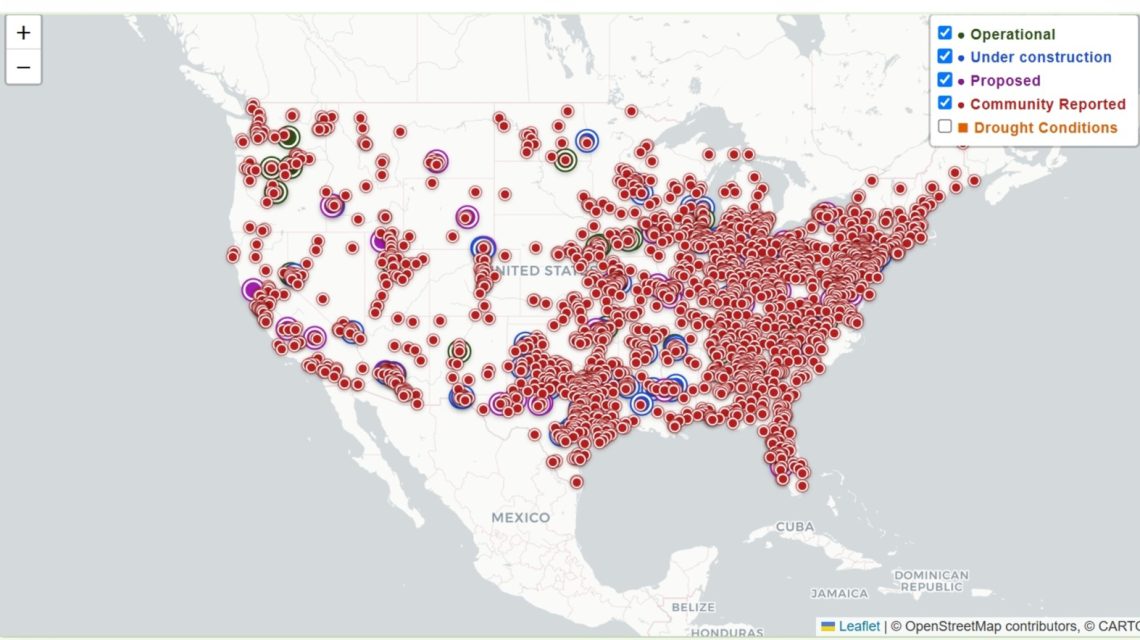
“I woke up one morning to 30 emails from the same community on the same issues regarding data centers,” Brockovich recounted. Her initial research revealed numerous unanswered questions. “I like to see the big picture and create maps,” she stated. This motivation led to the creation of BrockovichDataCenter.com, allowing self-reporting on data center issues by residents. This platform received substantial engagement, proving concerns extend beyond isolated communities.
The map crashed twice within 72 hours of its launch due to overwhelming usage, Brockovich noted. “On day three, I realized this issue expanded beyond one town or data center, affecting the entire nation.”
Since its introduction, the project has grown significantly. The map now features over 8,000 community-reported locations and numerous operational, proposed, and under-construction data centers nationwide.
Brockovich’s campaign emphasizes the environmental footprint of large data centers, which need extensive electricity and water for cooling. Residents report additional issues such as noise, land use, and effects on local infrastructure. Her website frequently lists concerns about water consumption, energy use, electronic waste, and community planning.
The map aims to provide communities with greater visibility into the rapid development across the U.S. Thousands of submissions reveal resident worries about nearby project proposals.
“People are frequently unaware until construction begins,” Brockovich said during the podcast. “They were not informed, and city council communications were lacking.” She also pointed out confidentiality agreements limiting public awareness in some areas.
While some communities do not oppose data centers, with developers highlighting economic benefits like construction spending and tax revenue, Brockovich stresses the need for transparency. In particular, she insists residents should understand potential impacts on local water and energy resources.
Who is Erin Brockovich?
Erin Brockovich gained international recognition for her role in building a case against Pacific Gas & Electric for groundwater contamination in California. Recently, she has directed her focus toward data centers amid escalating AI infrastructure development in the U.S. as part of global technological competition.
The 2000 film Erin Brockovich dramatized her battle for justice over Hinkley’s polluted water supply. Set in the early 1990s, the story follows her work as a legal clerk uncovering illnesses linked to toxic chromium-6 contamination from PG&E’s operations. This led to a historic $333 million settlement in 1996.
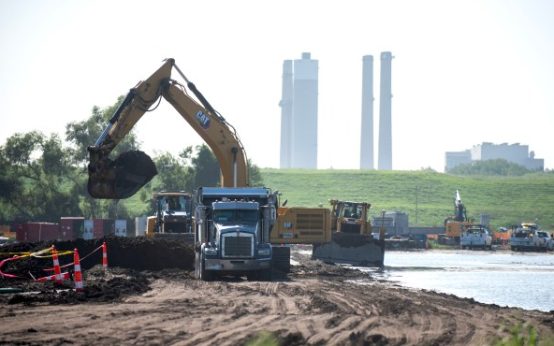 EPA Dismantles Greenhouse Gas Rules, Causing Concern
 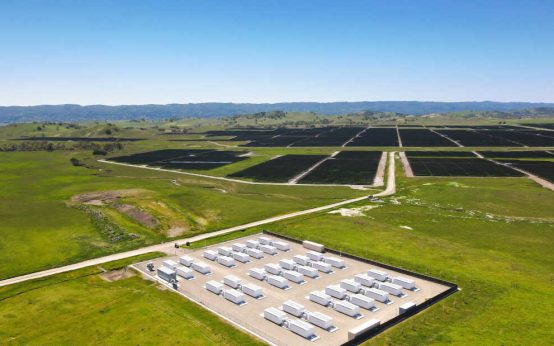 How Battery Innovations Transform Renewable Energy
  Data Centers Stir Controversy in Texas Amid Growth Boom
 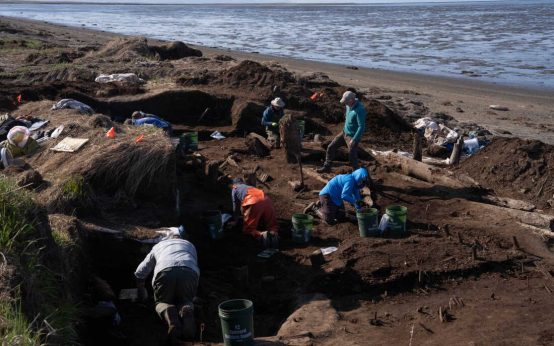 Urgent Archaeological Efforts in Quinhagak Stay Ahead of Erosion
  Concerns Rise Over NIPSCO Permit In Jasper County
  Reader Reactions on Grizzlies and Data Centers