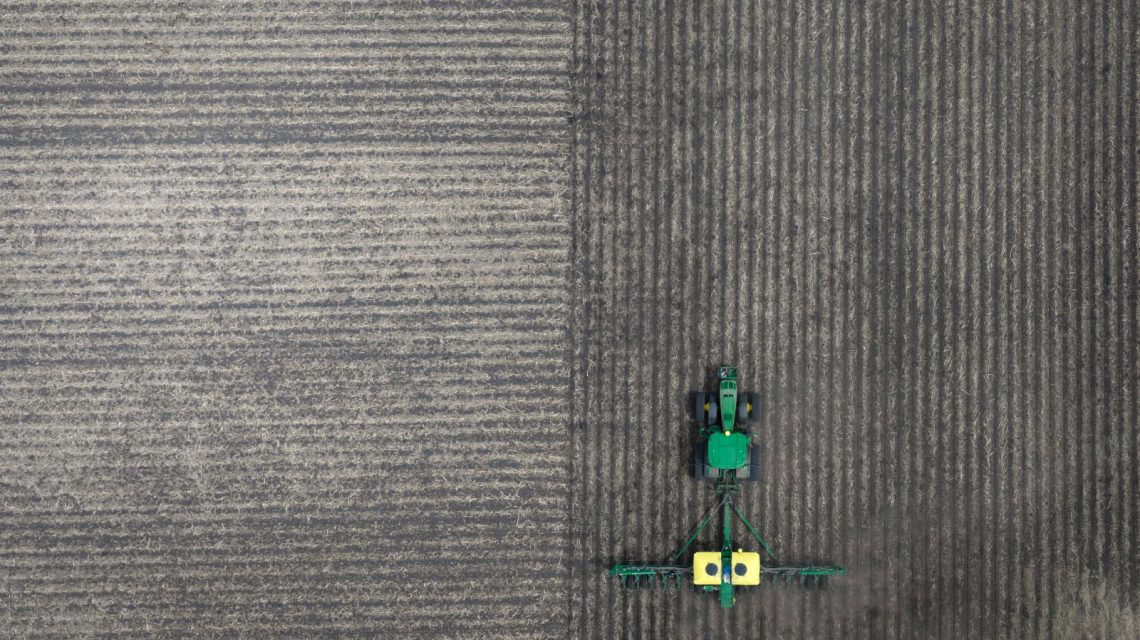
Iowa’s farm economy is facing significant challenges, with net farm income dropping 53% from 2022 to 2024. Row-crop producers are now dealing with a third year where production costs surpass crop prices. This downturn is notable for a state that has become a stronghold for the Republican Party in the Midwest. The economic strain may present an opportunity for Democrats in two closely watched statewide races.
Economic Struggles in Iowa’s Farming Sector
A report from Iowa State University, the Iowa Farm Bureau Federation, and the Iowa Bankers Association highlights that low commodity prices, high production costs, and ongoing uncertainty are impacting Iowa agriculture. Chad Hart, an agricultural economics professor at Iowa State University, states that the agricultural economy has been struggling for about three years, revealing a prolonged and significant downturn.
Agriculture’s Role in Iowa’s Economy
Agriculture remains a vital part of Iowa’s economy, contributing approximately $51.5 billion annually and accounting for about 19% of the state’s GDP. The report warns that ongoing agricultural weaknesses will not only impact producers but also rural communities, agricultural lenders, and other related businesses.
“Agriculture’s reach extends beyond direct production,” Hart noted. “It’s 20 to 25% of the state’s GDP connected to agriculture.”
Key Findings from the Report
The report’s notable finding is the 53% decline in net farm income from 2022 to 2024. Row-crop farmers face rising costs, with corn production costs up by 37% since 2021 and soybean costs up by 36%. Trade uncertainty remains significant, particularly regarding China’s tariffs on Iowa agriculture. John Crespi from ISU emphasized that various factors like inflation, tariffs, and trade add to the uncertainty affecting profits.
Political Stakes in Iowa
The economic issues in Iowa could influence political outcomes, particularly in races where Democrats Rob Sand and Josh Turek aim to win the governor’s office and an open Senate seat. Despite Iowa’s Republican lean, Sand leads Lahn in recent polls, and Turek is nearly tied with Hinson in the Senate race. Iowa’s competitiveness in these races is of interest to political strategists.
Implications for Voter Behavior
Democrats seek to capitalize on economic frustrations without expecting a large shift of farmers to their side. The strategy focuses on reducing Republican support in rural counties while boosting turnout in cities. Recent polls suggest such dynamics might make statewide races highly competitive.
Trump’s Influence
While Trump has maintained popularity among Republican voters, Democrats argue that economic concerns could influence down-ballot races. Though Trump’s tariffs and immigration policies aim to support American farmers, concerns about farm profitability and rural economic growth continue to challenge his standing.
Democratic campaigns are poised to intensify their messaging, particularly after Labor Day, focusing on the connection between economic issues and political choices impacting farm communities.
 Washington’s AI Concerns and the Promised Technological Future
  Efforts to Restrict Voter Registration Funding Trigger Concerns for Nonprofits
  American Workers’ Confidence and Economic Challenges
  Mary Peltola Challenges Sen. Dan Sullivan Over Rising Costs and Federal Aid
  Mitch Landrieu Considers Presidential Run Amid Shifting Political Landscape
  A Closer Look at the Pentagon’s Office of Strategic Capital