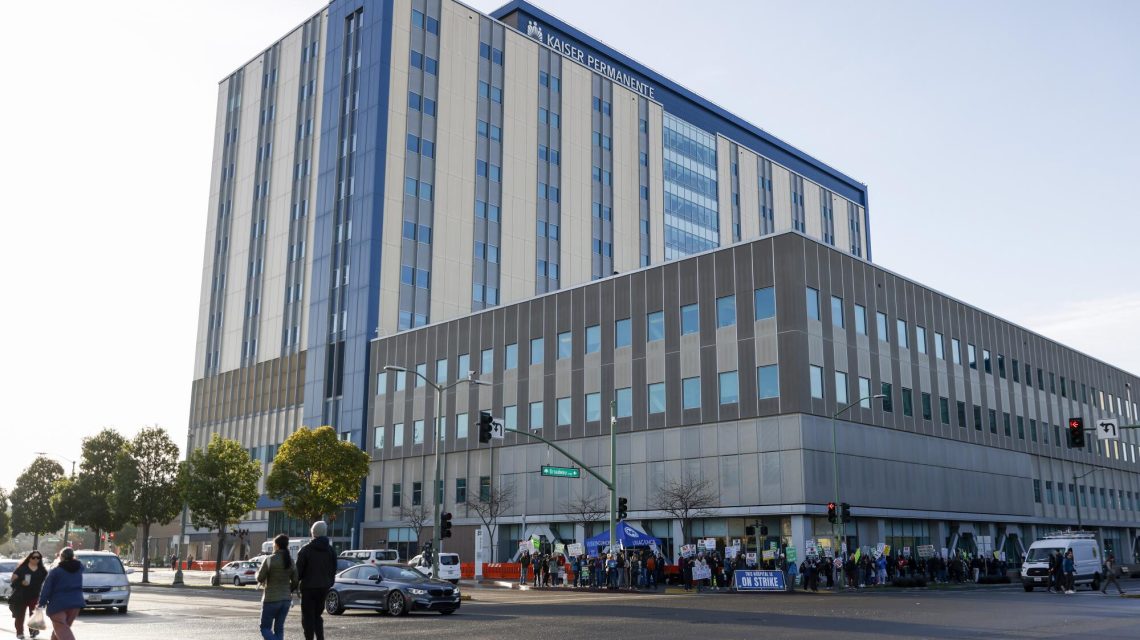
In 1997, the California Supreme Court criticized Kaiser Permanente for its arbitration system after Filipino immigrant Wilfredo Engalla alleged malpractice that went unresolved before his death. Kaiser faced allegations of ongoing delays and unfairness towards members. Although the company reformed its processes, questions about the system’s fairness remain.
Wilfredo Engalla claimed that Kaiser doctors misdiagnosed his terminal lung cancer as colds and allergies. His case highlights criticisms against Kaiser’s arbitration system, which persists today.
Persistent Concerns
Despite reforms, critics, including attorneys and legislators, argue that the arbitration system favors Kaiser. About 25% of Californians are insured by Kaiser. Assemblyman Robert Garcia, a Kaiser member, proposed a bill for state oversight of arbitrations. Kaiser defends its process as fair and impartial.
Unlike many companies, Kaiser uses its in-house arbitration system from 1971, allowing party disqualification of arbitrators without limit. Critics argue this lets Kaiser favor arbitrators. Physician and attorney Arlan Cohen points to financial incentives for arbitrators to rule in Kaiser’s favor. Kaiser disputes these claims.
David Allen Larson from the American Bar Association explains the ‘repeat player effect’: large companies gain advantages by frequently selecting arbitrators, unlike individuals filing single complaints. Alan Kang’s court petition criticizes the system’s bias, highlighting arbitrators’ incentives to favor Kaiser to secure future cases.
Kaiser’s Defense
Kaiser insists its arbitration process is fair and that arbitrators are chosen by both parties per legal requirements. Kaiser acknowledges the personal nature of cases and takes raised concerns seriously.
Reforms include an Independent Administrator’s Office, selecting arbitrators from a panel of retired judges and lawyers. Both parties can reject arbitrators during selection. Arbitrators are randomly selected, with parties ranking preferences for the final choice.
Current Statistics
In the previous year, Kaiser’s arbitration system handled 529 cases. It ruled in favor of Kaiser in 19 out of 23 hearings. Patients withdrew 20% of claims, often representing themselves without legal assistance. Settlements occurred in 57% of cases, remaining confidential.
Safety Concerns
Kaiser’s arbitration system’s confidentiality raises concerns about public awareness of safety issues. Arbitration proceedings’ secrecy may conceal problematic practices. The California Research Bureau warned about this effect in 2000.
In December 2023, after 53-year-old Francisco Delgadillo’s death waiting in a Kaiser ER, a state investigation found regulatory violations. The subsequent arbitration claim was confidentially settled.
Ongoing Calls for Reform
Despite changes post-1997, complaints persist. Stephen Martinez supports reform legislation for state-regulated arbitrations. Assembly Bill 1770 would involve the attorney general to ensure fairness.
Janene Fowler’s case sheds light on missed medical diagnosis issues. After developing disabling symptoms, she experienced delays in receiving essential treatment. Arbitration ruled against her, siding with Kaiser doctors, contradicting other medical records.
Fowler expresses frustration with Kaiser’s system. Kaiser declined to comment, citing patient privacy rights. She questions the possibility of justice within a system controlled by Kaiser.
 Concerns Over Food Safety and Its Impact on Families
  A Mother’s Tragic Journey Under Abortion Ban
  Medical Diagnosis Errors: Understanding the Crisis
  Lymphatic Drainage and Ice Sculpting: Emerging Wellness Trends
  The Rising Trend of GLP-1 Medications Among College Students
  The Challenges and Opportunities of Testosterone Therapy for Menopausal Women