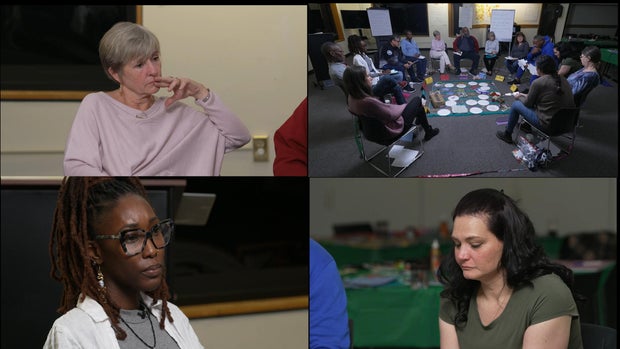
This week, CBS News’ ’60 Minutes’ featured a report by correspondent Lesley Stahl about Healing Justice, a nonprofit dedicated to aiding those affected by crimes and wrongful convictions. The organization brings together a diverse group for a three-day retreat aimed at healing the deep wounds inflicted by miscarriages of justice.
The Healing Process
The retreat includes writing exercises, group discussions, and art therapy. These activities encourage participants to openly share their pain and loss, better understand their feelings, and gain insight into each other’s experiences. Stahl noted, “They come in with impacted emotions: bitterness, guilt, sadness,” reflecting on the beginning of transformation observed over the weekend.
With the support of Healing Justice, ’60 Minutes’ filmed the emotional journeys of the participants during the retreat. Stahl, along with producer Shari Finkelstein, discussed their previous coverage of the program’s founder, Jennifer Thompson, and the thoughtful approach they took in documenting this story.
The Story of Jennifer Thompson
Jennifer Thompson, a rape survivor involved in a wrongful conviction case, founded Healing Justice. In 2009, ’60 Minutes’ covered her experience and the challenges with eyewitness identification procedures in a story titled “Eyewitness.” At the age of 22, Thompson was attacked in her home and mistakenly identified Ronald Cotton as her assailant. Her testimony led to his conviction, sentencing him to life in prison plus 50 years.
After serving 11 years, Cotton was exonerated through DNA evidence, revealing Bobby Poole as the actual attacker. Thompson was devastated upon learning of her mistake but sought forgiveness from Cotton, which helped her begin to heal. “The minute he forgave me, it’s like my heart physically started to heal,” she shared.
The Challenges of Eyewitness Testimony
Finkelstein highlighted studies showing that when the real perpetrator is absent from a lineup, eyewitnesses may choose the person who most resembles the assailant. This misidentification often compounds, with the victim becoming more convinced of their choice as they repeatedly see the same face in lineups and courtrooms.
Filming and Documenting ‘Healing Justice’
Finkelstein maintained contact with Thompson and learned about the Healing Justice retreats. Filming these personal and emotional events required careful planning and respect for participants’ trauma. ’60 Minutes’ conducted interviews before and after the retreat, capturing the profound changes some participants experienced.
Photographers set up multiple cameras to unobtrusively film the group sessions, allowing editors to create a comprehensive view of the interactions. This setup provided insight into the participants’ reactions and emotional breakthroughs.
Personal Stories of Transformation
Loretta Zilinger White, a participant who had been raped at 15 and involved in a wrongful conviction case, struggled with the face of the wrongfully accused in her mind despite DNA evidence exonerating him. Another participant, Raymond Towler, spent 29 years wrongfully imprisoned for rape before a DNA test proved his innocence, leaving him fearful of ongoing judgment.
During an intense conversation captured late one evening at the retreat, Zilinger White and Towler shared their experiences, highlighting the emotional depth of the program. By the retreat’s end, Zilinger White exhibited significant emotional transformation, demonstrating the retreat’s impact despite Thompson’s reminder that healing is an ongoing process.
 Artist Speaks Out on Rare Condition Impacting Her Career
 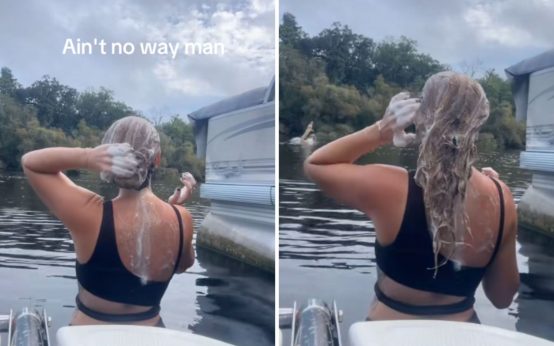 Surprising Encounter with Gulf Sturgeon in the Suwannee River
  Retired Navy Petty Officer Reflects on National Anthem Performance
  Young Chinese Girl Sets World Record in Rubik’s Cube Speedcubing
 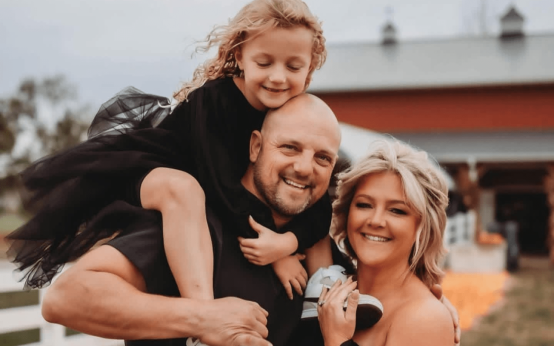 Life Through Cancer: A Family’s Journey of Love and Resilience
  ICE Officer’s Shooting of Venezuelan Driver Without Body Camera Raises Concerns