Sean Davis, CEO and co-founder of The Federalist, along with comedian Joe Machi, argues for the permanent implementation of daylight saving time. Davis humorously describes mornings as unnecessary, emphasizing the desire for afternoon sunlight when more people are active. Machi mentions the safety and enjoyment it provides children, allowing them visibility in the evening when they are picked up from after-school activities.
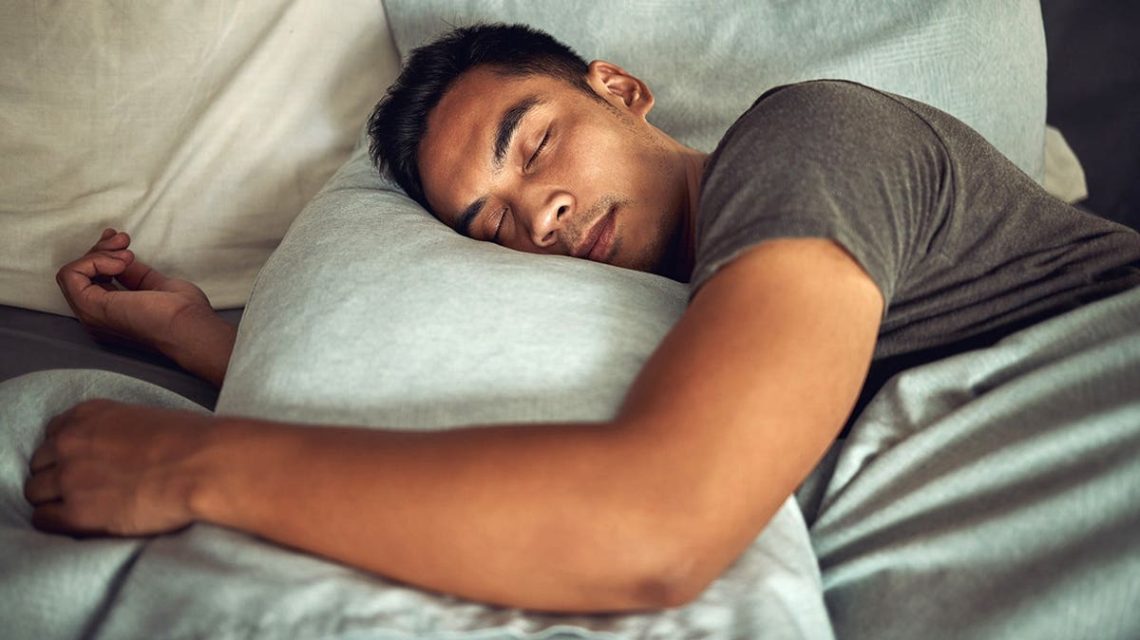
New research suggests that spending more time in bright daylight could help individuals fall asleep earlier and achieve deeper sleep. A study conducted by researchers at the University of Manchester discovered that adults with increased and consistent daytime light exposure tend to go to sleep and wake up earlier, experiencing more deep sleep initially. The findings, published in the journal NPJ Biological Timing and Sleep, utilized data from 89 adults collected over 500 days, each equipped with light sensors and sleep trackers, alongside sleep diaries.
Participants exposed to more bright daylight generally had earlier sleep and wake times compared to those with less light exposure. Consistent daylight exposure resulted in healthier sleep timing and more profound sleep early in the night, according to the study.
Jennifer Martin, Ph.D., a clinical psychologist and professor at Florida International University’s Herbert Wertheim College of Medicine, stated the findings confirm existing knowledge about light’s effect on the body’s internal clock. She explained that light influences human sleep through a specific pathway beginning with the eye. Martin noted, “When light reaches specific cells in the retina, it signals the brain that it’s daytime, indicating we should be alert and active.” She was not involved in the research.
Morning light is particularly beneficial in maintaining a consistent sleep-wake cycle. Martin recommends spending time outside early in the day to take advantage of sunlight’s benefits. “Early exposure to sunlight is excellent for promoting healthy sleep,” she stated. “Regular morning light helps individuals feel sleepy at a consistent time each evening, fostering a strong sleep routine.” Limiting bright light in the evening also contributes to improved sleep, according to Martin.
To enhance sleep quality, Martin advises avoiding bright light in the two hours before bedtime and maintaining a regular wake-up time. “Variations in wake time exceeding about one hour can create ‘jet lag’ effects, making regular sleep more challenging,” she explained. Adults should aim for at least seven hours of sleep nightly and seek specialist advice if chronic sleep issues persist.
Though the study highlights positive associations between bright daytime light and healthier sleep, researchers acknowledge limitations. The research indicates a correlation between daytime light exposure and sleep patterns without establishing causality. Furthermore, light exposure was measured via wrist-worn devices rather than at the eyes, where it directly impacts the internal clock. The study also did not consider factors such as physical activity or meal timing that might influence sleep.
Fox News Digital has reached out to the study’s researchers for comments.
 Lymphatic Drainage and Ice Sculpting: Emerging Wellness Trends
  The Rising Trend of GLP-1 Medications Among College Students
  The Challenges and Opportunities of Testosterone Therapy for Menopausal Women
  Concerns Rise Over NIPSCO Permit In Jasper County
  Long-Term Health Impacts of 9/11 and the Continuing Response
  Mental Health Challenges for Women with Type 2 Diabetes