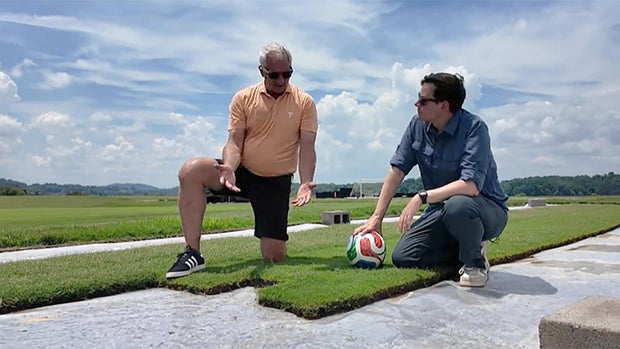
This year’s World Cup has set new viewership records, with the final match between Spain and Argentina expected to draw unprecedented numbers. The tournament has sparked interest in soccer across the United States, with many Americans tuning in. One Tennessee resident, Dr. John Sorochan, finds the event as captivating as watching grass grow, a compliment coming from someone of his expertise.
Turf Science at the Forefront
Dr. Sorochan, a distinguished professor in Turfgrass Science at the University of Tennessee, Knoxville, has been instrumental in preparing quality surfaces for players. His work emphasizes the significance of the pitches, viewing them as the canvas for the athletes to perform. He notes the last men’s World Cup final was watched by 1.8 billion people worldwide, yet the intricate work on the playing field often goes unnoticed.
For the past five years, the University of Tennessee has partnered with Michigan State University on the FIFA Pitch Research Project. This year’s World Cup, the largest yet, boasts 104 matches across 16 stadiums spanning three countries. Each venue complies with FIFA’s mandate to use high-quality natural grass.
Challenges and Innovations
With varying elevations and climates, stadiums cannot use the same grass species universally. Engineered sod is transported from farms nationwide, sometimes overlying existing artificial fields. For instance, the grass at New Jersey’s MetLife Stadium, where the final is held, originates from North Carolina.
The challenge intensifies for stadiums with domes. To address this, FIFA has constructed an indoor growing facility on the Tennessee campus to examine grass’s reactions to grow lights, which illuminate the grass for up to 14 hours daily to ensure its vitality throughout the tournament.
Testing and Technology
Dr. Sorochan spent years testing grass resilience. He co-developed a robot that simulates the force exerted by soccer players, ensuring the pitch provides consistent and reliable play. His research extends to studying how soccer balls roll and bounce on different grass types, aiming for a consistent low bounce for optimal control.
Sod varies from traditional Meyer Zoysia to drought-tolerant TifTuf Bermuda, commonly used in golf courses and sports fields. Local collaborations, such as with Brad Jean of Crossroads Sod Farm, are crucial. Jean’s farm benefits from the university’s expertise in tackling issues like diseases that affect the grass.
The Preference for Natural Grass
In sod farming, valued at approximately $2.2 billion, the debate continues over artificial turf versus natural grass. Jean highlights the comfort and environmental advantages of grass, citing studies that link natural surfaces with lower injury rates compared to artificial ones.
Dr. Sorochan believes grass enhances the gameplay and its aesthetics. He emphasizes the natural flow of soccer on grass fields, which adds beauty to the game.
Sod as a Souvenir
Post-World Cup, enthusiasts can purchase a slice of the final match’s grass for $450, allowing fans to bring a piece of the tournament home.
For further information, contact Dr. John Sorochan at the University of Tennessee. Explore the FIFA Pitch Research Project or visit Crossroads Sod Farm on Facebook.
 Dallas Cowboys Defeat Washington Commanders Amid Player Injury
 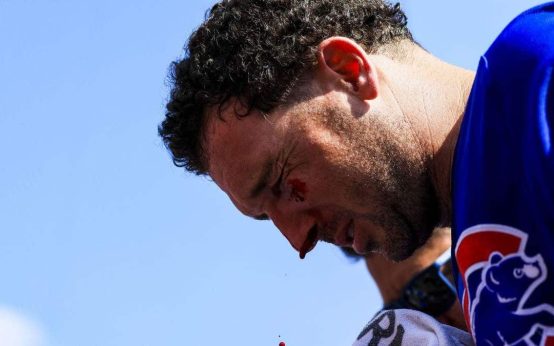 Chicago Cubs’ Alex Bregman Suffers Facial Injury from Foul Ball
  Washington Commanders Face Major Setback as QB Jayden Daniels Suffers Elbow Injury
 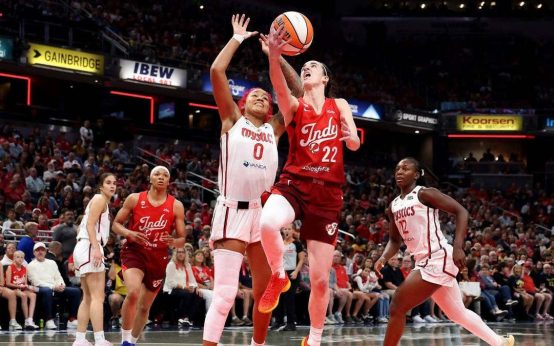 Indiana Fever’s Struggles Against Washington Mystics
  New York Jets Fall to Green Bay Packers After Fourth-Quarter Collapse
  Washington Commanders’ Jayden Daniels Faces Potentially Season-Defining Elbow Injury