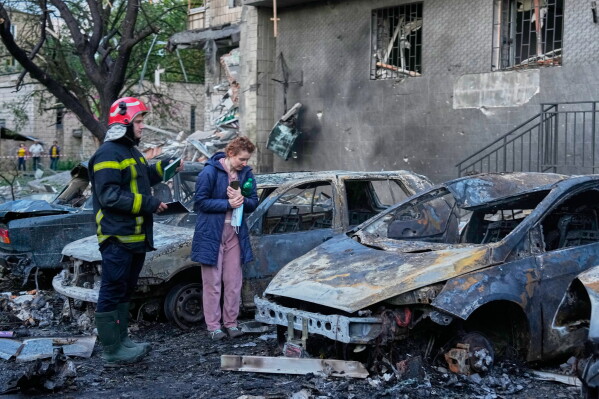
Escalation with Iran
The U.S. military launched airstrikes targeting Iran’s Revolutionary Guard in retaliation for the killing of American troops in Jordan. This marks an escalation in hostilities between the two nations after an interim peace deal fell apart. The airstrikes are part of a broader offensive that has unfolded over the past week, beginning with a struggle for control of the Strait of Hormuz.
Targets in Iran
The U.S. targeted infrastructure in Iran, including bridges and electrical facilities. Iran retaliated by hitting power and desalination plants in Kuwait, affecting daily life there. As tensions rise, Iran has expanded its threats to retaliate further, prompting warnings from the United Arab Emirates. In response, Kuwait and Bahrain have activated air defenses against potential Iranian drones and missiles.
U.S. Military Action
The U.S. Central Command reported targeting Iranian coastal surveillance and air defense facilities, along with missile and drone sites. The strikes aim to weaken Iran’s control over the Strait of Hormuz and target the Revolutionary Guard, a key element of Iran’s military power. Footage released showed attacks conducted by fighter jets and Tomahawk cruise missiles, with one strike occurring in a mountainous valley.
Since this conflict’s inception, Iran claimed significant casualties from U.S. attacks, with 50 Iranians killed and more than 500 wounded. Conversely, the U.S. reported two American service members killed in Jordan, one missing, and several injured.
Iran’s Threats and Gulf States’ Response
Iran issued threats against the UAE, suggesting the evacuation of key cities like Dubai and Abu Dhabi should strikes on Iranian civilian infrastructure continue. The UAE Foreign Ministry urged restraint to prevent further violence, condemning attacks on civilian infrastructure as violations of international law. Both Saudi Arabia and the UAE have conducted retaliatory strikes against Iran during the conflict.
Strategic Importance of the Strait of Hormuz
The Strait of Hormuz remains central to the conflict. The U.S. plans to target Iranian power stations and bridges to pressure Tehran to ease its control over the strait. Recently, the U.S. reinstated a naval blockade on Iranian ports to curtail the country’s oil shipments, with multiple ships redirected and one disabled since the blockade began.
Iran’s Supreme Leader, Mojtaba Khamenei, warned of severe consequences if the U.S. persists in its attacks. Meanwhile, Tehran has suspended its commitments to the interim peace deal aimed at permanently ending the conflict, citing U.S. aggression.
 Tibet-Nepal Flood Crisis and its Wider Implications
  U.S. Allies Question American Reliability Amid Global Tensions
  Pope Leo XIV’s Pilgrimage to Lourdes and His Stand Against Assisted Suicide
  Challenges in Negotiating an End to the Iran Conflict
 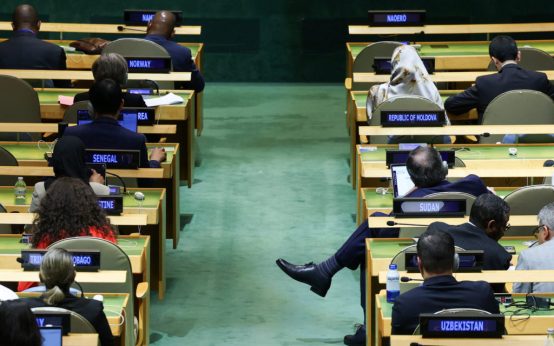 World Leaders Quote Diverse Sources at U.N. General Assembly
 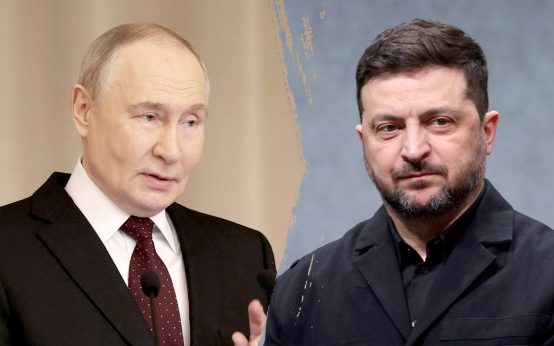 Dialogue for Peace: Ukraine-Russia Conflict and Diplomatic Efforts