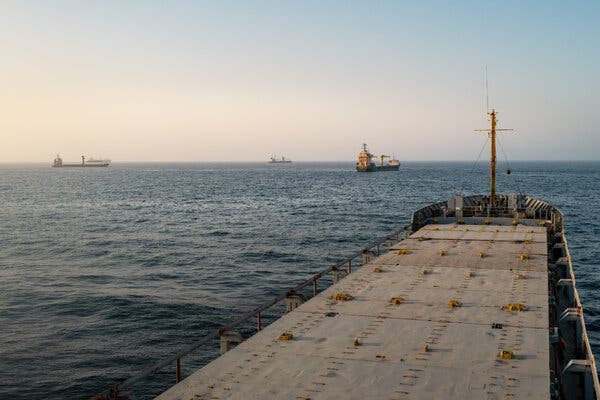
A London-based research group has proposed forming a coalition to share control of the Strait of Hormuz. This idea draws inspiration from a defunct European pact on coal and steel.
In July 2026, oil tankers and cargo vessels were anchored off Oman’s coast during an effective blockade. Tensions between the United States and Iran have heightened, shifting focus to Iranian control over the Strait of Hormuz. This area governs one-fifth of the global oil supply. Amidst ongoing conflict, shipping has sharply declined due to Iranian strikes.
Military analysts argue that opening the narrow passage with force during conflict is dangerous and futile. Despite assurances from President Trump about open passage, diplomacy has stalled.
An analytical group has suggested a compromise for the Persian Gulf, modeled on an old treaty governing post-WWII coal and steel production in Europe. The group advocates treating the Gulf as a shared territory, charging nominal fees to oil tankers for maintenance. This approach could align with international law and meet Tehran’s demands for enhanced control. All eight states bordering the Gulf would have a stake in peace maintenance.
Esfandyar Batmanghelidj, founder and CEO of the Bourse & Bazaar Foundation, emphasized cooperation as a pathway to lasting regional peace. Speaking in a phone interview, he noted, “Until we get this more basic kind of cooperation right, we’re not going to be able to move forward on the bigger things.”
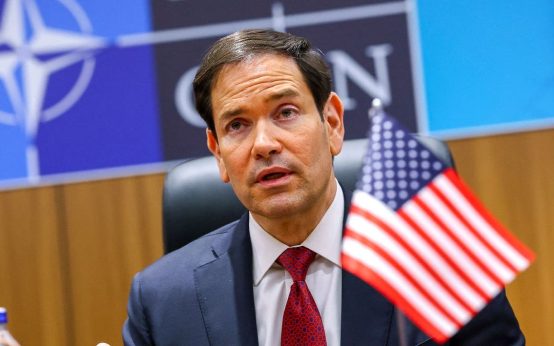 Secretary Rubio Discusses Middle East Conflict and NATO Relations
  Israeli Leader’s Upcoming U.N. Assembly Speech Marked by Controversy
  United States Secures Arctic Defense Pact
 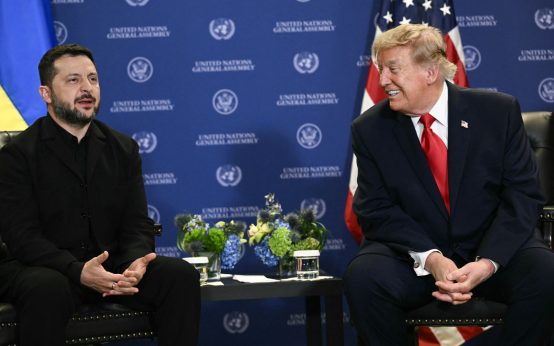 Trump’s Engagements at the UN: Focus on Ukraine and White House Developments
  Trump Administration to Admit 17,500 Afrikaner Refugees from South Africa
 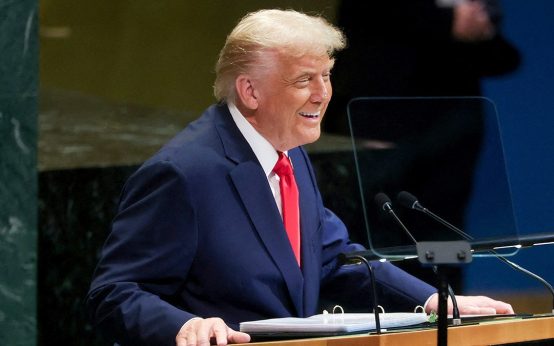 Trump’s Vision for Global Security: Iran, AI, and the Role of the U.S.