The United States and Iran have intensified their confrontation over the strategic Strait of Hormuz, with both sides exchanging strikes on infrastructure and military targets. The conflict has escalated significantly, with the collapse of an interim ceasefire leaving no resolution in sight after a war initiated over four months ago.
According to the U.S. Central Command, the latest strikes targeted surveillance sites, military logistics, underground weapons storage, and maritime assets. These attacks mark the seventh consecutive night of military action. Several regional countries, such as Kuwait, Iraq, Jordan, and Bahrain, have intercepted Iranian missiles and drones, highlighting the widespread reach of the conflict.
Kuwait confirmed the interception of Iranian missiles and drones; Iraq downed attack drones over Irbil.
The Iranian government reported that U.S. strikes have resulted in numerous casualties, with dozens killed and hundreds injured. Iran’s strategic closure of the Strait of Hormuz has resulted in increased oil prices, providing Tehran with leverage in negotiations. Oil prices recently rose to over $86 a barrel due to reduced crossings through the strait.
President Trump addressed the American public, assuring them of positive developments in the conflict against Iran. The U.S. had previously engaged in nuclear program talks with Iran, but Trump now faces pressure to end the prolonged conflict.
Impact on Iran’s Infrastructure
U.S. airstrikes have targeted essential infrastructure in Iran, including bridges in Hormozgan province. Notably, the strikes focused on Bandar Khamir to disrupt connections between Iran’s main port, Bandar Abbas, and the capital, Tehran. Iran’s Energy Ministry has urged southern provinces to conserve energy due to attacks on power infrastructure.
Iranian state media reported at least 46 fatalities and over 400 injuries from recent U.S. strikes.
Recent strikes also caused the collapse of a key port tower at Chabahar, affecting a significant trade route for Afghanistan. The U.S. military stated the tower was part of a maritime surveillance network run by Iran’s Revolutionary Guard.
Explosions have been heard across Iran, including in Ahvaz, Lar, Yazd, and Sirik, as the conflict escalates.
Iranian Retaliation and Regional Impact
In retaliation, Iran launched missile strikes targeting Qatar, Bahrain, and Kuwait. Kuwait reported damage to a desalination plant crucial for the country’s water supply. Iraqi Kurdish regions also faced attacks, targeting dissident groups like Komala.
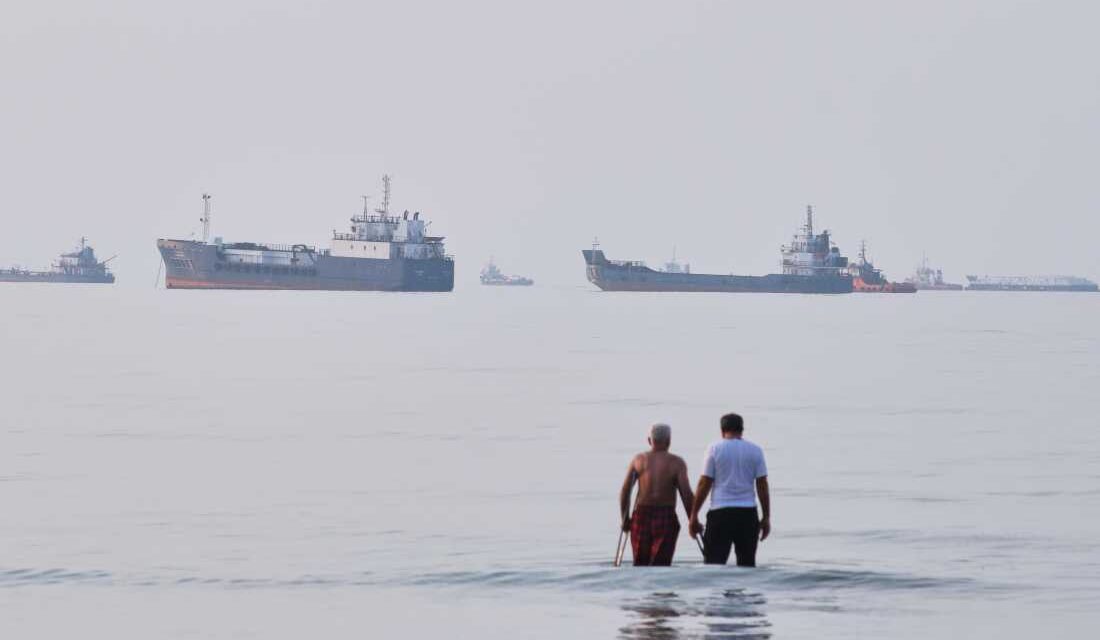
Iran has consistently aimed at commercial ships in the Strait of Hormuz. A British report confirmed a recent tanker attack that left it lightly damaged. Iran continues to assert control over the strait, demanding fees from vessels, despite international recognition of it as shared waters.
Meanwhile, the U.S. has reinstated a naval blockade to halt Iran’s oil shipments. Recent data showed a decline in traffic through the strait, while pipelines are insufficient to offset shipping losses.
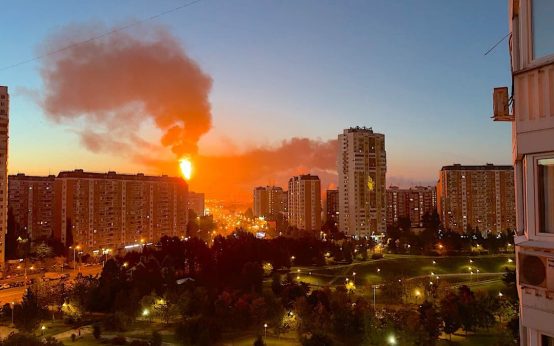 Ukraine Missile and Drone Barrage Hits Russia Amidst Elections
  U.S. Strategic Goals Remain Unmet Amid Prolonged Conflict
  New Photos Reveal Damage from Iranian Strikes in the Middle East
  Assassin of Chilean Diplomat Orlando Letelier Faces Deportation 50 Years After Assassination
  Gorillaz and Macklemore Respond to Controversy Over Israel-Palestine Statements
  Investigation into Lion Deaths in Tanzania