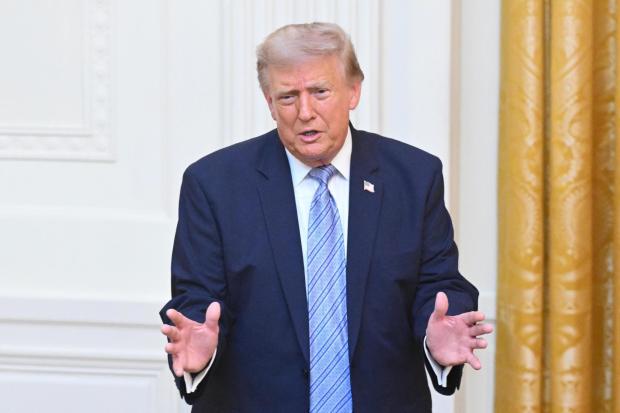
President Trump’s Claims about Election Security
In a national address on Thursday evening, President Donald Trump emphasized the importance of secure elections in the United States. He expressed a commitment to using federal power to prevent electoral theft. However, a key feature of U.S. elections is their decentralized nature. This structure involves over 10,000 individual election jurisdictions, each governed by state and sometimes local rules. Decentralization complicates the election process but also improves security by reducing the risk of widespread fraud. When misconduct occurs, which is rare, established security protocols can detect it.
Decentralized elections have historical roots in America’s founding.
The Decentralized Structure of U.S. Elections
The decentralized voting system in the U.S. exists due to the Founding Fathers’ decision to allocate election authority to the states. While Congress can regulate elections, as seen with laws like the Voting Rights Act, the Constitution assigns states the primary role in determining election logistics. The U.S. lacks a national election agency to manage presidential contests, unlike many other countries. Local officials, often clerks or election supervisors, manage the daily operations of elections with the help of staff and volunteers.
Different election laws across states can cause confusion, but experts view this diversity as beneficial. To succeed in fraudulently altering a presidential election, as Trump claimed happened in 2020, extensive cooperation among election workers across competitive counties would be necessary. These individuals would need to risk severe legal consequences and coordinate with bipartisan officials willing to ignore misconduct. Keeping such a conspiracy secret is highly unlikely.
Security Measures in Place
Despite differences, shared practices and security measures across the nation help ensure voter eligibility and prevent tampering. Instances of voter fraud, such as casting multiple ballots or voting under a false identity, do occur but are rare. Laws impose heavy fines and imprisonment for such offenses. Non-U.S. citizens breaching election laws face deportation.
Election systems include various protective layers. Most states require some form of voter identification at polls, while others verify identity through name, address, or signatures. Absentee voting demands a voter’s signature with added precautions like bipartisan signature verification, notarization, or witness signatures. These checks help identify fraudulent activities, such as a wrongly mailed ballot being returned.
Findings on Voter Fraud in the 2020 Election
Trump continues to assert he won the 2020 election, despite losing to President Joe Biden. An Associated Press investigation in 2021 examined voter fraud claims in six contested states. It uncovered fewer than 475 cases, insufficient to alter the election outcome. Trump’s allegations of widespread fraud have faced rejection from judges, state election officials, and an agency within his administration’s Homeland Security Department. In 2020, then-Attorney General William Barr, a Trump appointee, confirmed that no substantial evidence of fraud had been found, noting, “To date, we have not seen fraud on a scale that could have effected a different outcome in the election.”
 American Public Opinion on Press Freedom
  Media Lawsuit Against Trump Administration for White House Ban
  The Cost of Challenging Beijing
 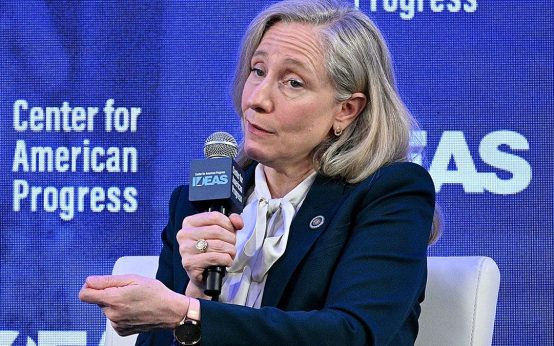 Analyzing Midterm Elections and Party Dynamics
 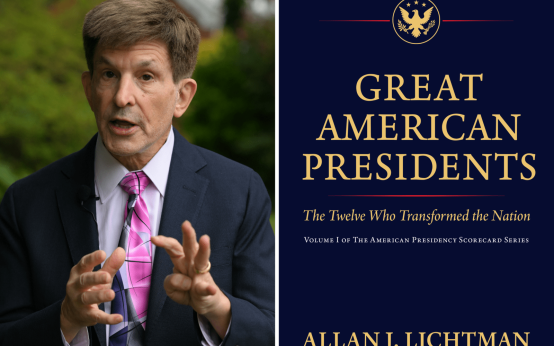 Allan Lichtman’s Framework for Assessing Presidential Greatness
 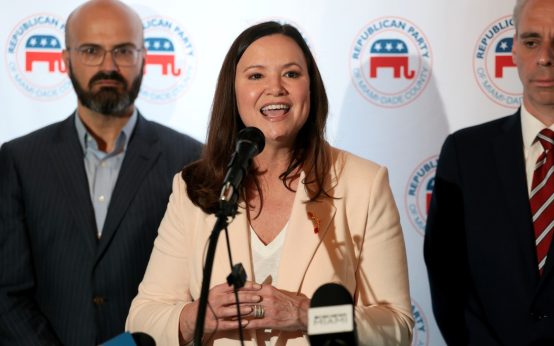 Florida Senate Race Tightens as Recent Polls Show Dead Heat