
The recent civil rights decisions by the Supreme Court have drawn varied interpretations. The article published on July 14, titled “‘Colorblind Constitution’ concept underlies key Supreme Court decisions,” highlighted how the concept of a colorblind Constitution has been perceived as a conservative ideology gaining prominence through a Supreme Court shifting to the right. However, this interpretation presents challenges when considering the historical context discussed in the article.
The notion of a colorblind Constitution suggests that laws and policies should not differentiate based on race. This idea, while often seen as a conservative principle, has longstanding roots in American legal debates. The recent decisions by the Supreme Court have renewed discussions on this concept and its application in contemporary civil rights cases.
Meanwhile, the imagery of the Lafayette Square fence remains a powerful symbol in public discourse, reflecting ongoing tensions around civil rights demonstrations. This symbolism resonates with readers who view these events in connection with constitutional principles. The decisions handed down by the Court are seen as pivotal moments in the broader context of civil rights and societal change.
These developments continue to spark debate among legal scholars, policymakers, and the public. The implications of applying a colorblind approach to constitutional interpretation could influence future legal decisions and social policies. As this discussion evolves, its impact on civil rights legislation and protection remains a crucial area of focus.
 Media Outlets Sue After White House Ban
  American Public Opinion on Press Freedom
  Media Lawsuit Against Trump Administration for White House Ban
  The Cost of Challenging Beijing
  Analyzing Midterm Elections and Party Dynamics
 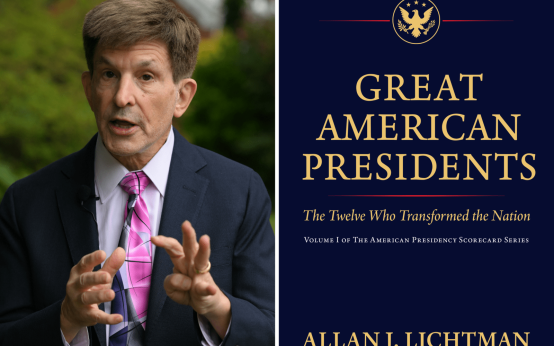 Allan Lichtman’s Framework for Assessing Presidential Greatness