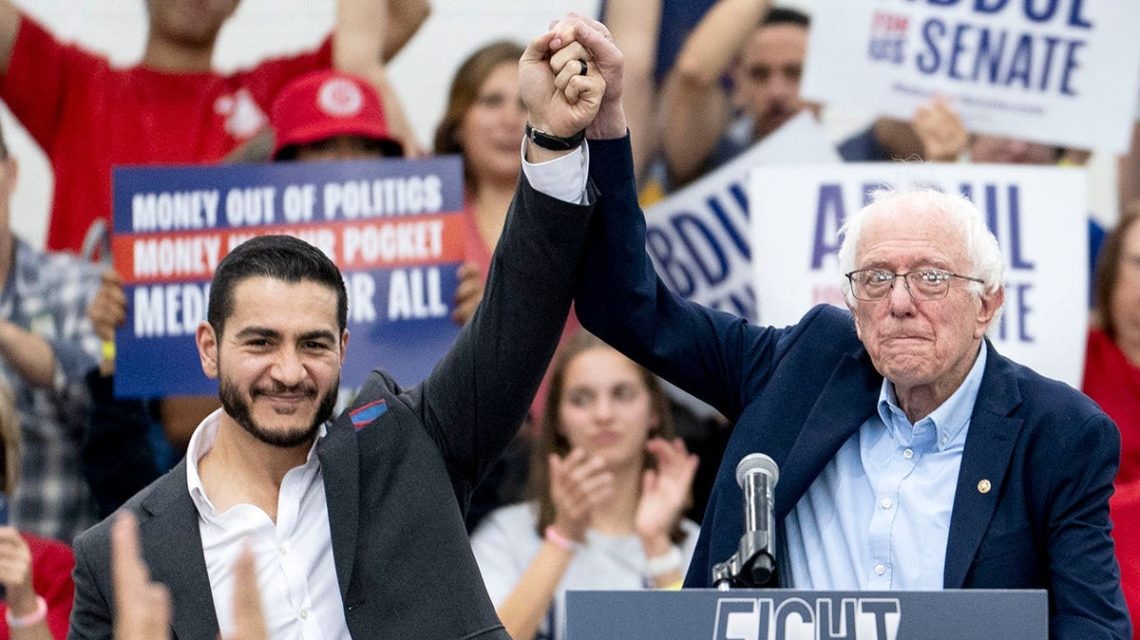
The Michigan Democratic Senate primary showcases a stark ideological divide within the party. This contest is between moderate Representative Haley Stevens and progressive Abdul El-Sayed. Polls indicate varied support among different demographics, with Stevens at the forefront among Black voters, while El-Sayed is favored by White and college-educated voters.
Prominent progressive figures, Senator Bernie Sanders and Representative Alexandria Ocasio-Cortez, are actively campaigning in Michigan to support Abdul El-Sayed. They plan to make several stops with El-Sayed, who is competing against Stevens, endorsed by Senate Democratic Leader Chuck Schumer.
The primary gained further attention after recent victories for far-left candidates in New York City and Colorado. Michigan emerges as a pivotal battleground, reflecting the broader struggle between left-wing and center-left factions for the Democratic Party’s direction.
Veteran Democratic strategist Joe Caiazzo remarks, “The stakes are hugely significant because Democrats need to retain the seat in November.”
The winner of the August 4 primary will face former Republican Representative Mike Rogers in the Senate race to succeed retiring Democratic Senator Gary Peters. This open Senate seat is crucial for both parties in the midterm elections, with Republicans targeting it as a key opportunity.
The race narrowed after progressive state Senator Mallory McMorrow exited the contest. Initially a notable contender, McMorrow struggled to match Stevens and El-Sayed in terms of campaign momentum, leading to her decision to step aside.
In a recent poll conducted by Detroit News/WDIV, Stevens held a seven-point lead over El-Sayed following McMorrow’s withdrawal and a debate between the two candidates.
El-Sayed is notable for potentially being the nation’s first Muslim senator if elected. His campaign emphasizes Medicare-for-all, abolition of ICE, and critiques of Israel’s actions in Gaza, challenging the Democratic establishment.
Conversely, Schumer and the party establishment consider Stevens more electable, with concerns about El-Sayed’s past remarks affecting the party’s prospects in a state with recent Republican victories.
Peters, having maintained neutrality, lent his endorsement to Stevens earlier this week.
The primary’s dynamics have intensified.“If you want your politics dictated by AIPAC, then I’m not your guy,” El-Sayed argued during the debate.
Stevens accused El-Sayed of benefiting from Republican funding, raising concerns about his potential impact on the Senate race with Mike Rogers.
Campaign spending plays a significant role in this primary, with major contributions from outside groups. The United Democracy Project, connected to AIPAC, has spent nearly $15 million in favor of Stevens.
Sanders remarked, “It’s not a race between Abdul and Stevens, but Abdul against AIPAC. Let’s support Abdul.”
El-Sayed’s potential victory offers considerable momentum for the far-left movement. However, Matt Bennett of Third Way cautions against overestimating the primary’s significance on the national stage due to Michigan’s unique demographic factors.
Caiazzo, emphasizing diverse electoral circumstances, also advised against interpreting the Michigan primary as a definitive shift in the Democratic Party.
 The Cost of Challenging Beijing
  Analyzing Midterm Elections and Party Dynamics
 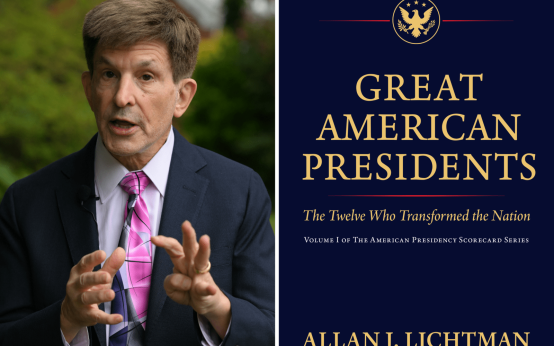 Allan Lichtman’s Framework for Assessing Presidential Greatness
 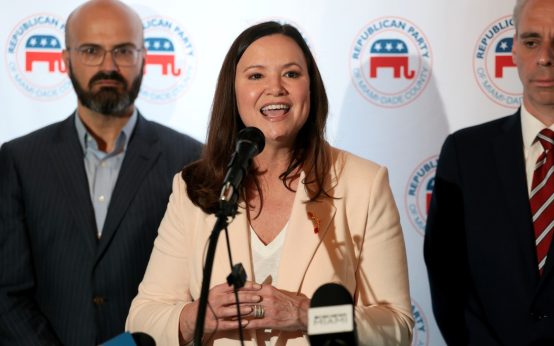 Florida Senate Race Tightens as Recent Polls Show Dead Heat
  Ethics Complaint Targets Colorado Representative Lauren Boebert
  Ken Paxton’s Campaign Funding and Polls