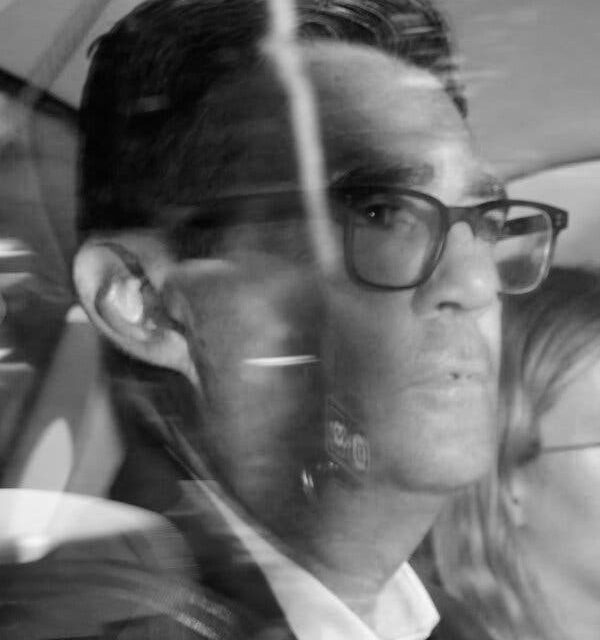
Britain’s political landscape is familiar with change, and Andy Burnham has become the seventh prime minister in a decade. A former member of the New Labour governments, he transitioned from being a ‘feel-good’ mayor to the leader tasked with restoring the popularity of a faltering government. His predecessor Keir Starmer left a legacy of dwindling public approval, setting the stage for Burnham’s leadership challenge.
Burnham presents a distinct political image. His northern accent, informal dress, and approachable demeanor position him as an outsider, a valuable trait in today’s political climate. Remarkably, he returned to Parliament just recently after an extended period as Manchester’s mayor. During this tenure, he earned the nickname ‘King of the North.’ While this title hints at fantasy, it also underscores his attempts to decentralize power from London and distribute prosperity more widely.
Yet, despite his regional moniker, Burnham is deeply rooted in Westminster politics. He speaks of experiencing ‘imposter syndrome,’ but his path to influence was smooth. This blend of being an everyman and an established figure in the political system suggests a dual approach. On one hand, he promises to diverge from tradition; on the other, he often adheres to established norms. Initial indicators suggest this pattern might continue during his prime ministership. Addressing Britain’s current economic and social challenges will require significant effort beyond party-driven changes.
Burnham’s roots are in northwest England. His upbringing as the son of a receptionist and a telephone engineer laid the foundation for his future pursuits. He studied English literature at Cambridge University and entered politics at 24 as a parliamentary researcher. His career accelerated quickly after New Labour’s 1997 victory. He became a special adviser to a cabinet minister, and Tony Blair soon secured his position in a safe parliamentary seat in Greater Manchester. By 31, Burnham’s political journey was well underway.
His time in Parliament is marked by loyalty. He supported the Iraq War and, as a junior Home Office minister, adopted a strict stance on law and order, earning the nickname ‘Flog ’em and Burnham.’ Advancing to the cabinet under Gordon Brown, he promoted New Labour’s costly initiative to rebuild hospitals through private financing.
Burnham’s aspirations reached beyond Parliamentary service. Following Labour’s electoral defeat in 2010, he campaigned for party leadership on a platform of ‘aspirational socialism,’ but finished fourth. He tried again in 2015, favored by bookmakers, yet Jeremy Corbyn’s unexpected popularity overcame his bid. A more achievable electoral goal arose in 2017, allowing him to become Greater Manchester’s first mayor.
 Voter Sentiment Against President Rises in Recent Poll
  Media Backlash Against Trump’s Press Exclusions
  U.S. Considers Belarus for Potash Purchases to Cut Fertilizer Costs
  Gov. JB Pritzker Reveals Type 2 Diabetes Diagnosis and Weight Loss Journey
  Trump’s Media Ban Affects Event Coverage
  A Critical Perspective on National Spending and Healthcare from Representative Eric Burlison