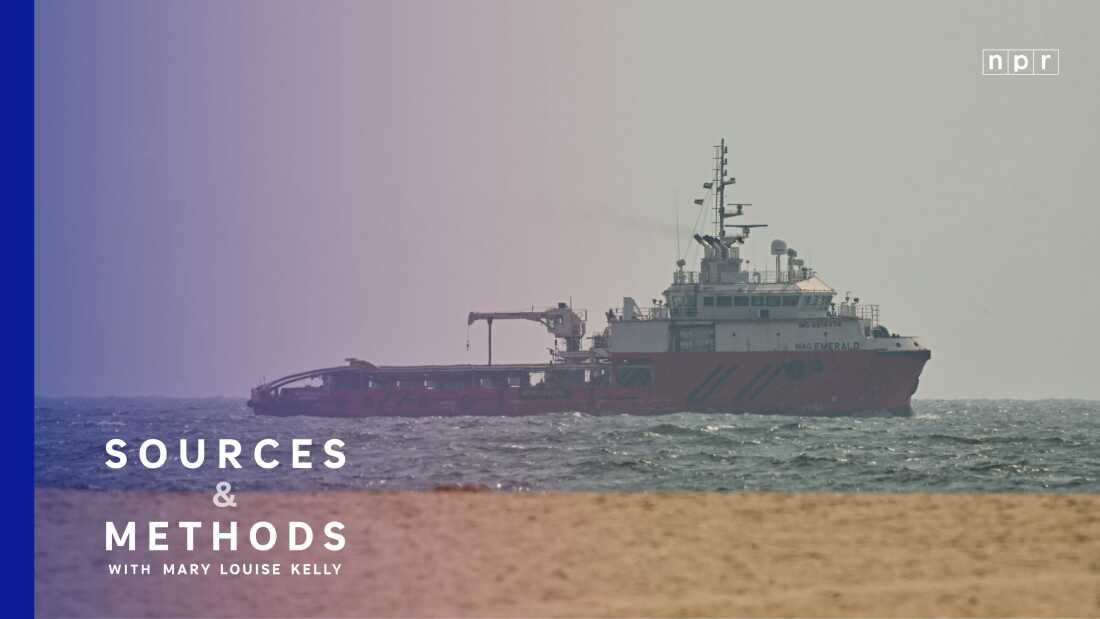
The focus of global attention has returned to the Strait of Hormuz. The U.S. and Iran have exchanged new strikes, causing a significant decrease in traffic through this vital passage. A recent image shows a ship navigating the waters off the coast of Ajman on July 10, 2026, highlighting the area’s current tensions.
Recent actions have seen the end of a fragile ceasefire, leading to increased concerns about stability in the region. NPR host Mary Louise Kelly discusses these developments with regular guests, Pentagon Correspondent Tom Bowman and National Security Correspondent Greg Myre.
These experts analyze President Trump’s policy changes concerning the conflict. They explore the challenges preventing a lasting resolution. The conversation delves into what makes this conflict particularly difficult to conclude.
Additionally, the discussion touches on the president’s latest choice for leading the intelligence community, who faced Congress recently. The implications of this leadership choice are also considered in the broader context of U.S. foreign policy.
 The Cost of Challenging Beijing
 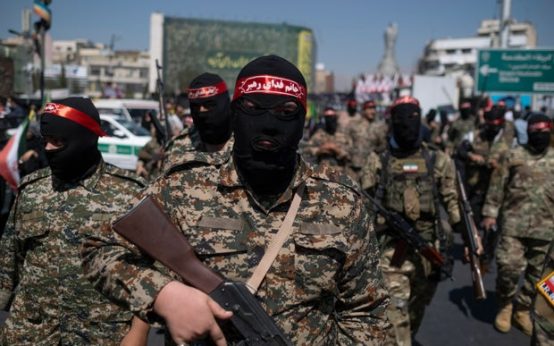 Tensions Escalate in Iran Conflict as Global Leaders Weigh Options
 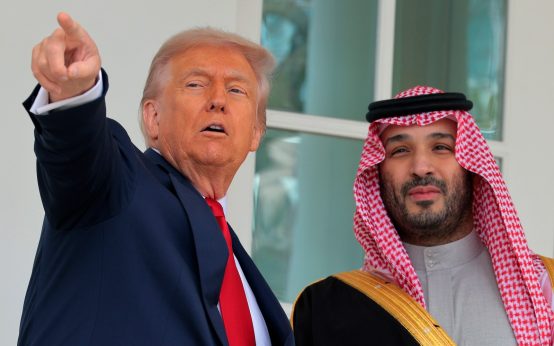 White House Approves F-35 Sales to Saudi Arabia Amidst Regional Tensions
  Inside the Secret Deals Powering the President’s Push to Deport Migrants to Countries Not Their Own
  Navigating the Challenges of Third-Country Deportations
  Midair Altercation on Bangladesh to London Flight