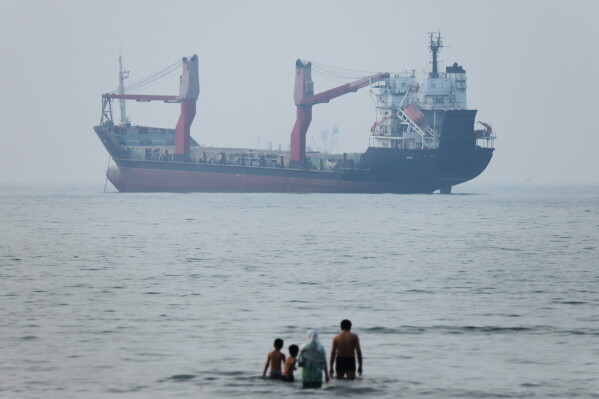
President Donald Trump expressed uncertainty about the continuation of the ceasefire with Iran, saying he is unsure if he wants a deal anymore. He indicated a desire for the U.S. to ‘finish the job,’ but added that continued attacks don’t necessarily mean war or extended actions. His mixed messaging and approval of military strikes raise questions about the future of the conflict, especially after recent diplomatic efforts to reach an initial deal.
Trump’s rhetoric may be a pressure tactic against Tehran, urging them to cease attacking ships in the Strait of Hormuz and comply with U.S. demands on its nuclear program. The ambiguity could signal either negotiation strategy or escalation, making it crucial for mediators to preserve the interim deal. Rising tensions might pose challenges for Republicans if gas prices remain elevated during the upcoming midterm elections.
On Wednesday, Trump warned of new U.S. attacks, coinciding with military declarations of initiatives aimed at reducing Iran’s threat to the Strait of Hormuz. ‘Things will happen quickly,’ Trump remarked. Officials are striving to salvage the ceasefire amid mounting distrust, with regional intelligence reporting continuous high-level talks to maintain the ceasefire.
A regional intelligence official shared insights on ongoing mediation led by foreign ministers from Pakistan, Qatar, and Egypt’s intelligence chief, assisted by leaders like Turkey’s President Erdogan following the NATO summit. Current accusations include the U.S. alleging Iran’s interference in the Strait of Hormuz and slow progress on nuclear discussions.
Nuclear negotiations are pivotal to transitioning the interim deal into a lasting resolution. Tehran claims Washington violates terms linked to the strait and fails to enforce ceasefire agreements in Lebanon. Michael Eisenstadt from the Washington Institute for Near East Policy maintains the current situation is still within negotiating bounds, despite Trump’s public insistence on abandoning the ceasefire.
Trump’s public statements have highlighted waning interest in maintaining the ceasefire, suggesting the U.S. military might ‘just finish the job.’ Iran’s lead negotiator, Mohammad Bagher Qalibaf, responded by accusing the Trump administration of violating the initial pact and stating, ‘The era of bullying is over.’
Iran has urged ongoing engagement and dialogue to achieve regional peace, despite renewed conflict, as Pakistan mediators emphasize ‘no one’s interest’ in heightened violence.
Trump’s harsh remarks on Iran’s leadership contrast his previous acknowledgment of their rationality, adding to the unpredictability of the situation. Vice President JD Vance, involved in the initial deal, pointed out Iran’s recent aggressive moves in the Strait of Hormuz, reinforcing potential American military retaliation.
Before the initial ceasefire, Trump threatened destructive measures if necessary, demonstrating a preference for a strong negotiating stance. Ali Vaez of the International Crisis Group noted the risks associated with Trump’s tactics, suggesting they could inadvertently lead to intensified conflict instead of diplomatic resolutions.
Iran requires the economic relief from the interim deal, making a return to negotiations a priority amid escalating threats. Trump’s actions continue affecting economic factors, with oil prices potentially impacting his political strategy as midterm elections approach.
Though Trump insists fluctuating gas prices don’t influence his dealings with Iran, the economics of energy and the political landscape may intersect. He has previously used the interim deal to avoid an ‘economic catastrophe,’ citing improvements in oil prices post-deal.
Trump has resumed threats to target Iran’s infrastructure and take control of oil sites like Kharg Island, dismissing concerns about military repercussions. However, the pending midterm elections could complicate his approach as Republicans aim to maintain legislative control.
While political implications unfold, Americans face potential fuel price increases amid conflict uncertainties linked to Iran’s actions. Trump’s remarks on oil prices reflect his strategic outlook, emphasizing nuclear non-proliferation objectives while acknowledging economic consequences.
As discussions continue, attention remains fixed on diplomatic efforts and regional stability. Trump’s remarks and actions will shape U.S. interactions with Iran and influence broader conflict resolution efforts.
 U.S. Strategic Goals Remain Unmet Amid Prolonged Conflict
 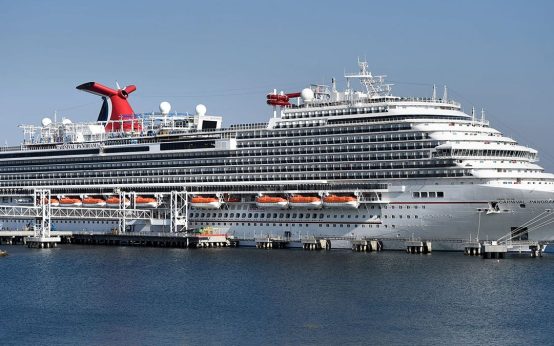 Carnival Panorama Passenger Jumped Overboard During Final Leg of Cruise
  The Impact of Arts and Closure on Democracy
 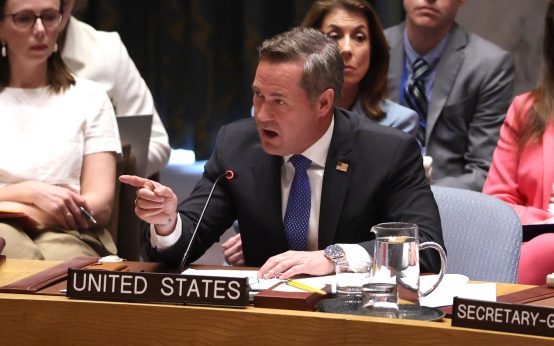 U.S. Ambassador Comments on Iran War Duration Amid Political Concerns
 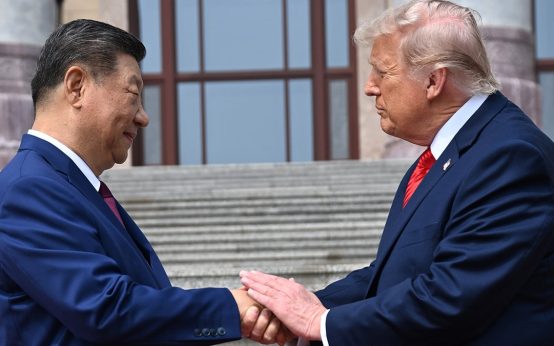 US-China Relations Under Scrutiny: Expert Warns of Escalating Tensions
  No Timeline for End of Iran Conflict