President Donald Trump announced the ceasefire with Iran is ‘over’, triggering anticipated political effects on his approval ratings. Each breach or renewal of the truce in 2026 has significantly influenced public opinion. Data from Nate Silver’s Bulletin shows that Trump’s approval closely aligns with the ceasefire’s status since the conflict began in February.
Ceasefire’s Impact on Approval Ratings
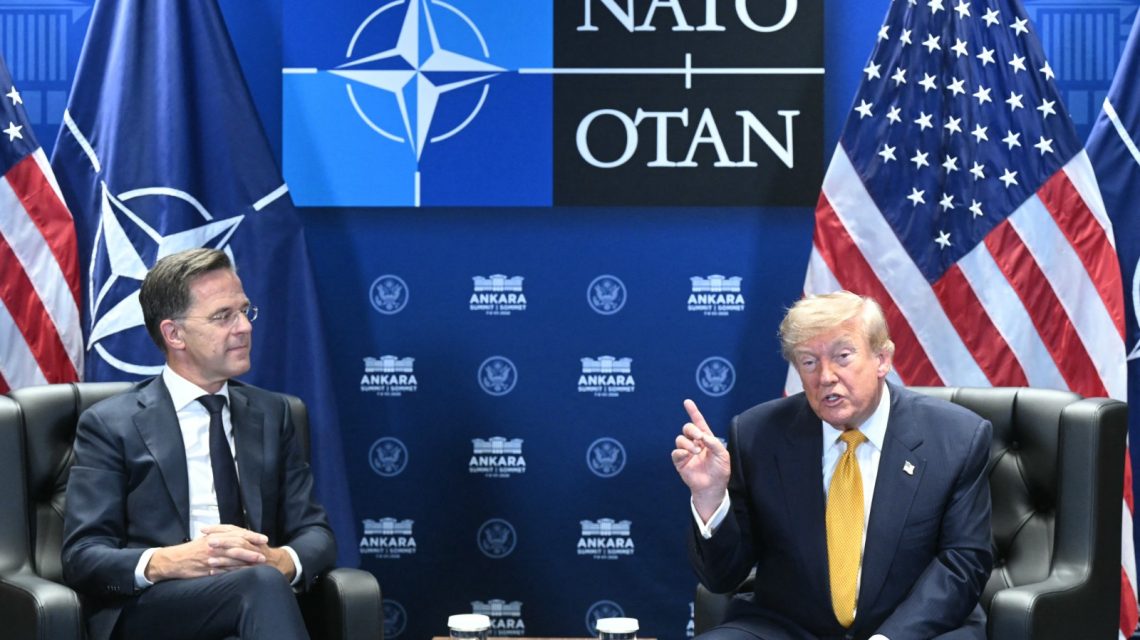
During the NATO summit in Ankara, Turkey, Trump declared the truce ended after Iran targeted commercial vessels in the Strait of Hormuz, prompting U.S. strikes in retaliation. ‘It’s a waste of time,’ Trump told reporters. The U.S. quickly launched further strikes, marking an official end to the ceasefire. As of Wednesday, Silver’s data hadn’t recorded reactions to Trump’s statement; approval sat at 43.1% and disapproval at 52.7%, unchanged since July began.
Previously, a decline in Trump’s ratings followed increased ceasefire violations from June 21 to June 24, peaking disapproval at 54.4%. Through a stable early June, after signing a memorandum on June 17, Trump’s ratings improved. Approval hit 43% before the memorandum held a calming effect on tensions, temporarily restoring his numbers.
Trump’s ratings improved with a preliminary ceasefire on June 16, which helped reopen the Strait of Hormuz. Approval was at a high at 44.4% on April 20, when the ceasefire was renewed indefinitely. The situation in February saw approval drop to a low of 41.6% following strikes involving Iran’s Supreme Leader’s death.
Fears of Renewed Conflict
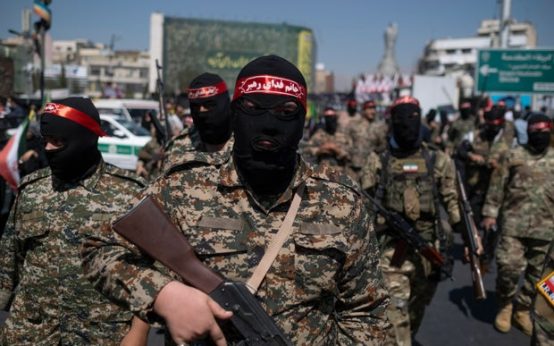
The latest military exchanges heightened fears of war reigniting. Trump declared the peace pause ‘over’ but left room for future negotiations. The situation raised concerns about Middle East stability, affecting vital trade routes like the Strait of Hormuz and leading to increased oil prices. Gharibabadi, Iran’s Deputy Foreign Minister, criticized Trump’s stance, implying a failure in U.S. policy.
In the domestic sphere, Trump’s threats to seize Kharg Island loom over Iranian hard-liners and pragmatists who differ on leveraging control to gain international sanctions’ removal.
The ceasefire’s diplomatic talks are set to resume post-funeral for Iran’s Supreme Leader. Discussions aim to address complex points such as reopening the Strait of Hormuz and nuclear program reductions.
Timeline of Truce Breakdowns
Trump’s recent comments indicate a setback in resolving the breach that followed the June 17 memorandum which included a 14-point plan halting military actions and reopening vital trade routes.
- June 19: Unrest in Lebanon posed initial issues.
- June 20: Iran accused the U.S. of not upholding certain agreement aspects. Disputes continued over Strait control.
- June 25: Singapore tanker attacked, blamed on Iran by the U.S.
- June 26-27: Retaliatory U.S. strikes claimed Iran breached the deal.
- June 28: U.S. intensifies strikes amid mutual blaming for crisis deepening.
- July 7: IRGC accused of escalating tensions with shots at trade vessels.
- July 8: U.S. executes new strikes after the ceasefire was declared void.
For further information, contact Newsweek editors Jason Lemon and Sam Wilson regarding this evolving situation.
 American Public Opinion on Press Freedom
  Media Lawsuit Against Trump Administration for White House Ban
  The Cost of Challenging Beijing
  Analyzing Midterm Elections and Party Dynamics
  Allan Lichtman’s Framework for Assessing Presidential Greatness
  Tensions Escalate in Iran Conflict as Global Leaders Weigh Options