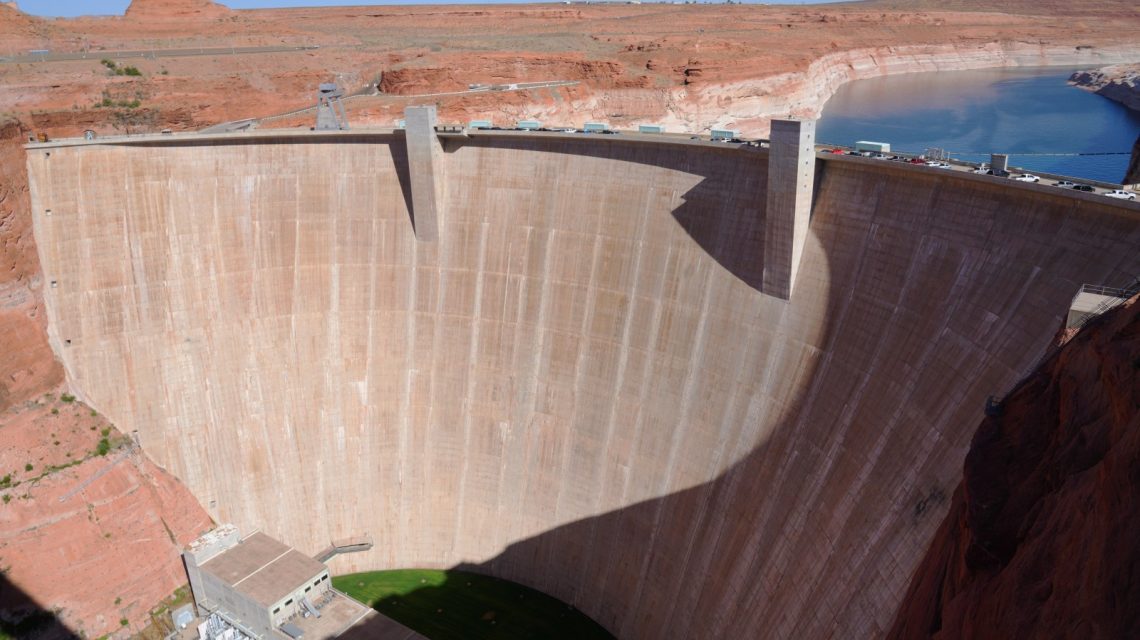
Efforts to maintain water levels at Lake Powell have sparked a significant proposal: transferring its water downstream to Lake Mead, effectively retiring Lake Powell as a primary reservoir. Both reservoirs are crucial for the drought-affected Colorado River, which serves around 40 million people in the Western United States and irrigates over 5 million acres of farmland.
Examining the Glen Canyon Dam
Zanna Stutts, Glen Canyon Institute’s program director, questions the effectiveness of Glen Canyon Dam. She highlights that the dam, designed for mid-20th-century river flow expectations, struggles as the Colorado River’s flow has decreased by 20% since 2000. Stutts calls for infrastructure modifications, as much of Lake Powell’s water below certain levels is inaccessible due to the dam’s design.
The Proposal: Consolidate Water Storage
The Glen Canyon Institute suggests a strategy known as “Fill Mead First,” aiming to consolidate water in Lake Mead rather than maintaining two partially filled reservoirs. This plan involves gradually transferring Lake Powell’s water downstream in stages, eventually creating bypass tunnels at Glen Canyon Dam to allow free river flow while retaining emergency storage capabilities.
Potential Impact on Hydropower
Routing water from Lake Powell would impact hydropower generation at Glen Canyon Dam. Declining water levels threaten its power-producing capabilities, requiring emergency actions to temporarily sustain operations. Stutts expresses concerns about relying on uncertain future precipitation for maintaining reliability in electricity production.
Hydrological Challenges and Predictions
Lake Powell’s current status shows it at 23% capacity, with 35% of average storage for the date. NOAA forecasts warmer temperatures and potential monsoon-driven precipitation in the source regions, but these conditions may not fully mitigate drought-related evaporation and stress.
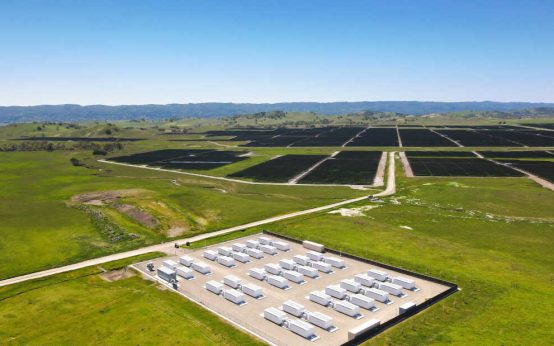 How Battery Innovations Transform Renewable Energy
  Data Centers Stir Controversy in Texas Amid Growth Boom
 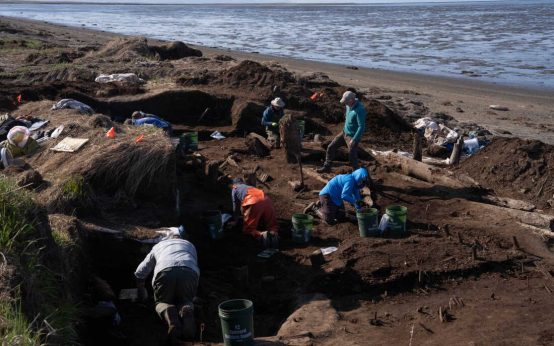 Urgent Archaeological Efforts in Quinhagak Stay Ahead of Erosion
 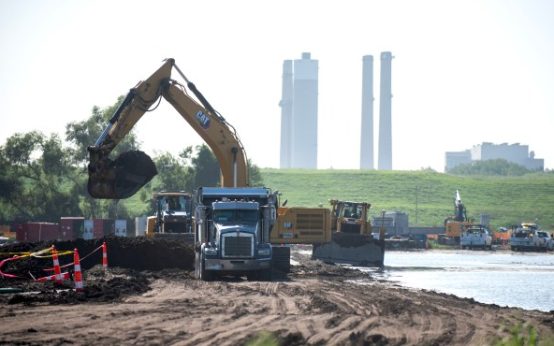 Concerns Rise Over NIPSCO Permit In Jasper County
  Reader Reactions on Grizzlies and Data Centers
  Managing the Crisis of Drying Rivers