When Jennifer Siebel Newsom opted to use the title “first partner” instead of “first lady,” she signaled her intention to challenge traditional gender roles. No wife of a U.S. president had formally adopted a title like this before. However, many women who have been first ladies in both California and the nation have expressed reservations about assuming this role. Some accepted the role initially but later worked to redefine its expectations.
Maria Shriver, who became California’s first lady after Arnold Schwarzenegger’s election in 2003, had her own journey. She took a break from her career as a network news correspondent and anchor, initially resistant to the expectations of the position. Despite her reluctance, Shriver used her time effectively. She revitalized the state history museum and established the world’s largest Women’s Conference. Additionally, she launched a recession-era program to assist low-income families. In her memoir, she later reflected on this period as one of her most fulfilling roles.
Anne Gust Brown, married to former Governor Edmund G. “Jerry” Brown, preferred a more discreet approach. A lawyer by profession, she contributed significantly behind the scenes as an unpaid political aide. Her involvement included aiding her husband’s campaign and contributing to his inaugural speech. Gust Brown openly admitted her discomfort with the title “first lady,” stating that it was hard for her to embrace.
The scrutiny intensifies for the first ladies of America. Martha Washington, the nation’s inaugural first lady, felt constrained by her role. She compared her experience to being a “state prisoner.” She approached her duties with resilience, acknowledging that personal happiness often depends on one’s outlook rather than circumstances.
Jacqueline Kennedy, upon her White House entry in 1961, expressed disdain for the “first lady” title, comparing it to a term for a horse. Historically, the role has been deeply traditional. However, notable exceptions such as Eleanor Roosevelt and Hillary Clinton shaped the position in unique ways. Eleanor Roosevelt became deeply involved in social and political matters during her husband’s presidency, despite facing harsh criticism.
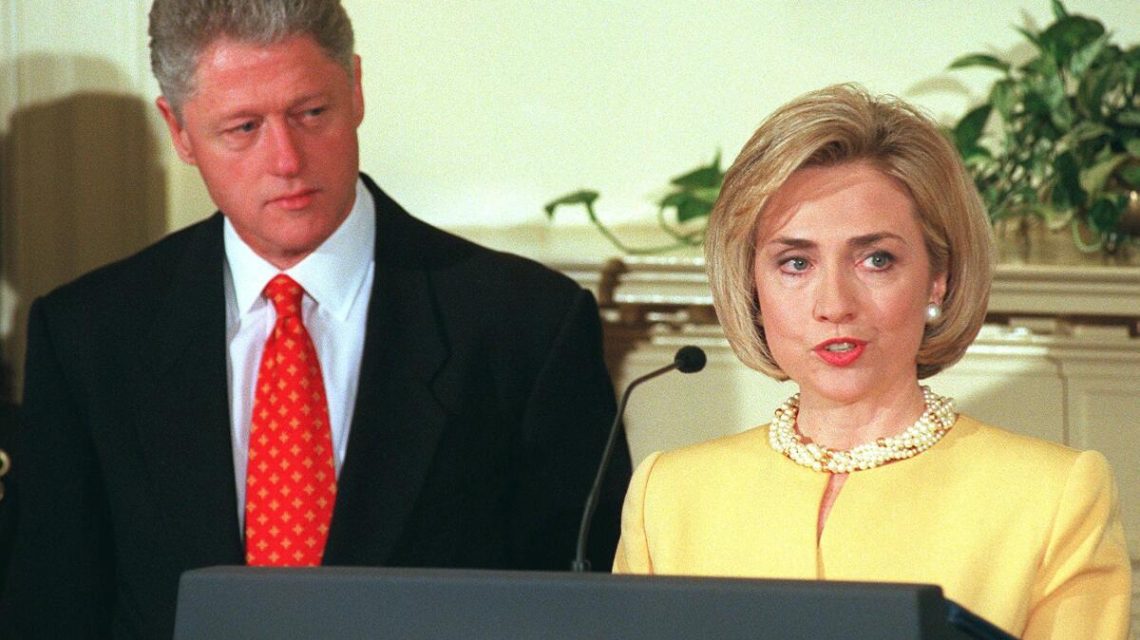
When Bill Clinton campaigned for presidency, he famously referred to a vote for him as a “twofor,” recognizing Hillary Clinton’s impactful legal career. Her significant public policy role in healthcare reform sparked controversy, demonstrating the complex nature of the involvement of first ladies in political matters.
Laura Bush returned to a more conventional role focusing on literacy, whereas Michelle Obama addressed topics like healthy eating. Yet, Michelle, having an impressive academic background, faced dual challenges of racism and sexism.
Jill Biden marked a first by continuing her professional teaching career while serving as first lady. The role of the first spouse might evolve further as women and LGBTQ+ leaders rise, possibly leading to their spouses adopting less silent or traditional roles. Doug Emhoff, the second gentleman, is one example, maintaining his professional life while serving alongside Vice President Kamala Harris.
Debbie Walsh of the Center for American Women and Politics at Rutgers University noted the potential changes in expectations for those in these roles. However, adopting progressive titles like “first partner” may invite scrutiny, as in Siebel Newsom’s case. Barbara A. Perry from the University of Virginia highlighted the potential for backlash, especially in conservative regions.
 Mayor Mamdani and President Trump Discuss Major Housing Project in NYC
  Poll Reveals MAGA’s Increasing Popularity Over DSA as Democrats’ Future Debated
  North Korea’s Hypersonic Weapon Test Amid Global Tensions
  Debate Over ICE Action in Austin Escalates
  President Trump Warns of Escalating War with Iran at UN Assembly
  Tariffs and Their Impact on Everyday Products