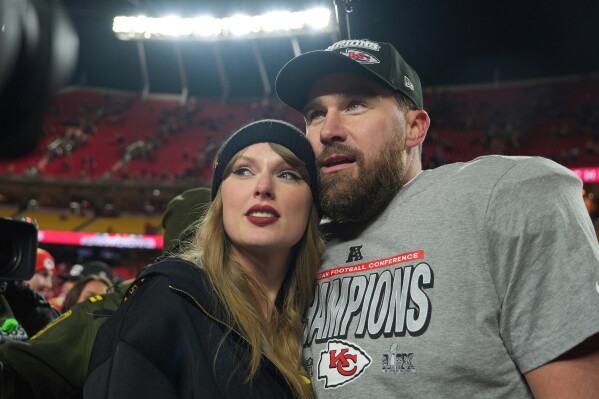
The upcoming 250th anniversary of the United States aims to unite Americans through community service initiatives and patriotic brand launches. Renowned nonprofits are striving to inspire unprecedented levels of volunteerism, while prominent companies like Walmart and Coca-Cola are sponsoring events and offering limited-edition products.
However, this unifying effort encounters mixed responses due to a complex national mood. A survey from The Associated Press-NORC Center for Public Affairs Research indicates that fewer Americans view their country as exceptional compared to a decade ago, reflecting a decline in patriotic sentiment. Views regarding the American flag, a central element of the semiquincentennial celebrations, are split along political, age, and racial lines.
Two different commissions have planned rival events, adding to the dissonance. Late last year, President Donald Trump initiated Freedom 250, a nonprofit managed by his allies, to create alternative programming to America250, a nonpartisan group formed by Congress in 2016. At a Freedom 250 event, Trump claimed, “The American dream is alive again,” referencing a great state fair that faced cancellations from performers due to political tensions.
America250 emphasizes volunteerism with its America Gives initiative, encouraging Americans to volunteer with nonprofit partners and track these hours online. Merle Heatwole of Salvation Army USA remarked on challenges posed by political perceptions, but also noted enthusiasm for the “Good Neighbor Day” volunteering initiative. The America Gives initiative recorded over 38 million hours volunteered approaching the holiday weekend. Rosie Rios, America250 Chair, anticipates a surge in voluntarily reported hours as partners submit data towards year-end.
Jayne Cravens, a consultant for nonprofits, finds that many organizations struggle to leverage the 250th campaigns, lacking the infrastructure for impactful service opportunities. Audra Watson from C&S leads efforts to boost civic engagement among young people, highlighting their preference for local impact over national partisan affiliations.
Local opportunities drive engagement, according to Jennifer Lawson of Keep America Beautiful. With over 4.5 million participants, her network has seen extensive involvement from citizens, addressing public spaces and recycling efforts. Lawson notes a yearning for community connection and a search for starting points for engagement.
Marketing experts advise caution for brands amid declining national pride. The presence of two competing logos adds complexity to promotional efforts. Walmart’s role includes a mobile recording studio for oral histories, archived by the Library of Congress. Coca-Cola has initiated a large-scale public art project with murals designed by local artists, aiming to reflect community pride.
Reactions to merchandise vary. Aaron Hilton from Suffolk shows disinterest due to political associations, while Darrell Brown from Arkansas embraces America250-themed decorations, opposing political division over the milestone. Brown advocates for a non-political celebration of the nation’s anniversary.
M.J. Rymsza-Pawlowska, a cultural historian, recalls grassroots programming funding from Nixon during the bicentennial, leading to enduring civic engagement forms. Her Washington, D.C. chapter supports an oral history initiative, examining the meaning of living in the nation’s capital.
The ultimate legacy of the 250th anniversary remains uncertain, presenting opportunities for established community activities and potential funding.
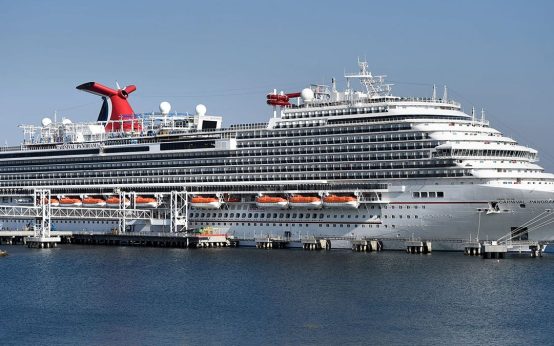 Carnival Panorama Passenger Jumped Overboard During Final Leg of Cruise
 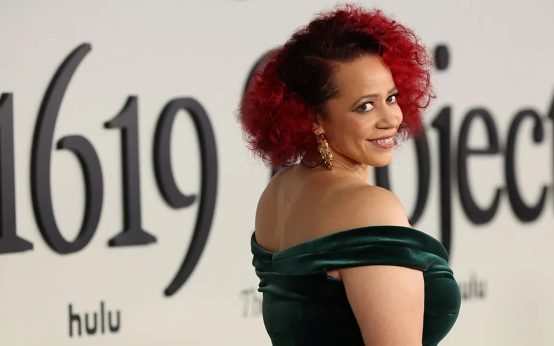 Nikole Hannah-Jones Reflects on Educational Choices for Her Daughter
 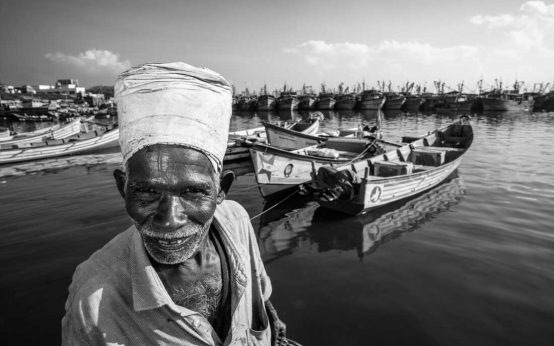 Life and Challenges at Chennai’s Kasimedu Fishing Harbour
  Chicago Bears Eye Potential Move to Indiana: A Look at the Developments
  Amazon Offers Discounts to Employees at Whole Foods
  Inside the American Airman Rescue Mission in Iran