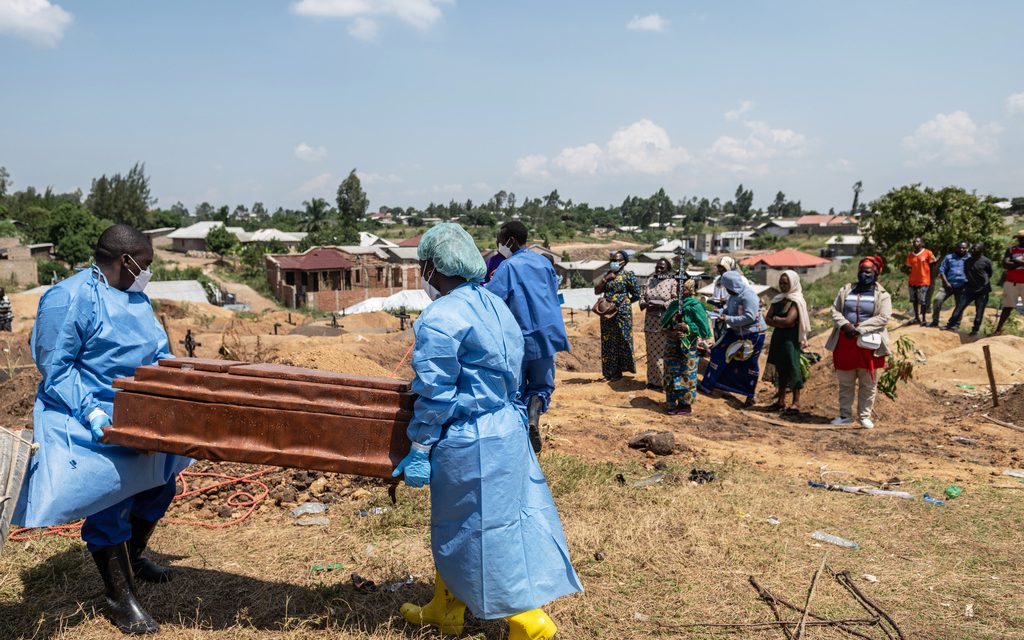
Red Cross workers prepared to bury Vanisa Anifa, a six-month-old girl who died of Ebola, in the Bigo Cemetery, Bunia, Congo. This tragedy on June 19, 2026, underscores issues arising from the U.S.’s approach to foreign assistance.
The response by the Trump administration to the Ebola outbreak in Central Africa faced scrutiny. The dismantling of U.S. foreign assistance institutions, led by the Department of Government Efficiency under Elon Musk and Secretary of State Marco Rubio, increased risks. This lack of coordinated international health response exacerbates situations like the current outbreak. A University of Chicago study noted increased conflict in African countries that depended on U.S. aid. Conflicts rose by approximately 12.3%, battles by 7.3%, and protests and riots by 6.8%.
Communities like those in eastern Democratic Republic of the Congo suffer greatly from these statistics. The Ebola outbreak might become one of history’s worst. Due to decades of armed conflict, trauma, and distrust of outsiders make response efforts more challenging. Wars have weakened local health infrastructure and civil society groups, crucial for early conflict and disease warning systems.
America’s investments in conflict mitigation and peacebuilding, shared by USAID and other institutions affected by the department restructuring, are critical. These aid efforts have historically saved lives, reduced suffering, and addressed overseas threats before impacting Americans. The work after 9/11 by former USAID conflict management office directors involved building capabilities to assess, deploy, and protect local peacebuilders and allies.
These efforts helped deter local disputes from escalating and ensured the wise expenditure of U.S. taxpayer dollars. Lessons learned from areas such as Iraq, Afghanistan, and Colombia helped avoid enhancing local conflicts. Training peacebuilders to recognize conflicts and design effective responses was central to this mission.
In contrast, President Trump’s $1.5 trillion military budget request for fiscal 2027 contrasts sharply with diminishing U.S. investments in peacebuilding and conflict management, which barely reach several billion dollars annually. Regional bureaus now lack targeted support for local groups crucial to detecting and managing conflicts in places like Sub-Saharan Africa.
Addressing these challenges is beyond the State Department’s current capability. Even powerful military resources cannot substitute for the intricate work of conflict prevention. The military and Congress previously supported peacebuilding efforts, recognizing the need for balanced involvement in international health, stability, and conflict management.
Congress plays a significant role in reshaping U.S. commitment to development and humanitarian responses, integrating conflict prevention and peacebuilding centrally. Ironically, Marco Rubio, previously committed to this mission, now oversees its undoing. However, it’s not too late to reconsider decisions that weakened U.S. strength and safety on the global stage.
Authors Elisabeth Kvitashvili, Neil Levine, Ryan McCannell, and Don Chisholm, served as USAID’s conflict office directors from 2002 to 2024.
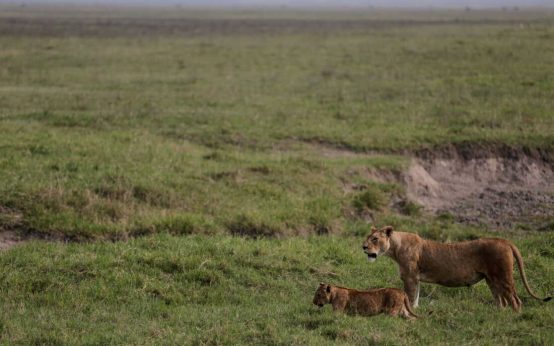 Investigation into Lion Deaths in Tanzania
 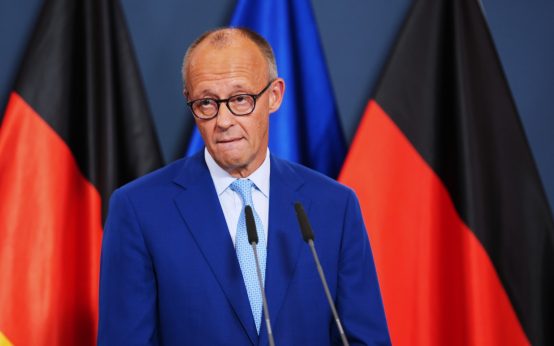 Merz Stays Resolute Amid Electoral Shifts in Germany
  The Impact of Arts and Closure on Democracy
 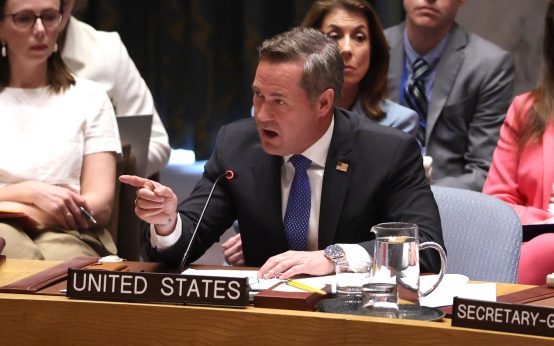 U.S. Ambassador Comments on Iran War Duration Amid Political Concerns
  U.S.-Iran Relations and Diplomacy at Upcoming U.N. Assembly
  US-China Relations Under Scrutiny: Expert Warns of Escalating Tensions