
President Donald Trump has significantly influenced the U.S. Senate elections this year. He chose to support loyalists over some incumbent Republicans, which reshaped the Senate map. The central question now is whether Trump plans to financially back his selections.
With the November elections approaching, details on spending plans from MAGA Inc., the largest political fund in the country with $382 million, remain scarce. Despite urging from Senate Republican leaders for Trump’s team to finance these races, no clear commitment has emerged.
Texas Senate Race
Texas is under the spotlight after Trump’s endorsement of Ken Paxton over Senator John Cornyn. Some Republicans believe this has made the election less secure, pulling resources from other battlegrounds. Democratic candidate James Talarico has focused on Paxton’s corruption allegations in his campaign.
“The president picked Paxton, and he’s got $350 million dollars,” Cornyn told Semafor. “I think he can spend his money.”
North Carolina’s Challenge
In North Carolina, after Senator Thom Tillis opted out due to a dispute with Trump, Michael Whatley, a former chair of the Republican National Committee, became the candidate. Democrats aim to capture this seat with former Governor Roy Cooper. The GOP is looking to MAGA Inc. for financial support, especially considering the high media costs in the state.
Funding and Strategy
Official party committees, now allowed unlimited contributions to campaigns after a recent Supreme Court ruling, provide some support. However, their funds remain less than what Trump has in MAGA Inc. Trump, although unable to run again, continues to raise substantial amounts through expensive fundraiser events.
James Blair, the former White House political director coordinating Trump’s midterm efforts, remained vague in discussions.
“The president is going to expend substantial resources to win the midterms,” Blair stated. “He cares deeply about the party winning.”
MAGA Inc. can raise unlimited funds from individuals and corporations due to its super PAC status but cannot coordinate with individual campaigns or national committees. Their strategy remains unclear.
Trump’s Retaliation and Its Impact
Trump has retaliated against Republicans who opposed him. This includes John Cornyn, Bill Cassidy of Louisiana, and Rep. Thomas Massie of Kentucky, all defeated in primaries by Trump-backed candidates.
Paxton’s candidacy could result in a significant financial burden on the party, potentially costing an additional $100 million to defend. The Senate Leadership Fund, aligned with Senate Majority Leader John Thune, will still invest in Texas but will prioritize other states.
Democratic Opportunities
Democrats need to gain four seats to achieve a Senate majority. They target Alaska, Maine, North Carolina, and Ohio as possible victories. The Senate Leadership Fund has committed $342 million toward campaigns in these states and more.
After Paxton’s nomination win, he held a successful meeting with Thune, though Thune later indicated Trump should financially support candidates selected without Senate Republican approval.
“We will do what we need to do to make sure the state stays red,” Thune told reporters. “But I’m certainly hopeful the president and the resources he can bring to bear will be engaged.”
AP White House correspondent Seung Min Kim reported from Washington, and Beaumont from Des Moines, Iowa.
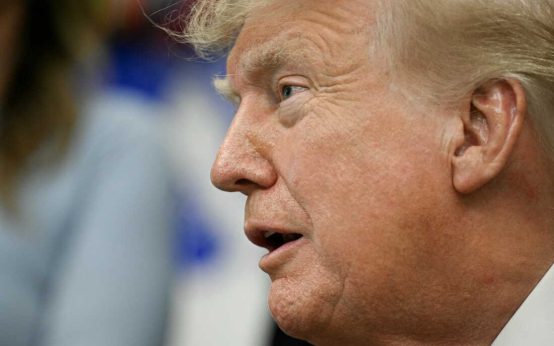 Trump Seeks Diplomatic Success at the U.N. Amid Challenges
 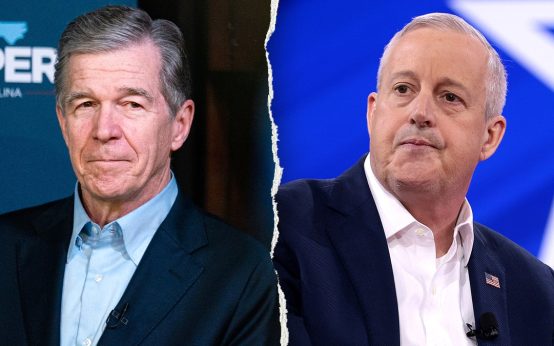 North Carolina Senate Race Influenced by Abortion Policy Messaging
 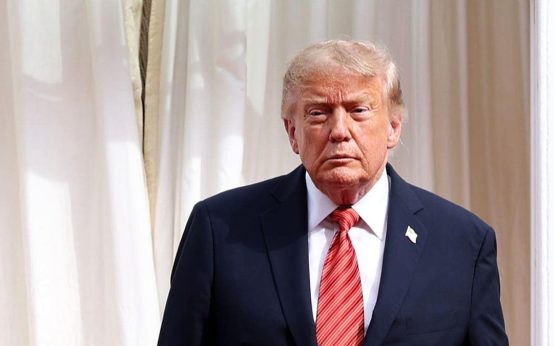 Trump Pressures Republicans on Filibuster Threat
 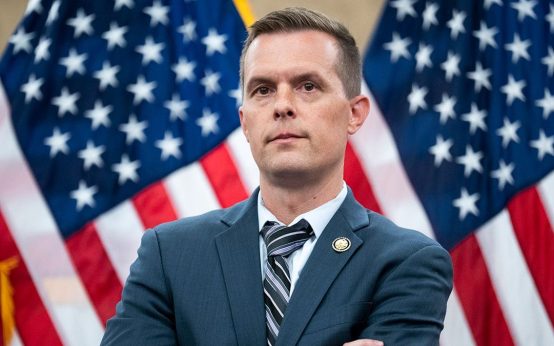 Rep. Golden Endorses Rep. Lawler for Re-election
  Public Perception and Political Impact of Data Centers
 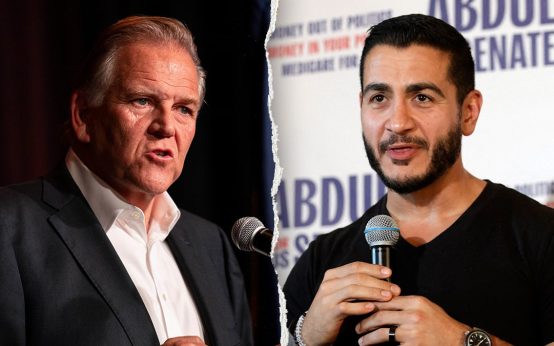 Jewish Democrats in Michigan Shift Support to GOP Candidate in Senate Race