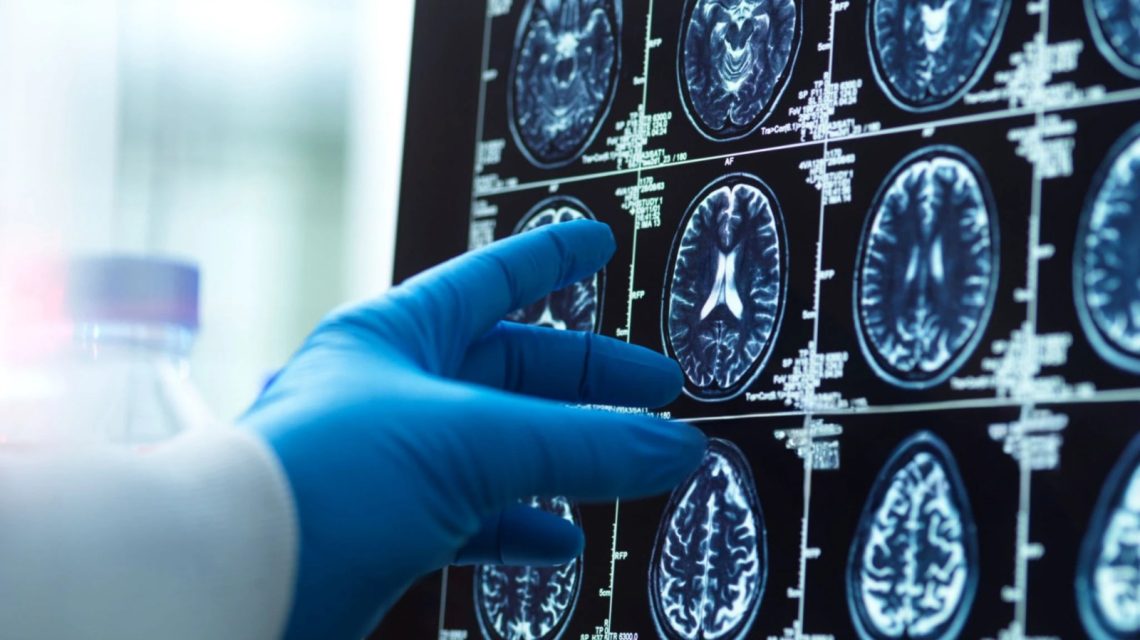
Researchers have developed an experimental therapy for glioblastoma, one of the deadliest brain cancers. This approach targets a critical weakness in the disease; it remains in the preclinical stage, far from patient use. Published in Nature, these findings suggest a new direction in cancer treatment.
Glioblastoma is notorious for its poor prognosis. Typically, patients survive only 12 to 18 months after diagnosis, with merely 5% surviving beyond five years. This grim outlook underlines the urgency for new treatments.
Rethinking Glioblastoma
Traditionally, glioblastoma was viewed as an isolated mass of cancer cells. Recent evidence suggests the tumor relies on surrounding cells that help it survive and grow. “Solid tumors like glioblastoma are not only cancerous cells; they are an ecosystem,” said Shan Grewal, a PhD candidate at McMaster University and co-lead author of the study.
This perspective influenced the project. Focusing solely on cancer cells might ignore other crucial processes aiding disease survival. According to the study, treatments should address the tumor and its supportive network.
Targeting GPNMB
The research zeroes in on a protein called GPNMB found on glioblastoma cells and macrophages—immune cells closely linked to tumors. This discovery led to a new therapeutic strategy. The team engineered CAR-T cells to target GPNMB on both cancer and supportive macrophages, attacking the tumor on multiple fronts.
Sheila Singh, a senior author, emphasized the ecosystem concept. “Our approach attacks both the tumor and the environment that allows it to thrive,” she said. In preclinical models, this therapy eliminated tumors and resulted in long-term disease-free survival.
Immunotherapy Challenges
While promising, challenges persist. The therapy has not yet entered clinical trials. Researchers must determine ideal candidates, delivery methods, and safety protocols. Grewal notes that despite these hurdles, understanding the tumor’s suppressive environment remains key.
Immunotherapy has transformed some blood cancers but has seen limited success with glioblastoma. Part of the difficulty stems from the tumor’s ability to create a suppressive environment dominated by macrophages that resist therapy.
Significant obstacles remain before this therapy becomes available. It represents an early-stage advance, providing hope for new options in a challenging field. “Glioblastoma remains one of the most devastating cancers, and patients deserve new options,” Grewal stated, urging caution and optimism.
 The War on Poverty: A Lesson on Intentions and Outcomes
  Florida Reports First Dengue Fever Death as Outbreak Expands
  Ice Age Mastodon Tooth Unearthed in California Creek
  Florida Man Claims ‘Lion Diet’ Transformed Health and Life
  Concerns Over Food Safety and Its Impact on Families
  A Mother’s Tragic Journey Under Abortion Ban