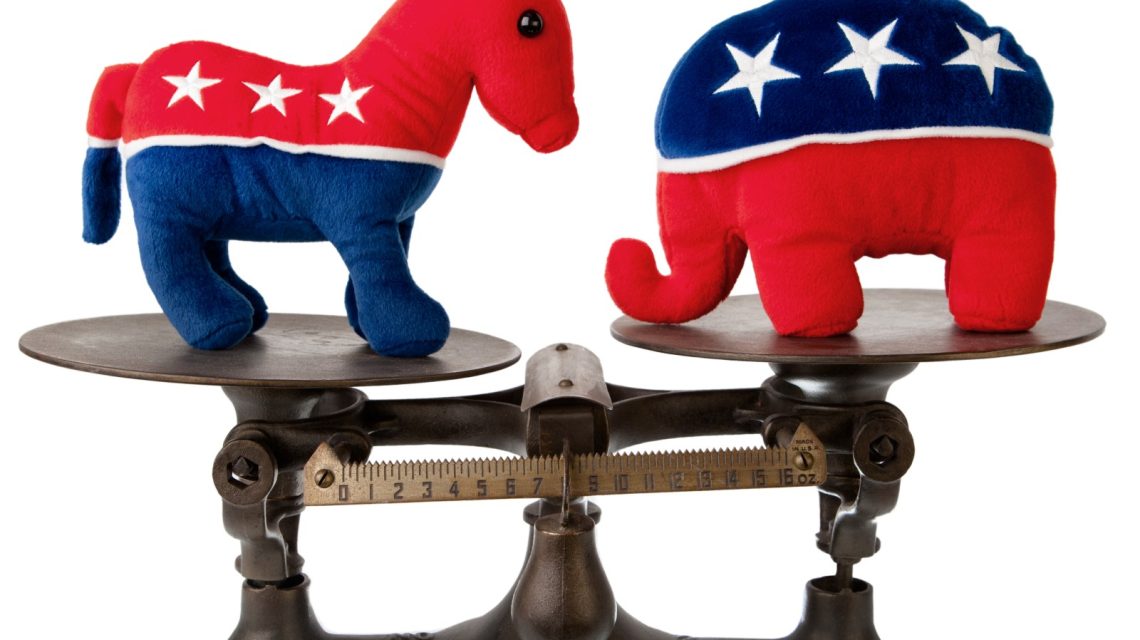
One of the authors has worked for Donald Trump. The other is a political science professor and elected Democrat in the hometown they share. They often find themselves in heated discussions about candidates, ideas, and policies. Yet, both agree on a fundamental point: Americans remain Americans first, even when they disagree.
As the United States nears its 250th anniversary, the nation faces a crucial question beyond elections or policy debates. Are Americans still committed to the idea that made their country possible?
The greatest threat is not political disagreement. Robust debate has always fueled American democracy. The real danger lies in drifting away from the unity that once held the nation together.
The founders chose ‘United States of America’ to emphasize unity. At a time when loyalty was local, to states like Virginia or New York, they placed ‘united’ at the center of the national vision. This unity meant freedom only if Americans acted as one, despite differing interests and visions.
The Constitutional Convention illustrated this. Delegates disagreed on representation, power balance, and the republic’s nature. The resulting constitutional framework allowed disagreement to persist without destroying the nation.
Today, political, media, and cultural institutions often encourage division. Politicians fundraise by presenting opponents as threats. Media and influencers attract audiences through poisonous rhetoric. Algorithms reward outrage, turning common issues like gas stoves or straws into cultural battles. This leads to a culture where Americans see one another as enemies, not as fellow citizens with differing views.
The effects are tangible. Trust in institutions has declined, with Americans segregating into separate political and informational groups. Pew Research reveals majorities in both parties view their opponents as immoral. Without agreement on basic facts, finding common ground is impossible.
The consequences are severe. High-profile incidents, including the killings of Charlie Kirk and Melissa Hortman and assassination attempts, highlight the extremes. Princeton’s Bridging Divides Initiative reports a 74% increase in threats against local officials, election workers, and school board members.
The issue affects all political sides, rooted in a culture that labels opposing views as evil. Extremists take these messages literally, escalating tensions. George Washington warned factions could subvert democracy. Both parties now build engines of division through gerrymandering. More competitive districts are needed so politicians consider all constituents, not just their base. Safe seats breed political classes that prioritize division over unity, making compromise risky and fostering tribal loyalty.
Ronald Reagan warned that ‘freedom is never more than one generation away from extinction.’ The present choice echoes throughout history: faction or union, contempt or citizenship. Reagan and Tip O’Neill recognized free societies endure not by eliminating differences but by prioritizing greater common goals.
Authoritarian regimes exploit division, deepening mistrust and weakening democratic societies. Every political conflict eroding trust in democratic institutions serves such adversaries. Individuals prompting division aid those wishing societal harm.
Adversaries bet against America’s unity. The hope and caution at this milestone are encapsulated in Benjamin Franklin’s challenge: can Americans maintain the republic? The authors believe it’s possible. If they can coexist, so can the nation.
Len Khodorkovsky was a Deputy Assistant Secretary of State under Trump. Matthew Hale is a political science professor at Seton Hall University. Their views are their own.
 American Public Opinion on Press Freedom
  Media Lawsuit Against Trump Administration for White House Ban
  The Cost of Challenging Beijing
  Analyzing Midterm Elections and Party Dynamics
  Allan Lichtman’s Framework for Assessing Presidential Greatness
  Florida Senate Race Tightens as Recent Polls Show Dead Heat