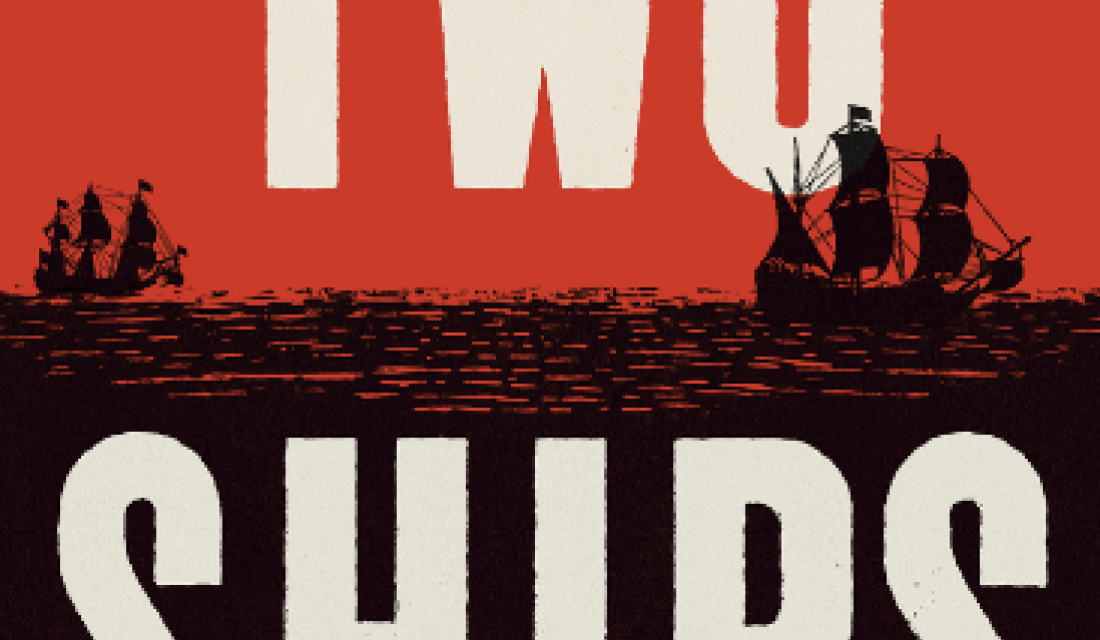
Historian David S. Reynolds’ latest work, Two Ships, emerges as the United States approaches its 250th anniversary. The book delves into how diverging interpretations of America’s origins have influenced national division, particularly focusing on the Mayflower and the White Lion. These ships symbolize two conflicting visions of America, one of democracy and the other of hierarchy.
The Mayflower and the White Lion
The Mayflower brought separatist Puritans to Plymouth, Massachusetts, in 1620. These settlers, who were dissenters from King James I’s rule, are often credited with planting the seeds of democratic ideals in America. In stark contrast, the White Lion arrived a year earlier in Jamestown, Virginia, and introduced the first enslaved Africans to the colonies. This event marked the beginning of a legacy of slavery, closely associated with the Royalists who supported the English monarchy and believed in strict social hierarchies.
The significance of these voyages has continually shifted depending on historical context and who was invoking their imagery. An example comes from the Civil War era, where the White Lion was condemned as the ‘Slave-Ship’ by abolitionists like Frederick Douglass. He used the ship metaphor to highlight slavery’s awful legacy. Meanwhile, Southern Cavaliers labeled the Mayflower passengers as intolerant to emphasize their own narrative against Northern sentiment. Here, sectional bias heavily influenced cultural memory.
Transformation and Modern Reinterpretation
Reynolds discusses the literary impact on Southern perspectives, mentioning Nathaniel Hawthorne’s The Scarlet Letter and Sir Walter Scott’s historical romances, which fueled a romanticized view of Southern heritage. This nostalgia contrasted with the evolving Northern culture, showcasing the fragmented cultural memory inherent in these narratives.
By the late 19th century, racial solidarity emerged as a dominant theme, challenging diverse ethnic integration. Mayflower celebrations became symbols of racial unity among Northern and Southern whites. However, as the 20th century progressed, the Mayflower’s image transformed, becoming a depoliticized and commercial emblem. The metaphor of the two ships faded over time.
The 1619 Project, however, reintroduced the White Lion at the center of slavery debates, provoking new discussions around its historical interpretation. This project ventures beyond Two Ships‘ chronological scope, yet its mention is crucial due to its significant impact on contemporary historical discourse.
“It’s wise for all of us to deepen our understanding of how Americans have portrayed each other throughout history,” states Reynolds. This awareness can combat stereotypes and promote a nuanced view of American identity.
Reynolds’ book offers valuable insights into American historical perceptions. Consider it a thought-provoking addition for observing Independence Day and reflecting on the nation’s complex legacy.
 Exploring the Lucas Museum of Narrative Art
  Converse Apologizes and Withdraws Controversial Ad Amid Criticism
  Lucas Museum of Narrative Art Unveils in Los Angeles
  Lonnie G. Bunch III Reflects on His Legacy at the Smithsonian
  A Decade of Impact at the National Museum of African American History and Culture
  Urgent Archaeological Efforts in Quinhagak Stay Ahead of Erosion