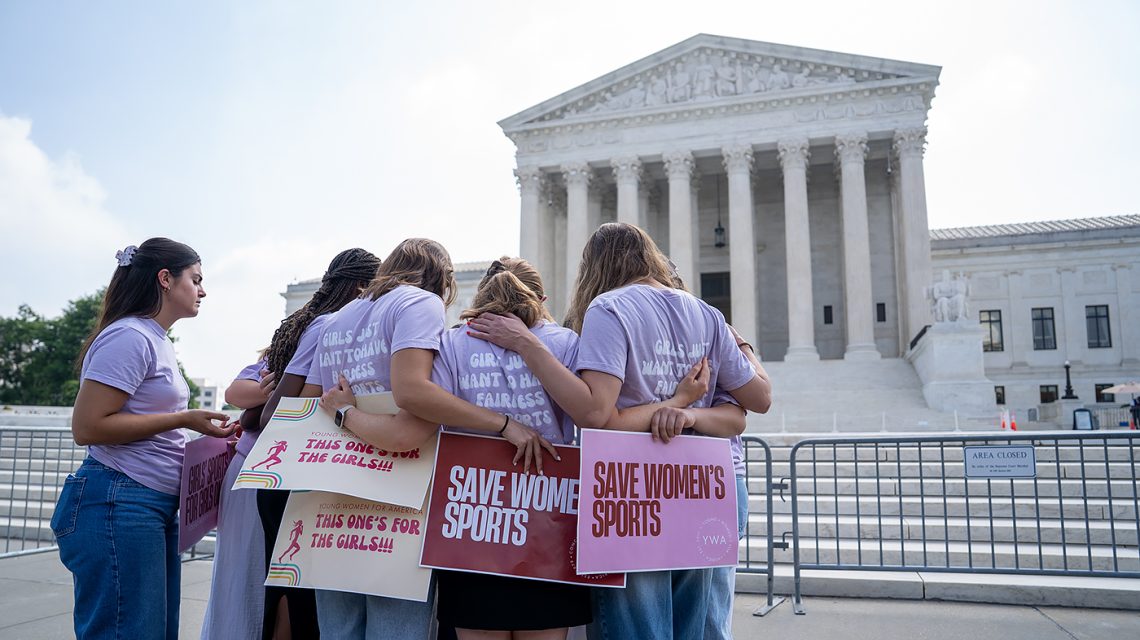
On June 29, 2026, members of Concerned Women for America gathered outside the Supreme Court in Washington, D.C., awaiting decisions on crucial cases. The following day, all nine Supreme Court justices affirmed the inherent physical differences between men and women. This decision stemmed from the cases State of West Virginia v. B.P.J. and Little v. Hecox, marking a significant moment for those advocating for female athletes’ rights. The Court ruled 9-0 that Title IX, which ensures equal educational opportunities for women, permits states to maintain sex-specific sports. Additionally, it ruled 6-3 under the Equal Protection Clause of the 14th Amendment, also supporting this stance.
Americans are now questioning how such a ruling became necessary. Organizations, including my own, defended state laws safeguarding women’s sports alongside officials like Idaho Attorney General Raul Labrador and West Virginia Attorney General JB McCuskey. The laws recognize the biological differences in strength and physiology between the sexes. Despite attempts to minimize these differences using various policies, the consequences are widespread across athletics and locker rooms.
A key figure in the controversy, B.P.J., challenged West Virginia’s law after outperforming numerous female athletes in high school track events, impacting their scholarship chances. In recent events, allegations surfaced of B.P.J. sexually harassing Adaleia Cross, leading her to quit the sport due to inadequate institutional response. Another case involves Kallie Keeler, who sued Washington state officials for sexual assault during a wrestling match with a male competitor. These stories highlight the cost of denying biological reality in sports.
Some institutions mistakenly believed gender identity could override biological sex, while dissenters faced punishment. There was an attempt to redefine sex in Title IX, potentially undermining women’s protections. Some lower courts acquiesced, leading to a confusing legal landscape addressed during Supreme Court arguments. The ACLU struggled to define terms like “sex” and “woman” in a case crucial for sex discrimination law. Had the Court ruled differently, it might have jeopardized protections for women across various settings.
The unanimous Supreme Court decision supports the notion that Title IX can protect women’s sports, preserving fairness and privacy. The issue extends beyond women’s athletics; no justice system should legitimize falsehoods. Such a system coerces citizens, coaches, and parents into dishonesty, jeopardizing trust and fairness. The media portrayed the decision as resolving a complex issue, while it effectively addressed a fundamental one.
States without laws protecting women’s sports must act promptly to ensure fairness and equal opportunity for all girls. The Supreme Court’s ruling serves as both a victory and a caution. Upholding the truth under the law should not be debated. The pertinent question now is whether the law will continue to protect women’s sports.
Kristen Waggoner is CEO, president, and chief counsel of Alliance Defending Freedom.
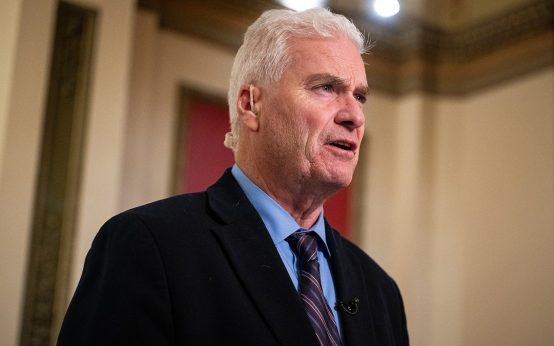 Political Strategies for the Upcoming Midterm Elections
  Trump Considers Diesel Export Ban Amid Rising Fuel Prices
 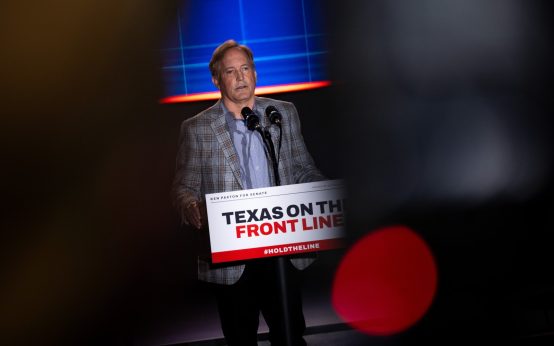 Texas Senate Race: Talarico Takes Lead in Youth Vote
 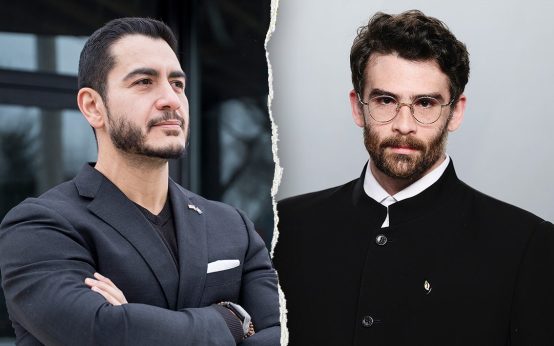 Criticism Arises Over Michigan Senate Nominee’s Association with Streamer
  Homeland Security Takes Action Against Voter Fraud
  Iowa Senate Election: Turek Leads in Polls Amid Economic Concerns