Background on the Settlement
Tribes have pursued a settlement to resolve the largest outstanding claim to the Colorado River. This effort aims to provide billions of dollars for water infrastructure. However, Upper Basin states—Colorado, New Mexico, Utah, and Wyoming—are resisting the deal. Their opposition stems from concerns about the Navajo and Hopi leasing water outside their reservations.
Historical Context
It’s been 118 years since the Supreme Court recognized tribes’ entitlement to water. Despite this, many tribes continue their struggle to secure these rights. A current deal strives to bring Colorado River water to northern Arizona, where a significant portion of homes lacks running water. Neighboring states block the deal, embroiled in a broader conflict over the river’s allocation.
The Stalemate
Negotiations have produced the largest tribal water rights settlement in U.S. history. The settlement sought to benefit the Navajo Nation, Hopi Tribe, and San Juan Southern Paiute Tribe. It was close to realization before Upper Basin states raised objections. These states argue the settlement might affect their rights and interests in the Colorado River water.
“We have significant unresolved concerns with the legislation that may affect each of our states’ rights to and interests in Colorado River water,” negotiators for Utah and Wyoming declared in March.
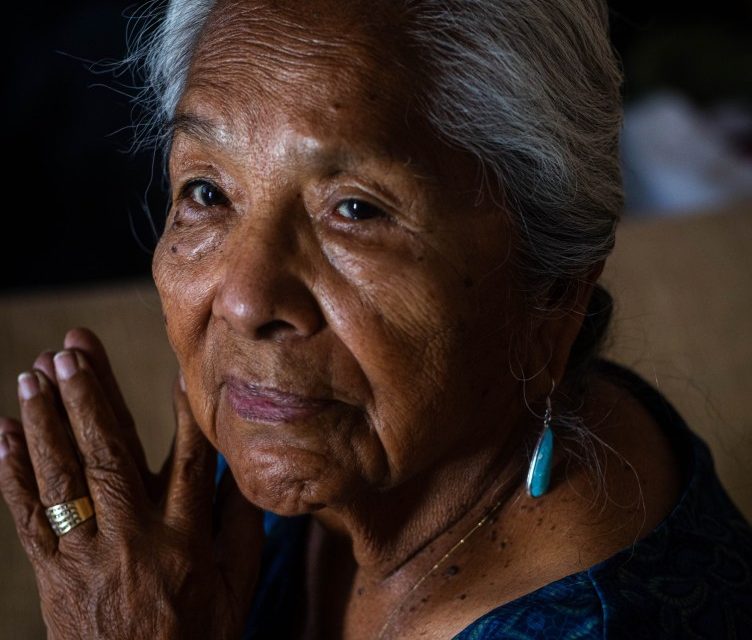
The stalemate impacts communities like the Hopi village of Mishongnovi. There, 83-year-old Marilyn Tewa endures a life devoid of running water. The settlement includes provisions to finally address longstanding infrastructure needs.
Implications and Challenges
If enacted, the Northeastern Arizona Indian Water Rights Settlement Act would resolve the largest claim on the river. It aims to allocate about $5 billion to develop necessary systems for water distribution across the reservations. Yet, the Upper Basin states focus on lease provisions as contentious points.
The opposition revolves around leasing rights. States fear that tribal water might become part of open-market transactions, potentially leading to large-scale sales to thirsty cities like Los Angeles, Phoenix, and Las Vegas.
Efforts to mitigate these concerns include tribal concessions regarding water volume and leasing duration. Nevertheless, opposition persists. The Upper Basin’s refusal to compromise stalls progress on major infrastructure developments.
Personal Impact
Tewa’s family treks miles to haul water in buckets from a livestock well. The broader Native American communities anticipate that the awaited settlement would usher new life to aquifers, replenish springs, and sustain cultural practices.
The Fight for Rights
Despite having senior water rights, tribes struggle to access their entitlement. The complexity lies in overlapping claims and historical exclusions from key agreements.
Ethel Branch, a former Navajo attorney general, highlights, “Everybody’s getting free Navajo, Hopi and San Juan Southern Paiute water right now.”
Recognition of tribal rights has been arduous, necessitating Supreme Court interventions. Legal challenges have thwarted speedy resolutions, forcing tribes to repeatedly seek justice.
Negotiation Roadblocks
Complicating matters, the Navajo, Hopi, and San Juan Southern Paiute have historically faced inter-tribal and state disputes. The effort has coalesced into a collective tribal stance.
Negotiations face setbacks from partisan resistance and political hesitancy to champion tribal settlements. Progress remains limited as more settlements await Congressional approval.
Prospects and Hopes
Heather Tanana, assistant professor at the University of Denver, remarks, “It’s a fundamental human rights issue.”
While negotiations persist, tribes emphasize the urgency of infrastructure improvements. They desire sustainable economies and improved public health through secure water access.
Future generations of tribal communities hinge on resolving these disputes. Tribal leaders envision a time when settlements substantiate infrastructure and secure cultural and physical vitality.
Tewa voices aspirations for a settlement that ensures lasting access to life-sustaining resources. As tribal negotiators continue their plea, the essence of water as a life force remains evident.
 American Public Opinion on Press Freedom
  Media Lawsuit Against Trump Administration for White House Ban
  The Cost of Challenging Beijing
  Analyzing Midterm Elections and Party Dynamics
  Allan Lichtman’s Framework for Assessing Presidential Greatness
  Florida Senate Race Tightens as Recent Polls Show Dead Heat